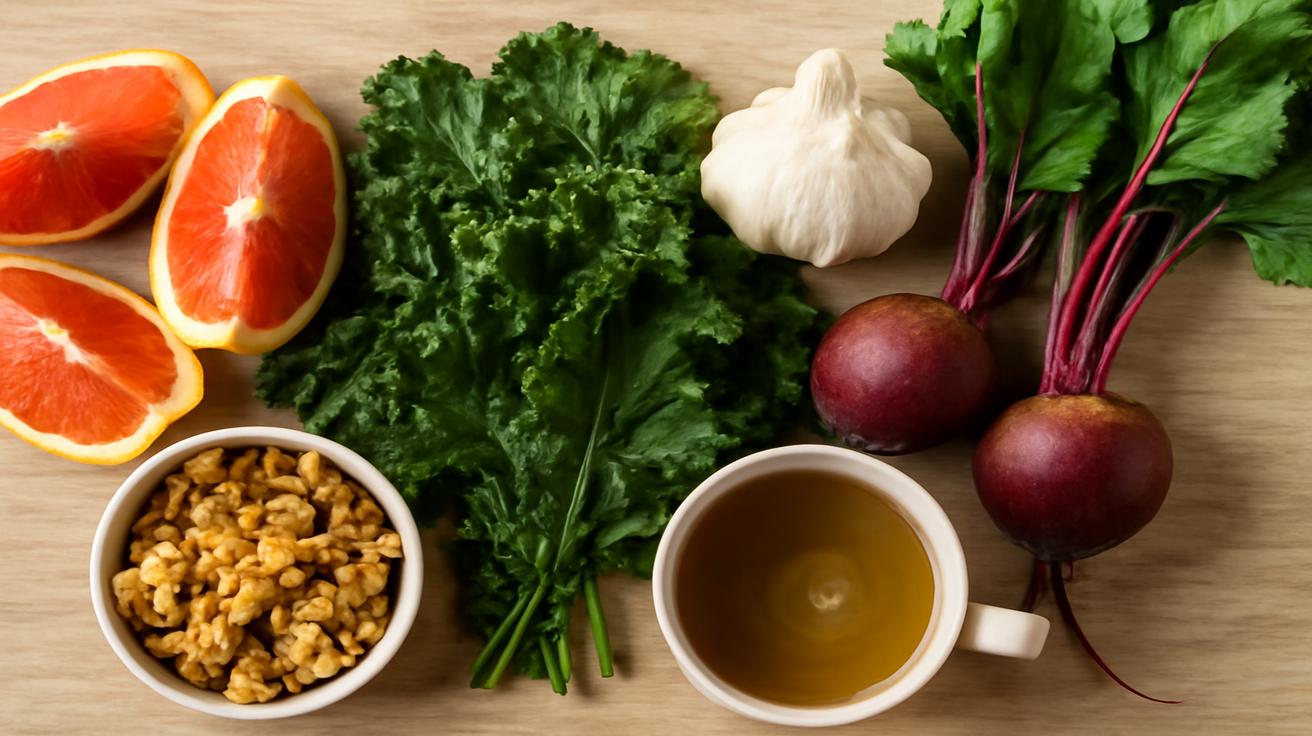
The first time you notice your liver speaking to you, it probably doesn’t sound like much. Maybe it’s a dull heaviness under your right rib after a string of late nights. Maybe it’s the way you suddenly feel thick and foggy after a meal that used to sit just fine. You don’t see your liver the way you see your skin or your eyes, but it’s there—quietly sifting, sorting, cleansing, like a river running under the floorboards of your life. And when that river slows or clogs, everything starts to feel a little less bright, a little less electric. The good news? Nature has been dropping remedies at our feet for as long as there have been humans, and many of the most powerful allies are sitting right on your kitchen counter or waiting for you in the produce aisle.
The Liver: Your Silent, Overworked Housekeeper
Imagine living with the most dedicated housekeeper in the world. They never sleep, never complain, never ask for a raise. They quietly sweep up the chemical crumbs of your life—alcohol, pollution, food additives, medications, stress hormones—storing some, transforming others, sending the rest out through the back door in your sweat, urine, and stool.
That’s your liver.
It filters your blood around the clock, helps balance hormones, converts nutrients into usable forms, and packages up toxins so your body can let them go. You can overload it, insult it, even ignore it—and it will just keep working, until one day it begins to whisper back with symptoms: fatigue, brain fog, bloating, dark circles under the eyes, itchy skin, stubborn weight gain around the middle.
“Detox” trends come and go with every season, promising miracles in a bottle or three days of juice. But your liver doesn’t need a fad. It needs support. Gentle, daily, steady support in the form of foods that have evolved alongside our own bodies: roots, leaves, seeds, fruits, and the quiet chemistry they carry. Instead of punishing cleanses or extreme fasts, these foods work like turning up the current of that underground river, letting it run clearer, more freely, more effectively.
The Quiet Chemistry of Liver-Loving Foods
There’s a kind of magic in the bitter, pungent, and brightly colored foods that most modern diets have pushed to the side. Beneath their flavors are molecules that nudge your liver enzymes into action, boost antioxidant defenses, and help your body transform fat-soluble toxins into water-soluble forms that can actually leave.
Think of cruciferous vegetables—broccoli, kale, Brussels sprouts—as the mechanics of the detox world. Inside those tightly packed leaves and florets live sulfur-containing compounds called glucosinolates. When you chew them, you’re basically flipping tiny molecular switches: these compounds break down into substances that support both Phase I and Phase II liver detox pathways, the two-step process your body uses to transform and escort toxins out.
Then there are the citrus fruits—lemons, limes, grapefruits—that can make a glass of water suddenly feel like a small ceremony. Their bright skins and tart juices offer vitamin C and plant compounds that help restore glutathione, a major antioxidant used heavily by the liver. Add in garlic and onions, quietly powerful in your skillet, and you’ve got more sulfur allies to help the liver bind and remove waste.
Instead of thinking about “detox” as a sudden, dramatic event, imagine it as giving your liver a daily language it understands—bitter, sour, pungent, fiber-rich—so it can do what it already knows how to do, but with less struggle and more ease.
Everyday Foods That Help Cleanse Your Liver Naturally
You don’t need rare herbs or expensive powders to begin. Many of the best liver-supporting foods are the ones you already know, hiding in plain sight in your fridge, garden, or local market. The key is to bring them into your life consistently, the way you’d water a houseplant: a little, often, and with care.
1. Leafy Greens & Bitter Herbs
Take a moment and picture a bowl of deep green leaves—kale, arugula, dandelion, spinach, chicory, rocket—glossed with olive oil and lemon. There’s a reason these flavors wake up your tongue. Bitterness is one of the oldest signals between humans and plants. On a physiological level, bitter compounds stimulate digestive juices: saliva, stomach acid, bile. Bile is produced by your liver and stored in your gallbladder; it helps break down fats and escorts certain toxins out of your body via the intestines.
When you eat bitter greens, you nudge your liver to produce and release bile more effectively. More bile flow means less stagnation—both in your digestion and in your liver itself. Dandelion greens and arugula are particularly well-known in traditional herbal medicine for supporting the liver. They’re not just salad; they’re signals.
A few easy ways to invite them in:
- Toss a handful of arugula or dandelion greens into mixed salads.
- Blend spinach or kale into smoothies with a squeeze of lemon to mellow the bitterness.
- Lightly sauté mixed greens with garlic and a splash of apple cider vinegar as a side dish.
2. Cruciferous Vegetables: The Sulfur Powerhouses
Broccoli steaming gently on the stove. Roasted Brussels sprouts caramelizing at the edges. A raw cabbage slaw, purple and green and crisp. These aren’t just side dishes—they’re daily liver tonics.
Cruciferous vegetables (broccoli, cauliflower, cabbage, Brussels sprouts, kale, bok choy, radishes) carry compounds that help your liver convert potentially harmful substances into forms that are easier to move out. They support both detox phases, which is crucial because ramping up Phase I without Phase II is like opening all the boxes in your attic without having any trash bags ready. Crucifers help make sure the “trash bags” are waiting.
There’s also a beautiful, simple ritual in preparing them: chopping, rinsing, lightly steaming. Giving them a little crunch but not cooking them into oblivion preserves their helpful compounds. A few bites at most meals can make a quiet, steady difference over time.
3. Citrus Fruits & Lemon Water Rituals
There’s a reason the idea of “warm lemon water in the morning” has become almost cliché—it works, not as a miracle cure, but as a gentle daily nudge. The scent of a freshly cut lemon alone can feel cleansing, sharp, and awake.
Lemons, limes, oranges, and grapefruits are rich in vitamin C and flavonoids. These support glutathione levels and overall antioxidant capacity in the liver. When you drink water with lemon, you’re doing a few simple but important things at once: hydrating (crucial for detox), gently waking up your digestion, and delivering a small but meaningful amount of liver-friendly compounds.
Try making it a quiet morning ritual instead of a chore:
- Slice half a lemon and drop it into warm (not boiling) water.
- Sit for a moment while it cools enough to sip.
- Drink slowly, before coffee or breakfast if possible.
It’s not a “cleanse” in the extreme sense—it’s more like a sunrise for your liver, every day.
4. Garlic, Onions, and All Things Pungent
When garlic hits a hot pan, something primal wakes up in the kitchen. The aroma is rich, sharp, comforting. Behind that smell is a class of sulfur compounds that help your liver with one of its hardest jobs: binding and transforming toxins so they can be safely carried out of your system.
Garlic and onions, along with leeks, shallots, and chives, contain allicin and related compounds that support antioxidant defenses, reduce inflammation, and encourage detox enzymes. They are everyday culinary ingredients that act like quiet bodyguards for your liver.
The best part: they’re incredibly easy to add without thinking in terms of “health food.” Sauté onions as the base of soups and stews, crush a clove of raw garlic into salad dressings, roast whole heads of garlic until they’re soft and spreadable and smear them onto warm bread or vegetables. Each time you do, you’re weaving liver support directly into your normal meals.
5. Beets, Turmeric, and Other Colorful Allies
Color is often a clue to a food’s inner chemistry. The deep magenta of beets, the golden glow of turmeric, the dark blues and purples of berries—they all signal the presence of compounds that help your body cope with stress and waste.
Beets contain betalains, pigments that have been studied for their antioxidant and anti-inflammatory effects. They may help support bile flow and protect liver cells from damage. Roasted, grated into salads, or blended into smoothies, beets quietly nourish the liver’s natural cleansing rhythm.
Turmeric, a root often found in bright powdered form, contains curcumin, which has been widely explored for its ability to dampen inflammation and support liver function. Combined with a bit of black pepper and healthy fat (like olive or coconut oil), curcumin becomes more bioavailable and can more easily slip into your body’s inner conversations.
Think of a simple golden milk in the evening—warm plant or dairy milk simmered gently with turmeric, black pepper, maybe ginger and cinnamon—as both comfort and gentle care for the organ that works late into the night.
How These Foods Support Your Liver in Real Life
It can be tempting to think about liver cleansing only in biochemical terms—glutathione, Phase II conjugation, free radicals. But the real story shows up in how you feel moving through your day. The foods that support your liver do so by tending to small, practical needs of your body, moment to moment.
Fiber, for example, is an unsung hero. When your liver packages certain toxins into bile and sends that bile into your intestines, fiber acts like a spongey escort, helping move that bile out through your stool. Without enough fiber, some of that bile—and the compounds it carries—can be reabsorbed, cycling back into your system like dirty dishwater being poured back into the sink.
Many liver-friendly foods—leafy greens, cruciferous vegetables, beets, citrus, berries—are naturally rich in fiber. They help the final leg of detox along: the actual exit. Likewise, healthy fats from foods like avocados, nuts, seeds, and olive oil can support the production and flow of bile, while overly processed fats and heavy fried foods can stagnate it.
Then there’s the simple but powerful act of staying hydrated. Water is the river that carries everything away once the liver has done its sorting. Without enough of it, even the best detox processes slow to a sludge. Citrus water, herbal teas, and broths all help here, turning hydration into a sensory experience rather than a chore.
Over time, as these foods become regular visitors at your table, people often notice small shifts: less bloating, clearer skin, steadier energy across the day, a feeling of lightness after meals instead of heaviness. It’s not overnight magic. It’s your liver finally getting the steady support it’s been quietly asking for.
Bringing Liver-Cleansing Foods Into Your Day
The most effective “cleanse” isn’t a dramatic three-day event; it’s what you eat, sip, and snack on most days of your life. That might sound less exciting, but it’s far more powerful—and far kinder to your body.
One helpful way to think about it is to build your day around a few non-negotiables: a bitter green, a cruciferous vegetable, a source of sulfur (like garlic or onions), a brightly colored fruit or root, and plenty of water. You don’t have to be perfect; you just have to be consistent.
Here’s a simple, mobile-friendly table to help you visualize how these foods can fit into real meals:
| Time of Day | Liver-Supporting Foods | Simple Ideas |
|---|---|---|
| Morning | Lemon, warm water, berries, leafy greens | Warm lemon water; smoothie with spinach, berries, and a spoon of ground flaxseed. |
| Midday | Cruciferous veggies, garlic, onions, olive oil | Mixed green salad with arugula, shredded cabbage, broccoli, onion, and garlic-lemon dressing. |
| Snack | Citrus fruit, nuts, seeds | Orange or grapefruit segments with a handful of walnuts or pumpkin seeds. |
| Evening | Beets, turmeric, leafy greens, herbs | Roasted beets and Brussels sprouts with garlic; side of sautéed greens; optional turmeric tea after dinner. |
You don’t need every single food every single day. But if your week is dotted with colors and flavors from this list, your liver is quietly getting what it needs.
Alongside adding these foods, it helps to gently crowd out the things that tire the liver: excessive alcohol, heavily processed snacks, sugary drinks, and deep-fried meals. Think of it not as restriction, but as making room. Each time you swap a soda for citrus-infused water or choose roasted vegetables over fries, you’re giving your liver a small sigh of relief.
Listening to Your Liver, Day by Day
Your liver may never send you a thank-you note, but your body will. It might show up as waking a little clearer in the morning, digesting meals with less drama, or feeling more stable in your moods and energy. It may show in your skin, your sleep, your sense of lightness moving through the day.
Real liver cleansing isn’t about punishment or extreme measures. It’s about collaborating with the part of you that already knows how to protect you—and simply needs the right raw materials. A handful of bitter greens, a squeeze of lemon, the scent of garlic in the pan, the deep red of beets on your cutting board: these are small, sensory rituals that add up to profound inner housekeeping.
Every time you choose these foods, you’re voting for a clearer river beneath your life, one that can carry away what you no longer need and leave you more present for what you do.
Frequently Asked Questions About Foods That Cleanse the Liver
1. Do I need a strict “detox” diet to cleanse my liver?
No. Your liver is cleansing you all the time without a special detox diet. Extreme cleanses can sometimes stress the body. A steady pattern of liver-supporting foods, good hydration, movement, and enough sleep is usually more effective and sustainable than short, intense programs.
2. Is lemon water alone enough to detox my liver?
Lemon water is helpful—mainly for hydration and gentle antioxidant support—but it’s not a complete solution by itself. Think of it as one small tool in a larger toolkit that includes leafy greens, cruciferous veggies, fiber, healthy fats, and minimizing heavily processed foods and excess alcohol.
3. How often should I eat liver-supporting foods?
Daily, if possible. They don’t need to be complicated or fancy. A serving or two of leafy greens, some cruciferous vegetables several times a week, garlic and onions in regular cooking, and a rotation of citrus, beets, berries, and turmeric can all fit easily into normal meals.
4. Can these foods reverse serious liver disease?
Liver-friendly foods can support liver health and may help slow or improve mild dysfunction, but they are not a cure for serious conditions like advanced fatty liver disease, cirrhosis, or hepatitis. If you have diagnosed liver disease, you should work closely with a healthcare professional. Food can be part of your care, not a replacement for medical advice.
5. Are there people who should be cautious with these foods?
Yes. If you have gallstones, certain bile duct issues, or specific medical conditions, large amounts of very bitter or bile-stimulating foods (like strong dandelion preparations) may cause discomfort. Grapefruit can interact with some medications. Always check with your healthcare provider if you take medications or have existing health issues before making big changes to your diet.
6. Do I need supplements like milk thistle if I eat these foods?
Not necessarily. Many people can support their liver very effectively with whole foods alone. Herbal supplements like milk thistle may offer additional benefits for some, but they should be used thoughtfully and preferably under the guidance of a practitioner, especially if you’re on medications or have liver disease.
7. How long does it take to feel a difference after changing my diet?
Some people notice shifts—like better digestion or more stable energy—within a week or two of eating more liver-supportive foods and cutting back on heavy, processed options. Deeper changes, like improvements in blood markers or fatty liver, usually take months of consistent habits. Think of it as a long conversation with your body, not a one-time event.