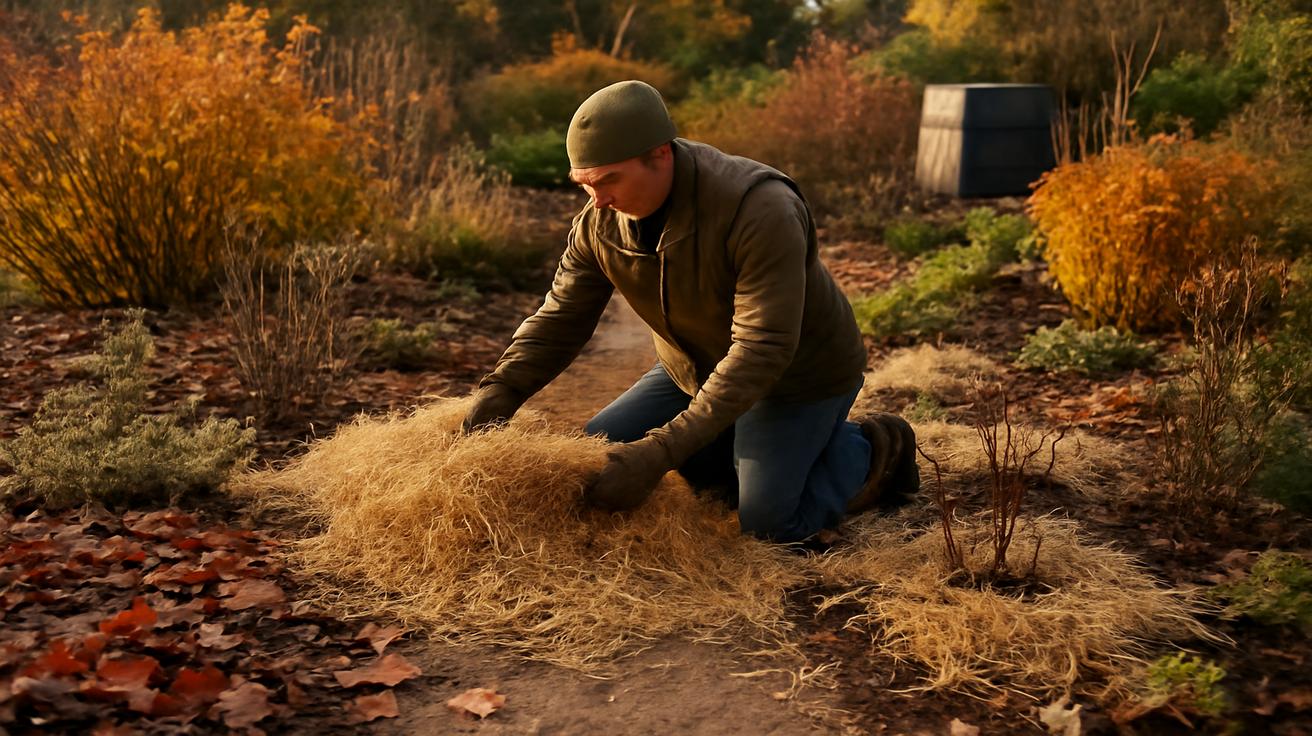
The first cold night always arrives quietly. You wake to a silver film of frost over the lawn, the air thinner, sharper, smelling faintly of smoke and damp leaves. In the garden, the last dahlias slump like tired dancers after a long season, and the tomato vines hang with the papery remains of what was, only weeks ago, an exuberant jungle. This is the moment many people close the back door, shrug, and say, “Well, that’s it until spring.” But this season—the in-between, the cooling-down, the golden-fade of autumn—is where next year’s garden is quietly decided. The work you do now, when the soil is still workable and the sun still has a little warmth left, can mean the difference between a struggling spring and a garden that seems to leap out of winter with impossible energy.
The Soft Sigh Of The Soil: Why Autumn Care Matters
Walk across your yard in early autumn and listen. Under your boots, the soil has a certain give to it, still loose from summer’s heat and the roots that have been threading silently through it for months. By late winter, that same ground will be dense, compacted by rain, snow, and the freeze–thaw dance that squeezes the air out of soil like a sponge.
Plants heading into this cold season are a lot like athletes before a long race. They don’t simply stop when the weather cools—they shift. Above ground, leaves yellow and drop, stems stiffen, flowers give way to seedheads that rattle dryly in the wind. Underground, though, roots are still busy: slowing down, storing energy, building resilience.
Autumn care is, in many ways, root care. It’s about making sure the hidden half of your plants has what it needs to sleep well and wake up strong. You’re not forcing growth now; you’re cushioning, protecting, and gently guiding the garden into rest. Mulch becomes a warm blanket, good drainage a dry, safe mattress, and a few thoughtful chores a kind of tucked-in bedtime ritual.
Many gardeners underestimate how much the end of the season shapes the beginning of the next. Cut corners now, and you’ll see it: perennials that heave out of the soil, bulbs that rot before they bloom, shrubs that die back more than they should. But treat autumn as a quiet collaboration with the coming year, and you’ll notice something different—less winter damage, fewer spring losses, and a garden that feels somehow readier, as if it’s been listening to your care all along.
The Art Of Mulching: A Winter Quilt For Your Garden
Choosing The Right Mulch For Autumn Protection
Stand in a garden center in October, and the bags of mulch all start to blur together: bark chips, shredded hardwood, straw, compost, pine needles. It can feel like a guessing game, but each type of mulch carries its own texture, smell, and use—each one a slightly different kind of winter quilt for your beds.
In autumn, your goal is less about weed suppression and more about temperature and moisture regulation. You want a mulch that breathes but insulates, that slowly enriches the soil without smothering it. Think of it as creating a forest floor mimic, that soft, layered carpet of leaves and organic matter you find under old trees.
| Mulch Type | Best For | Key Benefits |
|---|---|---|
| Shredded Leaves | Perennial beds, borders, bulbs | Free, nutrient-rich, mimics natural forest floor |
| Wood Chips / Bark | Around trees, shrubs, pathways | Long-lasting, good weed control, tidy look |
| Straw (not hay) | Vegetable beds, garlic, strawberries | Lightweight, great winter insulation, breaks down gradually |
| Compost | Everywhere, especially hungry soils | Feeds soil life, improves structure, gentle nutrient boost |
Shredded leaves may be the unsung hero of autumn mulching. As you rake, instead of stuffing bags for the curb, run a mower over the piles. The shredded pieces knit together lightly, allowing air and water to pass through while still forming a buffer against temperature swings. They smell faintly sweet and earthy, like the woods after rain.
How Thick Is “Just Right” For Mulch?
There’s a temptation to pile mulch high, as if thicker always means warmer. But plants, like people, don’t like to be smothered. Too much mulch can create soggy conditions around stems and crowns, inviting rot and fungal diseases. Too little, and it won’t do much more than look decorative.
For most perennials and flower beds, a layer about 5–7 cm (2–3 inches) is ideal. Around shrubs and trees, you can go up to 7–10 cm (3–4 inches), as long as you keep the mulch away from the trunk itself—no “mulch volcanoes” swallowing your trees. Leave a small ring of bare soil right around the base, like a shallow moat.
Bulb beds benefit from a similar 5–7 cm layer, especially in colder climates where freeze–thaw cycles can push bulbs upward. Garlic, planted in autumn, loves being tucked under a light blanket of straw: airy, insulating, and easy to push through in spring.
As you spread mulch, notice the subtle sound of it falling—soft, papery, a muffled rustle over the sharper clink of bare soil. This is the sound of your garden exhaling, of the season turning a page.
Water, Ice, And Air: Getting Drainage Right Before The Freeze
Why Autumn Drainage Can Make Or Break Your Plants
If mulch is the warm blanket, drainage is the dry bed underneath it. A thick duvet doesn’t help much if you’re lying in a puddle, and plants feel the same way. Many of the most heartbreaking winter losses in the garden don’t come from cold alone; they come from roots trapped in cold, wet soil, starved of oxygen and slowly rotting.
Autumn can be deceiving. A few rainy days, a heavy storm, and you see temporary puddles, assuming they’ll sort themselves out. But where water stands in October, ice will sit in January. That water expands as it freezes, crushing delicate root tips and tearing at soil structure. When it thaws and refreezes over and over, it can physically push plants out of the ground, leaving crowns and roots exposed to harsh air.
Walk your garden after a rain. Where does the water linger? Are there low spots that stay slick and shiny long after the rest of the yard has dried? Do you notice plantings where the soil feels sticky and dense, clinging to your boots, while other spots crumble loosely in your hands?
Simple Autumn Fixes For Better Drainage
Not every drainage issue can be completely solved in one season, but autumn is the perfect time to make meaningful improvements. The soil is still workable, roots are starting to slow, and you can disturb the ground without derailing active growth.
- Loosen compacted soil: In beds that have been walked on or repeatedly planted, gently fork the soil—not turning it over, but lifting and loosening it. You’ll hear the quiet crackle as clods break apart, making more space for air and water to move.
- Add organic matter: Mix in compost or well-rotted manure where drainage is poor. Organic matter works like a sponge and a sieve at once: holding moisture in dry spells, letting excess drain away in wet ones.
- Create subtle slopes: In very flat gardens, a barely-visible tilt away from buildings or from the center of beds can guide water to where it can soak in safely.
- Raise sensitive plants: For herbs, Mediterranean plants, or anything that hates “wet feet” in winter, slightly raise their planting area into a low mound or a well-draining raised bed.
If you have containers, drainage is even more crucial. Check those drainage holes—roots may have curled across them, or soil may have compacted into a tight plug. Gently tease out the base of the root ball if it’s become a mat, and refresh a portion of the potting mix. Set containers on pot feet, bricks, or even old tiles to raise them off a solid patio so water can escape freely.
In the hush of an autumn afternoon, as you press the fork into soil and feel it yield, you’re not just “fixing drainage.” You’re giving roots room to breathe in the long months when everything appears still.
Gentle Goodbyes: Pruning, Cleaning, And Protecting
What To Cut Back—And What To Leave
Autumn invites a certain tidying instinct. The garden looks frazzled and spent, stems browned, petals scattered, leaves flopped over like exhausted umbrellas. But the urge to cut everything down to neat little stubs can be at odds with your garden’s quiet winter ecology.
Some plants definitely appreciate a trim. Diseased foliage—spotted leaves, mildewed stems, blighted bits—should go, and it shouldn’t go into the compost pile. Clearing it away prevents disease from lingering in the soil or on plant debris to reappear in spring.
Spent vegetable plants that are clearly done (those slimy tomato vines, for instance) should also be pulled, chopped, and composted if healthy. Leaving them in place all winter can harbor pests and fungal spores.
But not everything needs such a dramatic haircut. Many perennials benefit from leaving their dried stems and seed heads standing through winter. Echinacea, rudbeckia, sedum, ornamental grasses—all of these provide structure against snow, catch frost in sparkling patterns, and offer seeds and shelter to birds and beneficial insects. The garden becomes less a blank slate and more a muted, sculptural landscape.
The Quiet Ritual Of Autumn Cleanup
Autumn cleanup isn’t just about what you remove; it’s about what you notice. As you move through the beds with secateurs in hand, you see which plants thrived, which struggled, which corners of the garden felt starved for light or choked with weeds.
- Clear around crowns: For perennials prone to rot, gently move away soggy debris from their centers before mulching, so air can still reach the crown.
- Sanitize tools: Wipe pruners with alcohol between diseased plants and healthy ones to avoid spreading problems.
- Empty and clean pots: Any containers you’re not overwintering with plants inside should be emptied, brushed out, and stored dry to prevent cracking.
- Protect vulnerable plants: Wrap the base of young trees with a breathable guard to prevent winter sunscald and hungry rodents gnawing at bark.
As you prune and clear, the garden shifts from unruly to intentional. Not bare, not stripped, but edited—like a story moving into its final, quiet chapters for the year.
Feeding For The Future: Autumn Nutrition And Root Health
When And How To Feed Autumn Plants
Many gardeners reach for fertilizers in spring, when green growth feels most urgent. But autumn is actually one of the best moments to nourish your soil and, indirectly, your plants. The key is to feed the soil, not push new top growth that tender stems can’t sustain through frost.
High-nitrogen fertilizers, the kind that make leaves explode in lush green, are generally not what you want now. Instead, think slow, gentle, and underground. Compost, leaf mold, and well-rotted manure don’t shout; they whisper. They break down gradually over winter, becoming part of the soil matrix just in time for spring roots to find them.
Sprinkling a 2–3 cm (about 1 inch) layer of compost over beds before mulching can do wonders. You don’t have to dig it in; the worms and micro-life will do that for you. As autumn rains soften the surface, microbes wake up to one last feast before winter slows them, weaving nutrients into forms plants can use later.
For lawns, an autumn-specific fertilizer with lower nitrogen and higher potassium can help strengthen roots and improve winter hardiness. Imagine it as fortifying the foundation rather than painting the walls.
Root Care For Perennials, Shrubs, And New Plantings
If you’ve planted new trees or shrubs this year, autumn is a crucial time to support their root systems. They may look still above ground, but underground, they are busy anchoring themselves into their new home.
- Water deeply before the ground freezes: Especially for evergreens and newly planted trees, give them a thorough soaking in late autumn. Moist—not waterlogged—soil freezes more evenly and helps prevent winter desiccation.
- Mulch the root zone: Extend mulch out to the drip line (the outer circumference of the branches) for larger shrubs and trees. This is where many fine roots live and feed.
- Skip heavy feeds: For new plantings, focus on gentle organic amendments instead of strong chemical fertilizers. You want root exploration, not a flush of weak, leggy growth.
Kneel beside a favorite shrub, press your hand into the mulch and soil, and feel the lingering warmth. Underneath, roots are quietly adjusting to the cooling world, counting on the protection and nourishment you’ve just given them.
Designing A Garden That Wakes Up Ready
Thinking Ahead While The Leaves Are Falling
Autumn is a forgiving time to rethink and refine your garden. The failures of the season are still fresh, but so are the memories of what worked. As you move mulch, adjust drainage, and tuck plants in, you’re also sketching next year’s story.
Maybe you notice that a section near the fence stayed stubbornly wet all summer, and now again in autumn. That might become a bog garden, a home for moisture-loving plants that will thrive where others sulked. Perhaps a sunny bed near the kitchen was a joy to harvest from, but lacked structure in winter; this is a perfect place to introduce a few evergreen anchors or grasses that catch the light in colder months.
Autumn planting of certain perennials, shrubs, and trees can actually give them a head start. The soil is warm, the air cooler—less stress on top, more comfort below. Roots grow quietly well into late autumn, sometimes even early winter, long after leaves have dropped.
As you plant, mulch, and adjust, you’re not just doing chores. You’re shaping the early chapters of next year’s garden, giving it the conditions it needs to flourish without asking it to sprint before it’s ready.
Frequently Asked Questions
How late in autumn can I mulch my garden?
You can mulch right up until the ground begins to freeze. In fact, waiting until the soil has cooled slightly (but not frozen) can help lock in the current soil temperature and moisture, reducing freeze–thaw fluctuations.
Should I remove old mulch before adding new in autumn?
Only if the old mulch has become compacted, moldy, or too thick. Otherwise, you can gently loosen it with your hands or a rake and top up with a fresh layer to reach the desired depth of about 5–7 cm (2–3 inches).
Is it better to cut perennials to the ground or leave them over winter?
It depends on the plant. Diseased or pest-ridden foliage should be removed. Otherwise, many perennials benefit from being left standing: they protect crowns, provide wildlife habitat, and add winter interest. You can cut them back in late winter or early spring.
How do I know if my soil has poor drainage?
After a good rain, observe how long water sits on the surface. If puddles remain for more than a few hours, or if the soil feels sticky and dense days later, you likely have drainage issues. You can also do a simple test by digging a small hole, filling it with water, and timing how quickly it drains.
Do all plants need mulch in autumn?
Not all, but most benefit from it. Shallow-rooted perennials, newly planted shrubs and trees, and bulbs gain the most from autumn mulching. Very drought-tolerant or Mediterranean plants may prefer a lighter touch, especially in already heavy or wet soils.
Can I use fresh grass clippings as mulch in autumn?
Fresh grass clippings are best composted first. Used straight, they can mat down, become slimy, and restrict airflow. Once partially decomposed and mixed with other materials, they make a fine contribution to autumn mulch.
How often should I water in late autumn?
As temperatures drop, plants need less frequent watering, but it’s important not to let the soil dry out completely before the ground freezes. Check moisture with your fingers; if the top few centimeters are dry and there’s no rain coming, give beds a deep watering, especially around new plantings and evergreens.
Is autumn a good time to plant new trees and shrubs?
Yes, in many climates autumn is an excellent time. The soil is still warm enough for roots to grow, while cooler air reduces stress on the top growth. Just be sure to water regularly until the ground freezes and add mulch over the root zone.
What should I do with fallen leaves?
Instead of bagging them up, shred them with a mower and use them as mulch or add them to your compost. Whole leaves can be used too, but shredded leaves break down faster and are less likely to mat and form a barrier.
Will mulching attract pests during winter?
A reasonable layer of mulch (not piled against stems or trunks) is unlikely to cause major pest issues and actually benefits beneficial insects. Avoid very thick, dense layers right up against woody stems, which can create cozy hiding places for rodents.
As autumn deepens and the light thins, the garden grows quieter but no less alive. Each handful of mulch, each fork of loosened soil, each thoughtful pruning cut is a small promise you make to the coming year. When spring finally arrives and young shoots push confidently through the warming ground, you’ll see those promises kept—in the vigor of your plants, in the health of your soil, in the sense that your garden didn’t just survive winter. It prepared for what comes next, with your help, in the calm, cool grace of autumn.