The first thing she noticed was the smell. Not the sharp chemical sting she’d quietly learned to brace for over the years, but the soft, earthy warmth of plants steeping in hot water—like walking into a herb garden after the rain. Steam spiraled up from the ceramic bowl as the stylist stirred the mixture: deep, mossy green with flecks of coppery brown. It didn’t look like “dye” at all. It looked like something you might drink for a sore throat, not something you’d smear into your roots. But this was the future of hair color, they said. A goodbye—finally—to traditional dye, and a hello to something gentler, kinder, and strangely… alive.
The Quiet Rebellion Against the Dye Bottle
If you’ve ever sat in a salon chair and watched your reflection slowly disappear behind foils, gloves, and plastic capes, you probably know that tiny knot of unease: What is all this doing to my hair? To my skin? To the planet? For years, the answer has been a kind of collective shrug. Greys needed covering. Looking “put together” meant no stray silver strands. And the price of that was harsh dye, itchy scalps, strong smells, and that slow, brittle dryness that crept in over time.
Now, though, something is shifting. There’s a quiet rebellion taking shape in bathrooms and boutique salons around the world. People are walking away from the traditional dye bottle—not in a dramatic, never-again kind of way, but with a calmer, more discerning curiosity. They want to look like themselves, yes. They want to feel fresh, polished, maybe even younger. But they no longer want to trade that for raw, stinging chemicals and endless maintenance that leaves their hair feeling like straw.
At first, the answer seemed to be “go natural or go grey.” Let it all grow out, embrace the silver, claim the streaks like a badge of honor. For some, that path is freeing. For others, it feels too sudden, too visible. They long for something quieter: a way to step softly into aging, not slam headfirst into it. That’s where a new wave of natural color is emerging—solutions that don’t just cover grey, but blend it, soften it, and, almost ironically, help hair look thicker, shinier, and younger in the process.
A New Kind of Color Ritual
Walk into one of the salons or home kitchens at the heart of this movement and you’ll feel it right away: the ritual is slower, more intentional. There are no clouds of ammonia in the air, no sharp whiff that catches in the back of your throat. Instead, you might find bowls of powdered botanicals, glass jars of plant infusions, and oils that smell faintly of flowers or bark. The color process has shifted from a “chemical event” to a sensory experience.
Think of ground leaves like henna, indigo, cassia, or amla being mixed with warm tea or water to create rich pastes. Think of hair being painted with soft, earthy blends that wrap each strand, adding color by coating—rather than burning—its way in. Even the waiting time feels different. Instead of sitting under a buzzing dryer, flipping through old magazines in a cloud of fumes, people sip tea, scroll, read, or simply notice the weight of the paste and the calming smell of plants doing their work.
And then there’s the hair itself. After rinsing out these natural blends, many people notice something they hadn’t expected: their hair feels stronger. Not just freshly colored, but thicker to the touch, as if each strand has been fortified instead of stripped. There’s a natural luster—not the glassy, almost plastic shine of silicone, but the soft gleam that hair used to have when it was younger and less exhausted by dye cycles.
The Subtle Art of Blending, Not Erasing
This new trend isn’t just about swapping one product for another; it’s about a different philosophy of aging. Instead of chasing total coverage—the kind that demands you race back to the salon the minute half a centimeter of grey dares to show—these methods embrace a more subtle, blended effect.
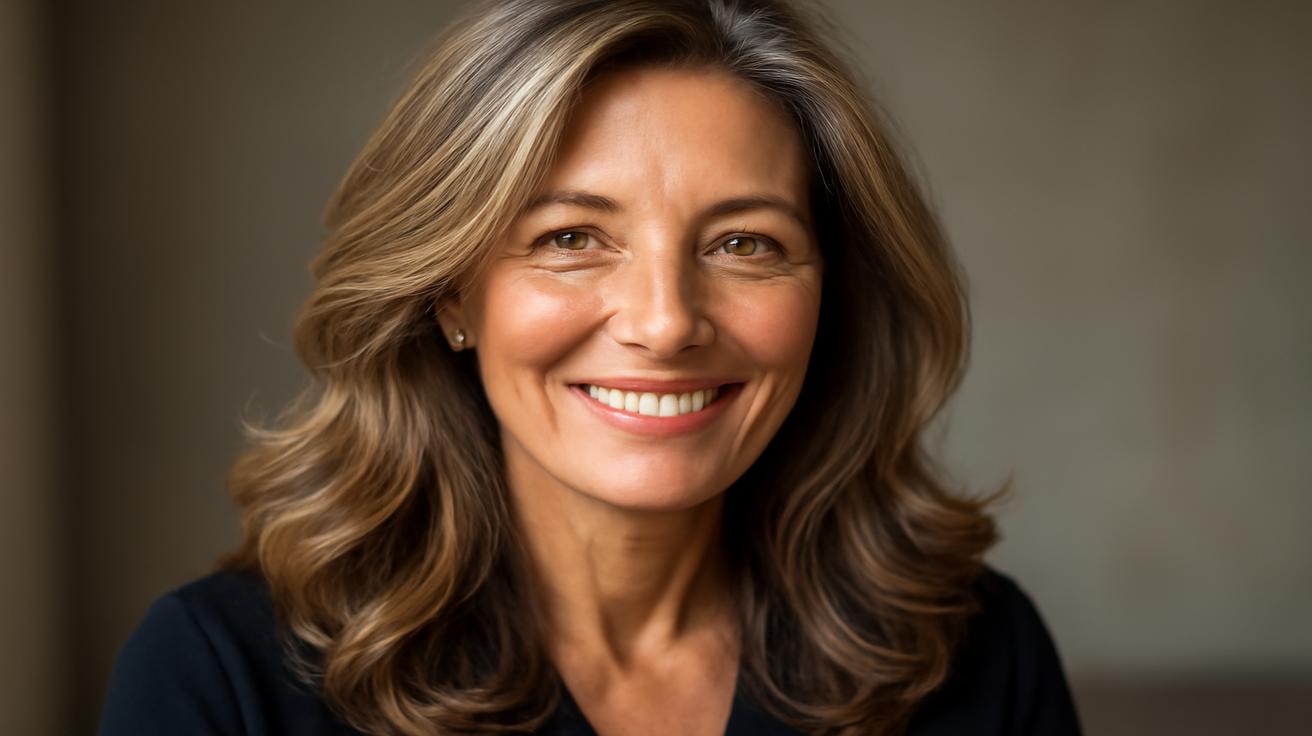
Natural dyes and plant-based blends tend to interact gently with grey hair. Rather than turning it into an opaque wall of identical color, they often create dimension—soft, sun-touched streaks instead of hard lines between “colored” and “not colored.” Greys can shift into shimmering caramels, soft chocolates, or deep coppers, depending on your base color and the plants used. On darker hair, they can soften the harsh contrast of white roots, turning them into floating highlights that catch the light rather than shout for attention.
There’s something undeniably youthful about that kind of soft variation. We forget that “young hair” isn’t actually perfect, monochrome hair; it’s hair that reflects light, changes slightly in tone through the lengths, moves with volume, and doesn’t look coated or tired. Ironically, by letting nature in the door, people are finding that they look fresher and more vibrant—less like they’re fighting time, and more like they’re finally in partnership with it.
What’s Really Changing in the Ingredients
Of course, the story here isn’t just poetic. It’s practical. Traditional hair dyes are built on synthetic color molecules and strong agents (like ammonia or related chemicals) that force the hair cuticle to open so pigment can be lodged deep inside. That’s why the color lasts—but it’s also why repeated coloring can leave hair porous, dry, and prone to breakage.
The new wave of grey-blending, youth-enhancing approaches looks different under a microscope. Many of them rely on:
- Plant pigments like henna, indigo, walnut hull, hibiscus, cassia, or black tea.
- Natural binders and conditioners such as aloe, flax gel, or plant gums.
- Botanical oils that help nourish the scalp and cuticle, from argan to jojoba to coconut.
Instead of ripping the cuticle open, these pigments tend to build up in layers, wrapping the hair shaft in translucent color. The effect is almost like slipping a tinted veil over each strand. Greys are softened and transformed, but the natural highs and lows of your base color still peek through.
It’s not a perfect world, of course. Purely natural dyes often work best within a certain range of tones—warm browns, deep auburns, cool soft blacks, and golden or strawberry hues. Achieving icy blondes or dramatic color shifts can still be tricky without conventional processes. But for many people whose main concern is softening or blending their greys while looking rested, glowy, and quietly younger, this new approach hits a sweet spot.
How People Are Actually Making the Switch
Transitioning away from years of traditional color can feel intimidating. You might imagine an awkward in-between stage where roots take on their own life. Yet many people are finding clever, low-stress ways to cross that bridge.
Some start by stretching the time between salon visits, then slip in a gentle, plant-based gloss or mask in between. Others move straight to full herbal color sessions with their stylists, who blend customized recipes that suit their skin tone and personality. At home, there are now pre-mixed, simplified options focused specifically on grey blending rather than full-opacity coverage.
Often, the real magic isn’t in the first application but in the second or third. Plant pigments tend to build over time. By the third session, the hair has a new rhythm—less dryness, more body, and a soft halo of blended tones that makes people say, “You look different, but I can’t quite tell why. Did you cut your hair? Sleep more? Fall in love?” There’s a quiet, understated glow, rather than the hard-edge “I just dyed my hair” effect.
The New Beauty of Aging Softly
Underneath the formulas and techniques, this trend whispers a deeper question: What if looking younger didn’t mean hiding every sign of age, but softening them into something beautiful?
Grey hair isn’t the enemy; the real tension lies in the contrast—the harsh root line that slices across your part, the flat, uniform box-color that doesn’t reflect the complexity of your face. When that contrast is softened, something else steps forward: your expression. Your eyes. The natural warmth of your skin.
Many people report that once they switch to a gentler, grey-blending approach, they start to make other small, kind choices for themselves. They cut their hair into shapes that feel lighter and freer, rather than styles designed solely to hide the greys. They start paying attention to scalp massage, nutrition, and stress—not because they’re chasing miracle regrowth, but because they’ve reconnected with their hair as a living part of themselves, not a canvas to be aggressively controlled.
The Sensory Difference You Can Feel
Beyond appearances, there’s a subtle but powerful change in the way hair feels. If you run your fingers through hair that’s been repeatedly lightened or dyed, you might recognize that familiar roughness—tiny snags and frays that catch on combs and fingers. After a few months of plant-based or low-tox color, that texture often shifts. Hair feels smoother, not because it’s coated in synthetic shine, but because it has fewer micro-breaks and tears. The cuticle lies a little flatter, the strands move more easily.
This has a visual effect, too. Healthy, hydrated hair tends to fall in softer lines around the face, framing it in a way that can make features look more relaxed, more open. The light catches these smoother surfaces and bounces off with quiet radiance. These are small details, but aging lives in small details—the tilt of the mouth when we’re tired, the way our hair clings to dryness or frizz. Tending to those details in a kinder, nature-aligned way has a compounding effect on how we’re seen—and how we see ourselves.
Comparing the Old and the New: A Closer Look
Sometimes it helps to see the differences laid out simply. While every product line is unique, the general contrasts between conventional permanent dyes and the emerging natural grey-blending color methods can look something like this:
| Aspect | Traditional Hair Dyes | New Natural Grey-Blending Methods |
|---|---|---|
| Main Goal | Full, opaque coverage of greys | Soft blending, dimensional greys, youthful texture |
| Core Ingredients | Synthetic dyes, ammonia or similar agents, peroxide | Plant pigments, herbal infusions, gentle natural oils |
| Effect on Hair Structure | Opens cuticle, can cause dryness and damage over time | Coats and conditions cuticle, often increases strength and shine |
| Scalp & Sensory Experience | Possible irritation, strong chemical smell | Gentler on scalp, earthy or herbal scent |
| Maintenance | Visible root line, frequent touch-ups needed | Soft regrowth, more forgiving between sessions |
| Finish & Look | Uniform color, sometimes flat or over-processed | Dimensional, natural-looking tones that reflect light |
Seeing it compacted like this makes the emotional shift easier to understand. The new approach isn’t just about aesthetics; it’s about relationship—to your hair, your body, and your sense of time. It moves hair color from a battle against aging to a conversation with it.
Listening to Your Own Hair Story
Underneath the marketing and trends, there’s a deeply personal layer to all of this. Hair is woven into our identity. The way it falls when we’re laughing, the way we push it back when we’re nervous, the way it glows (or doesn’t) in the late afternoon light—these tiny details make us recognizable to the people who love us.
Deciding to say goodbye to traditional dyes and explore natural, grey-blending color isn’t a moral decision; it’s a story decision. You’re gently editing the way your hair shows your age, not because age is shameful, but because you want the outside to match how you feel inside: alive, curious, not done yet. You might be forty-five or seventy-two or thirty and already sprouting rogue silver; what matters is that your hair feels like part of your unfolding life, not a mask held in place with chemical glue.
Some people will always prefer vivid, high-impact color. Others will go fully silver and revel in the brightness. But between those poles, a new, quietly radical middle path is emerging—one that says: Let’s keep the glow. Let’s soften the sharp lines. Let’s do it with ingredients and rituals that leave us healthier, not more depleted.
A Future Where Greys Are Not the Villain
Stand close to someone whose greys have been gently blended by plants and you’ll notice something almost paradoxical: their hair looks younger, but their presence doesn’t pretend to be younger than it is. There’s no uncanny mismatch between face and hair, no sense that something is trying too hard. Instead, there’s an easy coherence—soft color, soft lines, soft light.
In that sense, this emerging trend doesn’t kill off the grey hair story; it rehabilitates it. Greys stop being the villain you must vanquish every four weeks and become threads in a larger tapestry—muted, woven, harmonized. They’re there if you look for them, but they’re part of a composition aimed less at reversal and more at renewal.
Maybe, in ten years, we’ll look back on the era of harsh, all-or-nothing dye jobs the way we now look at over-plucked eyebrows: a phase, intense and unquestioned, until suddenly it wasn’t anymore. The future might belong to hair that tells a more nuanced story—of age, yes, but also of care, of health, of respect for what grows naturally from our own scalp.
For now, the shift is still gathering momentum, bowl by bowl, strand by strand. In small salon rooms where the air smells faintly of tea and earth. In bathrooms where people are cautiously stirring plant powders and watching the mirror with equal parts hope and curiosity. In that quiet, brave moment when someone runs a hand through their newly softened hair, notices that the sharp grey line has blurred into something gentler, and thinks: Yes. This is still me. Maybe even a little more me than before.
Frequently Asked Questions
Do natural grey-blending methods really cover grey hair?
They usually soften and blend greys rather than erase them completely. Greys often shift into warm or cool tones that match your base color, creating a more dimensional, youthful effect instead of a flat, solid wall of color.
Will my hair look younger with natural color compared to traditional dye?
Many people notice that their hair looks fuller, shinier, and less damaged after switching, which often creates an overall younger appearance. The softness of the color and improved texture can frame the face in a more flattering way.
How long does natural plant-based color last?
Longevity depends on your hair type, the plants used, and how often you wash your hair. Generally, color gradually fades rather than showing a hard line at the roots, which can make regrowth less noticeable and easier to manage.
Can I switch from chemical dye to natural methods right away?
Yes, but the transition may take a few sessions to fully harmonize old artificial pigments with new plant-based layers. Working with a stylist experienced in natural color can make the process smoother and more predictable.
Are natural hair color methods safe for sensitive scalps?
They are often gentler and more comfortable for sensitive scalps, but “natural” doesn’t guarantee zero reactions. Always do a patch test first, especially with botanicals like henna or indigo, to ensure your skin tolerates the ingredients well.
Can I still lighten my hair with natural methods?
Most plant-based systems are better at darkening or enriching tone than significantly lightening. If you’re aiming for lighter shades, especially from a dark base, you may still need some form of conventional lightening, then use natural methods to tone and blend greys.
Will I have to spend more time maintaining my color?
You might spend a bit more time on each application, but you may need touch-ups less often thanks to softer regrowth. Many people also find that the improved condition of their hair reduces the need for extra treatments and masks.