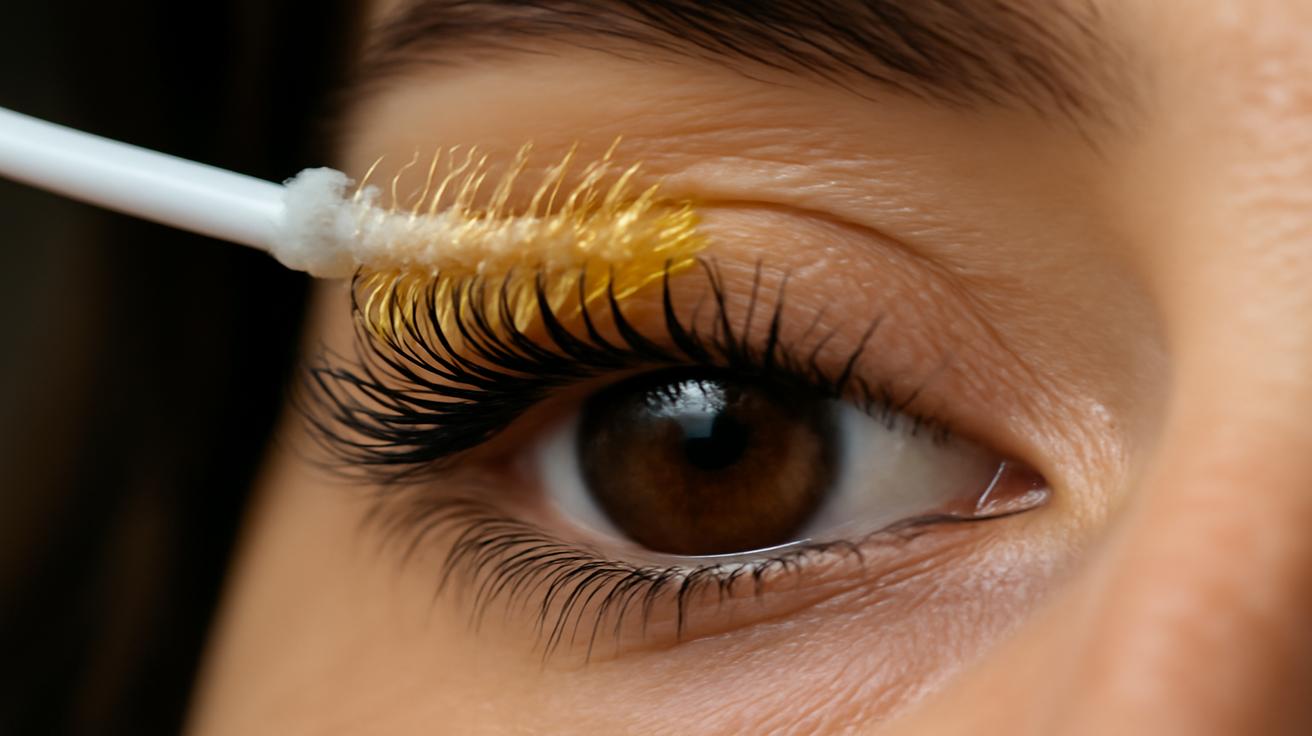
The first time I brushed castor oil onto my eyelashes, I felt a little ridiculous. The glass dropper hovered over the bathroom sink, my hands shook just enough to make me nervous, and I kept picturing myself waking up with blurry eyes and greasy pillowcases. Still, there was something almost ritualistic about it: the quiet of late evening, the scentless thickness of the oil, the way the mirror held my cautious concentration as I dragged a tiny spoolie along each fragile lash. I didn’t expect magic, but I did hope for change—some small sign that these sparse, tired lashes could remember how to be lush again, the way they were when I was young and didn’t even notice them.
The Quiet Science Behind a Glossy Little Bottle
Castor oil has that old-world feel, like something you’d find on your grandmother’s vanity next to cold cream and a worn hairbrush. Yet beneath its simple appearance is a surprisingly rich chemistry lesson. Pressed from the seeds of the castor bean plant (Ricinus communis), this thick, golden oil is loaded with ricinoleic acid—a fatty acid believed to help improve circulation around hair follicles and create a protective, nourishing environment for growth.
When you sweep a thin layer of castor oil along your lash line, you’re essentially tucking your eyelashes into a moisturizing cocoon. Lashes are just tiny hairs, after all, and like the hair on your head, they’re vulnerable to breakage, dryness, and stress. Mascara, makeup removal, lash curlers, and harsh cleansers can all chip away at their strength. Castor oil steps in as a patient caretaker: it doesn’t scream for attention, but over time, it can help them look thicker, healthier, and more resilient.
There’s another quiet truth here: no oil can override your genetics, and castor oil won’t make new follicles appear where there aren’t any. What it can do, for many people, is support the lashes they already have—coating them, conditioning them, and reducing the odds that they’ll snap and fall out before their time. Think of it less like a miracle grow potion and more like a nutrient-dense conditioner paired with a little bit of patience.
How to Choose the Right Castor Oil (Your Tiny Lash Investment)
Not all castor oils are created equal, and when you’re working around something as delicate as your eyes, quality actually matters. Stand in any beauty aisle long enough and you’ll see the words “cold-pressed,” “organic,” and “hexane-free” printed on labels with quiet insistence. Here’s what those mean when you’re choosing the oil that will live beside your toothbrush and nightly moisturizer.
| Type | What It Means | Best For |
|---|---|---|
| Cold-Pressed Castor Oil | Extracted without high heat, helping preserve nutrients and fatty acids. | Sensitive eyes, daily lash care. |
| Organic Castor Oil | From seeds grown without synthetic pesticides or fertilizers. | Anyone wanting the cleanest possible option around the eyes. |
| Jamaican Black Castor Oil | Seeds are roasted before pressing; darker, smokier, slightly thicker. | Coarser hair, brows; can be used on lashes but may feel heavy. |
| Hexane-Free | Processed without chemical solvents like hexane. | Anyone with sensitive skin or eyes; an extra reassurance for purity. |
For lashes, most people find that cold-pressed, organic, hexane-free castor oil feels gentlest and most comforting. The texture will still be thick—castor oil is naturally viscous—but it should glide rather than tug, and it shouldn’t carry any harsh scent. If you notice a strong chemical odor, or if the oil feels oddly runny, skip it. Your lashes (and eyelids) deserve something that feels simple, trustworthy, and clean.
The Nightly Ritual: Step-by-Step Lash Application
There’s something soothing about turning lash care into a small nightly ritual. Once you know the steps, it becomes almost meditative—a few quiet minutes for yourself at the end of each long day, when the house is dim and the only sound is water running and mirror cabinets closing.
1. Start with a Totally Clean Canvas
Before you even crack open the bottle, remove every trace of eye makeup. Mascara, eyeliner, eyeshadow—all of it. Any leftover product can mix with the oil and invite irritation or clogged follicles. Use a gentle, oil-free makeup remover or a mild cleanser that doesn’t sting. Rinse well, pat your face dry with a soft towel, and give your skin a moment to breathe.
2. Choose Your Tool (Spoolie, Liner Brush, or Cotton Swab)
You’ll want something that lets you control how much oil touches your lids. A clean mascara wand (spoolie) is ideal: it mimics how you apply mascara and gives you even coverage without soaking your lashes. A tiny eyeliner brush or a cotton swab can also work, especially if you like tracing close to the lash line. Whatever you choose, make sure it’s spotless and dry.
3. One Drop Is Plenty
Castor oil is thick and powerful; you don’t need much. Place a single drop on a clean fingertip, in a tiny dish, or directly onto your brush or spoolie. Wipe off any obvious excess. Your goal is a whisper-thin layer, not glossy, dripping lashes. Too much oil is more likely to slide into your eyes and cause blurred vision or irritation.
4. Apply Like Soft Mascara
Close one eye and gently sweep the spoolie or brush from the mid-lengths of your lashes toward the tips, just as you would apply mascara. Avoid pushing oil directly into your eyes or saturating the roots. If you’re using a liner brush, you can lightly trace along the lash line, staying on the skin just above the lashes rather than on the wet rim of your eyelid.
Repeat on the other eye, and then—if your skin tolerates it—you can use any leftover oil to lightly touch the outer half of your lower lashes. Lower lashes are more prone to transferring oil into the eye, so be especially conservative here.
5. Let It Sit While You Sleep
Castor oil works best when it has time to quietly sink in. Leave it on overnight, letting your lashes soak up the nourishment while you dream. If you’re a restless sleeper or tend to rub your eyes, you can start with shorter wear: two to three hours in the evening before washing your face and heading to bed. In the morning, cleanse your face as usual to remove any leftover residue before applying makeup.
6. Frequency: How Often Should You Use It?
For most people, 3–5 nights per week is a sweet spot: frequent enough to support growth and conditioning, but not so constant that you’re overburdening your eye area. If your skin is sensitive, begin with 2–3 nights a week and notice how your eyes feel on the mornings after. You’re aiming for a routine that feels sustainable, not a sprint.
What to Expect: Timeline, Sensations, and Subtle Shifts
Nature rarely rushes, and neither do eyelashes. They follow a slow, steady rhythm of growth and shedding that usually runs on a cycle of several weeks. So even though you’re hungry for quick results, it helps to think of castor oil as a companion to that cycle, not a shortcut around it.
In the first week or two, the earliest change is often how your lashes feel. When you wash your face, they might seem a bit more flexible, a little less scratchy or brittle. You might even notice that fewer lashes end up on your cotton pads or towels. This is the oil’s quiet work: strengthening the hair shaft so everyday friction doesn’t break them as easily.
By weeks three to six, if castor oil agrees with you and you’ve been consistent, you may notice that your lashes appear slightly fuller or darker, not because the color has changed, but because more lashes are surviving their full growth cycle. A few may stretch a bit longer than before, especially toward the outer corners of your eyes where movement and rubbing are less intense.
It won’t be like waking up with lash extensions; think instead of the slow, satisfying feeling of watching a houseplant recover under steady care—more leaves, deeper green, a little more presence every time you glance at it. Tiny changes layer upon tiny changes until one day you swipe on mascara and pause, surprised at how little you need.
Consistency matters more than perfection. Miss a night? That’s fine. Just come back to the routine the next evening. Lashes, like most living things, respond best to gentle, steady attention rather than bursts of obsession.
Safety First: Listening to Your Eyes and Skin
Eyes are some of the most sensitive organs we have. While castor oil is generally well-tolerated, especially in pure, cosmetic-grade form, it’s still something you’re placing near a body part that doesn’t forgive carelessness.
Before making castor oil a full-time resident of your lash routine, give your skin a quiet test. Dab a small amount on the outer corner of your eyelid or just beneath your lower lash line. Leave it for a few hours or overnight and watch for redness, itching, or burning. If your skin stays calm, you’re more likely to tolerate it on the lash line.
When you’re applying the oil, avoid the inner rims of your eyes and the waterline completely. If some oil drifts into your eye—and it might—flush gently with lukewarm water. Mild blurriness from the oil’s thickness is common and usually passes quickly, but if you feel sharp stinging, persistent redness, or swelling, stop using it and consult a professional.
Also, be mindful of hygiene. Never dip a used brush back into the bottle; instead, pour a small amount of oil into a clean dish or onto a fingertip, and load your applicator from there. Wash or replace your spoolies and brushes regularly so you’re not reintroducing bacteria to your lash line night after night.
And if you have any ongoing eye conditions—chronic dry eye, blepharitis, recent eye surgery, or regular use of medicated eye drops—it’s wise to check with an eye doctor before adding any new product, even a natural oil, to the mix.
Supporting Healthy Lash Growth from the Inside Out
Castor oil is the nurturing friend who sits down beside your lashes every evening, but it isn’t the only influence in the room. Your diet, stress levels, hormones, sleep, and makeup habits all quietly shape how your lashes grow, shed, and recover.
Inside your body, hair (including eyelashes) thrives on steady nourishment. Protein forms the core of each lash, while vitamins and minerals—like biotin, vitamin E, zinc, and iron—play important supporting roles. A plate scattered with colorful vegetables, leafy greens, whole grains, nuts, seeds, and enough high-quality protein doesn’t just serve your muscles; it feeds your follicles too.
Hydration matters as well. Dehydrated bodies often carry dehydrated skin and brittle hair. Keeping your water intake steady throughout the day gives every cell, including those in your lash follicles, what they need to function comfortably.
On the outside, consider giving your lashes kinder days. Ease up on waterproof mascara, which can cling stubbornly and demand scrubbing to remove. Be gentle with lash curlers—no crimping on mascara-coated lashes, no aggressive squeezing. When you remove makeup at night, move the cotton pad slowly, holding it against the lash line to dissolve product rather than rubbing until your lashes surrender.
Castor oil is most effective when it’s part of a broader conversation you’re having with your body about rest, nourishment, and gentleness. The more kindly you treat yourself, the more room your lashes have to respond.
FAQs About Castor Oil for Eyelash Growth
How long does it take to see results from castor oil on eyelashes?
Most people start noticing subtle changes—like softer, less brittle lashes—within 2–4 weeks. More visible improvements in thickness and length often appear between 6–8 weeks of consistent use. Lash growth follows a natural cycle, so patience and regular application matter more than quick fixes.
Can castor oil make my eyelashes grow thicker and longer?
Castor oil cannot change your genetic lash pattern or create new follicles, but it can condition existing lashes, reduce breakage, and help them complete their growth cycle. This often results in lashes that appear fuller, healthier, and sometimes slightly longer because fewer are snapping or shedding prematurely.
Is it safe to use castor oil on sensitive eyes?
Many people with sensitive eyes tolerate pure, cold-pressed, hexane-free castor oil well, but reactions are still possible. Always patch test on the outer eyelid or under-eye area first. If you experience burning, itching, swelling, or persistent redness, discontinue use and consult a professional.
Should I use castor oil on my lashes every night?
You can, but you don’t have to. Using castor oil 3–5 nights per week is often enough to see benefits. If you have sensitive skin or eyes, start with 2–3 nights and gradually increase if everything feels comfortable.
Can I apply castor oil to my mascara or wear it under makeup?
It’s best not to mix castor oil directly into your mascara tube, as it can introduce bacteria and alter the formula. Instead, apply castor oil at night on clean lashes and wash it off in the morning before applying makeup. Using it under mascara during the day may cause smudging and irritation if it migrates into your eyes.
Is Jamaican black castor oil better for eyelash growth?
Jamaican black castor oil is popular for scalp and brow use, but its thicker texture and roasted preparation aren’t necessarily better for the delicate eye area. Many people prefer regular cold-pressed castor oil for lashes because it feels lighter and gentler, with fewer reports of irritation.
Can I use castor oil on my eyebrows too?
Yes. The same conditioning and strengthening properties that help lashes can also support brows. Apply a small amount with a clean spoolie or angled brush, following the natural direction of your brow hairs, and avoid flooding the skin with excess oil.
What if I get castor oil in my eyes?
If a little oil gets into your eyes, you may experience mild blurriness or a greasy film. Rinse gently with lukewarm water and blink several times. If you notice persistent burning, redness, or pain, stop using castor oil and seek medical advice.
Do I need to stop using castor oil once my lashes improve?
You can reduce how often you use it once you’re happy with your lashes—perhaps switching to a maintenance routine of a few nights per week. If you stop completely, your lashes will gradually return to their natural state as new growth cycles replace the conditioned hairs.
Can castor oil replace medical lash-growth treatments?
Castor oil can be a gentle, natural option for supporting lash health, but it does not act like prescription lash serums that directly influence the growth cycle. If you have medical concerns about lash loss or very sparse lashes, talk to a healthcare or eye-care professional about all your options and use castor oil as a complementary, not primary, treatment.