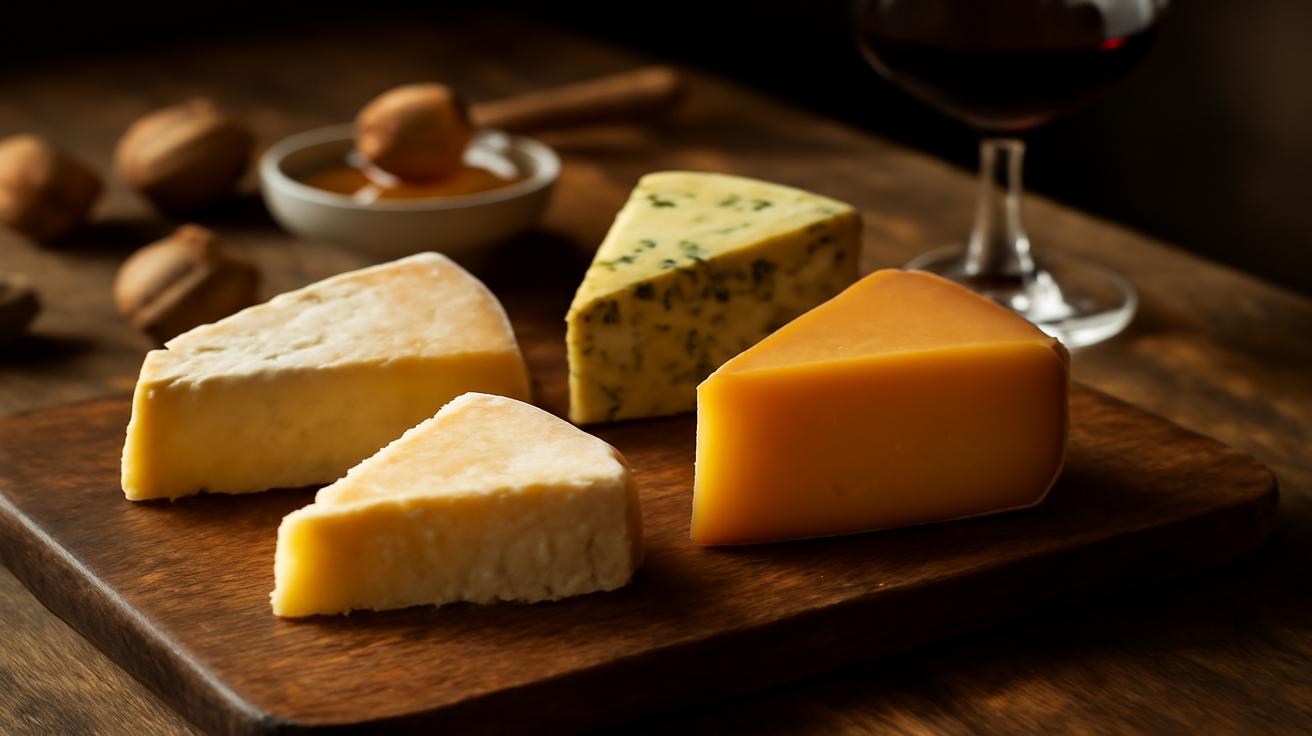
The woman at the corner table is laughing too loudly for such a quiet café. Her silver hair is tucked behind one ear, one hand wrapped around a porcelain cup, the other cradling a small plate with three neat slices of cheese. She pauses, lifts a sliver to her lips, and closes her eyes as if pulling something back from very far away. “My father used to cut it exactly like this,” she tells the barista. “He’d whistle while he worked. I can still hear it.”
Memory has a texture, a temperature, a taste. For some, it’s the smell of rain on hot pavement, or the weight of a grandparent’s hand. For others, it’s the sharp crumble of aged cheddar, the nutty softness of Gouda, the cream-slick melt of Brie on the tongue. And as the world stares down the growing wave of dementia, an unsettling question hangs over all of us: will we remember the sound of our own lives, or will it slip, quietly, into fog?
A Silent Tide That’s Rising Fast
Walk through any park in an aging city, and you can feel it: the world is getting older. The benches fill with grandparents in sun hats, people walking a bit slower, pausing a bit more. In just a few decades, dementia has shifted from a whispered family worry to a looming global health crisis, reshaping how we think about aging, caregiving, and even community.
Dementia isn’t one single disease. It’s a broad term for a gradual, often devastating decline in memory, reasoning, and the everyday abilities that stitch life together. Alzheimer’s disease is the most common form, but there are others—vascular dementia, Lewy body dementia, frontotemporal dementia—each with its own pattern, yet sharing that same heartbreaking unraveling of self.
Numbers make it feel colder, but they’re important. Worldwide, tens of millions of people live with dementia today, and that figure is expected to more than double in the coming decades. The reasons are complex: longer life expectancy, improved survival from other diseases, shifting lifestyles, and in some cases, sheer genetic lottery. Families watch loved ones lose names and faces. Healthcare systems strain under the long-term care demands. Entire economies feel the weight.
We know that dementia doesn’t strike at random. Genetics play a role, yes, but so do blood pressure, activity levels, sleep, mental engagement, social connection—and what sits on our plates, day after day, year after year. Diet is one of the quiet, powerful levers we can actually move. And recently, a rather unexpected food has stepped into the spotlight as a possible ally: cheese.
Can Something as Simple as Cheese Really Matter?
It sounds almost too pleasant to be true. Cheese, with its buttery richness and salty tang, has spent years under suspicion for its saturated fat and sodium. And yet, a growing wave of research is tugging at a different thread: in the right context, regular cheese consumption might support brain health and help lower the risk of dementia.
Picture a plate: a small wedge of aged cheese, a handful of nuts, a few ripe tomatoes, a drizzle of olive oil. It’s the sort of snack you might see on a table in a village overlooking the Mediterranean Sea, where people often live long, cognitively resilient lives. It’s no coincidence that many of these traditional diets—Mediterranean and similar patterns—include cheese not as a guilty pleasure, but as a regular, modest, and valued presence.
So what could be happening in that simple act of savoring a piece of cheese with lunch?
What’s Inside Cheese That Might Protect the Brain?
Start with the obvious: cheese is concentrated milk. When milk is transformed—curdled, cultured, pressed, aged—it becomes a compact package of nutrients and bioactive compounds. Some of these may help create a sort of nutritional buffer around the brain.
Among the many components of cheese, a few stand out when we talk about dementia:
- High-quality protein: Supports muscle mass and overall metabolism, both of which influence healthy aging and brain function.
- Vitamin B12: Essential for nerve health and brain function; low levels are associated with cognitive decline.
- Vitamin K2 (especially in some aged and fermented cheeses): Plays a role in vascular health and may help keep calcium where it belongs—bones, not blood vessel walls.
- Calcium and phosphorus: Support bone health, reducing frailty and the cascade of risks that come with it.
- Probiotic cultures (in some cheeses): Certain fermented cheeses carry live bacteria that may influence the gut–brain axis.
- Bioactive peptides: During fermentation and aging, proteins break down into small fragments that can have antioxidant, anti-inflammatory, and even blood pressure–lowering effects.
It’s the full orchestra that matters, not one solo instrument. Cheese is rarely eaten in isolation. It’s part of a meal, part of a pattern—a slice alongside vegetables, a crumble over whole grains, a modest portion paired with fruit. The power of cheese might lie not only in its own chemistry, but in how it harmonizes with the rest of the diet.
Cheese and the Gut–Brain Conversation
Inside your body, well beyond your conscious awareness, your gut and brain are in constant, quiet conversation. This “gut–brain axis” is an intricate web of nerves, immune signals, and microbial messages. The bacteria living in your intestines can influence inflammation, mood, and even how brain cells communicate.
Some cheeses, especially traditionally fermented varieties, carry living cultures—Lactobacillus, Bifidobacterium, and other microbes that can take up residence in your gut or at least pass through with meaningful impact. These bacteria may help reduce systemic inflammation, support the gut lining, and produce compounds that travel through the bloodstream to influence brain function.
Chronic, low-grade inflammation is increasingly recognized as a key driver of cognitive decline. If cheese, within a balanced diet, helps keep this internal fire in check, that might be one way it plays a protective role against dementia.
What Studies Are Beginning to Suggest
In quiet offices around the world, researchers pore over long-term population data, trying to answer a simple but profound question: why do some people stay mentally sharp deep into old age while others do not?
Dietary studies are messy—humans are complicated, and we rarely change one thing at a time. But some patterns are emerging when it comes to cheese and cognitive health. Observational studies have linked regular consumption of certain dairy products, including cheese, to better outcomes in memory tests and a lower risk of dementia. In some cohorts, people who ate cheese frequently within an otherwise healthy diet pattern appeared to have slower cognitive decline.
These studies don’t prove that cheese alone is a magic shield. They can’t, and they never will. But they draw an intriguing outline: people who include moderate amounts of cheese in their diets, especially as part of patterns rich in plants, whole grains, and healthy fats, often do better cognitively than those who avoid it or eat highly processed, nutrient-poor diets.
Imagine a spectrum. On one end, ultra-processed foods, sugary drinks, and a steady trickle of inflammatory, nutrient-void calories. On the other end, you have olive oil, vegetables, legumes, fish—and yes, a tasteful amount of cheese. The people clustering toward that second end of the spectrum, in study after study, tend to age with clearer minds.
Balancing the Plate: Enjoyment Meets Intention
Of course, cheese is not without its critics. Concerns about saturated fat, salt, and calories are real. Like most of the good things in life, the difference between benefit and harm is often in the dose and the context.
Viewed sensibly, cheese can fit beautifully into a diet that seeks to protect the brain. It doesn’t have to be a daily mountain of melted richness. It can be quiet, elegant, measured—a thumb-sized piece on a salad, a slice on whole-grain bread, a few shavings over roasted vegetables.
Here’s a simple way to visualize how cheese fits into a brain-friendly pattern:
| Element | Brain-Friendly Choice | How Cheese Fits In |
|---|---|---|
| Fats | Mostly from olive oil, nuts, seeds, fish | Cheese adds variety and flavor in small portions |
| Protein | Legumes, fish, eggs, yogurt | Cheese contributes high-quality, satisfying protein |
| Plants | Vegetables, fruits, herbs, whole grains | Works as a garnish to coax more vegetable intake |
| Overall Pattern | Mostly unprocessed, colorful, minimally sweetened | Cheese adds pleasure, making a healthy pattern sustainable |
This is the quiet secret: pleasure matters. A brain-protective way of eating is not a punishment. It’s a relationship you can maintain for decades. If a bit of cheese keeps you engaged with home-cooked meals, encourages gatherings with friends, and pulls you toward other whole foods, it may be doing more good than its nutrient label alone can reveal.
Everyday Rituals That Nurture the Mind
Imagine your day as a series of small, repeatable rituals. The glass of water by your bed. The way you open the curtains. The midday walk, even if it’s just to the end of the street and back. Your brain is sculpted by what you repeat.
Now picture a new ritual developing: early evening, the light softening, you step into the kitchen. Instead of scrolling your phone, you slice a small piece of cheese, place it on a little plate with some apple wedges and a handful of walnuts. Maybe you add a few cherry tomatoes or a couple of olives. You sit—not at your desk, not in the driver’s seat of your car—but at a table. For five minutes, you do nothing but taste.
The cheese is creamy and slightly salty. The apple is crisp and sweet. The walnuts taste faintly of earth and rain. This is not just a snack; this is presence. You are training your brain to notice, to savor, to be here now.
These sensory anchors—smell, taste, texture—are often some of the last things to fade in dementia. Long after names have slipped away, a familiar flavor can sometimes reach someone in a way nothing else can. In that sense, every simple, pleasurable food ritual is not only nutrition; it’s rehearsing for staying rooted in your own life.
Cheese in the Larger Web of Dementia Prevention
No single food can stand alone against a disease as complex as dementia. Think of cheese not as a cure or a shield, but as one thread woven into a much bigger, sturdier fabric.
That fabric might include:
- Movement: Regular walks, dancing in the living room, gardening, climbing stairs. Blood flow is brain flow.
- Sleep: Deep, consistent sleep helps clear metabolic waste products from the brain, including those linked to Alzheimer’s disease.
- Mental challenge: Learning new things, solving puzzles, reading, playing music—activities that keep neural circuits firing.
- Social connection: Shared meals, conversations, hugs, eye contact. Loneliness is its own form of inflammation.
- Stress management: Breathing exercises, time in nature, small moments of stillness.
Cheese enters quietly in several of these domains. Sharing a cheese plate at a gathering. Cooking a simple vegetable-and-cheese frittata with family. Sitting outside to eat a slice and watch the birds. It’s both nourishment and excuse—a reason to pause, to connect, to engage.
Choosing Cheese Wisely for Brain Health
If you decide to welcome cheese into your brain-protective lifestyle, the details matter less than the pattern, but they still matter. Here are some gentle guideposts:
- Portion over prohibition: Think thumb-sized pieces or a couple of thin slices, not a full block at a time.
- Quality over quantity: Choose flavorful, well-made cheeses—aged cheddar, goat cheese, feta, Parmesan, Gouda—so a little goes a long way.
- Pairing power: Combine cheese with vegetables, fruits, or whole grains—like salad, roasted vegetables, or seeded crackers—rather than with ultra-processed foods.
- Listen to your body: If you’re lactose intolerant or have specific health conditions, look for hard, aged cheeses (often lower in lactose) or talk to your healthcare provider about what’s right for you.
- Mind the salt: If blood pressure is a concern, choose lower-sodium options when possible and keep overall daily salt intake in check.
In the end, “regular consumption” doesn’t have to mean every day, nor does it mean abundance. It can simply mean that cheese is a familiar, recurring character in the story of your meals—appearing often enough to contribute its gifts, rarely enough to remain special.
A Future Where We Remember More
Imagine decades from now: you, sitting in a sunlit kitchen, a grandchild across the table. They ask you what life was like “back then,” before self-driving buses and whatever marvels the future holds. You reach for a plate of cheese—old habit—and you remember. You remember the smell of your first apartment, the sound of rain on that cracked balcony, the face of the friend who taught you how to cook your favorite dish.
Science is still filling in the details, still mapping the exact pathways from nutrients to neurons, from fermented curds to resilient memories. But a picture is emerging where small, daily choices ripple forward in time, shaping what we are able to hold onto.
Perhaps that is the quiet promise of cheese in the story of dementia: not a miracle, not a headline-grabbing cure, but a humble, enjoyable ally. A food that can sit happily beside vegetables and whole grains, that can invite us to slow down, to gather, to savor. A reminder that the path to protecting the brain is not lined only with pills and procedures, but with plates and conversations, with flavors and rituals, with ordinary, delicious things.
In a world where the threat of forgetting feels so large, it is strangely comforting that one of our potential tools is so human, so simple, so rooted in pleasure. A small slice, a deep breath, a quiet moment: a way of saying to your future self, “I am doing what I can, today, to remember you.”
Frequently Asked Questions
Does eating cheese guarantee I won’t get dementia?
No. Cheese alone cannot prevent dementia. It may play a supportive role as part of an overall healthy lifestyle that includes a balanced diet, regular physical activity, good sleep, mental stimulation, and social engagement. Think of cheese as one helpful piece of a much larger puzzle.
How much cheese is considered “regular” but still healthy?
Moderation is key. For most people, small portions—about 20–40 grams (roughly a thin slice or two) a few times a week—can fit comfortably into a brain-friendly diet. The right amount for you depends on your overall health, weight goals, and medical conditions.
Are some types of cheese better for brain health than others?
Cheeses that are aged or fermented, such as cheddar, Gouda, Parmesan, and some goat cheeses, may offer more beneficial compounds like vitamin K2 and bioactive peptides. However, the overall pattern of your diet matters more than any single type of cheese.
What if I’m lactose intolerant or sensitive to dairy?
Many hard, aged cheeses are naturally low in lactose and are easier for some people to tolerate. However, if you’re very sensitive or allergic to dairy, it’s important to follow your healthcare provider’s guidance. Brain health can still be supported through other foods and lifestyle choices.
Isn’t the saturated fat in cheese bad for my brain and heart?
The relationship between saturated fat and health is more nuanced than once thought. In the context of an overall healthy diet rich in plants, whole grains, and unsaturated fats, modest amounts of cheese may be compatible with good heart and brain health. If you have cardiovascular disease or high cholesterol, discuss your personal limits and best choices with a healthcare professional.