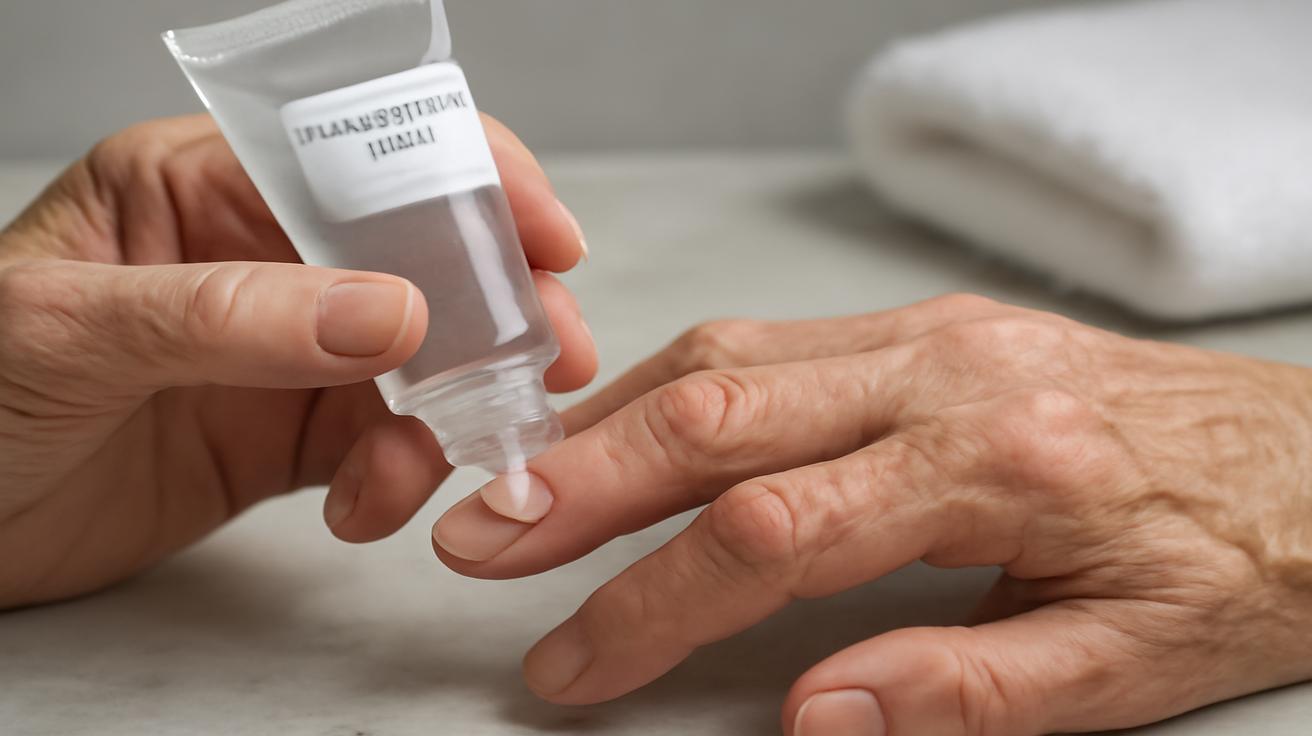
The waiting room smelled faintly of antiseptic and brewed coffee, that oddly comforting mix you only ever really notice in hospitals and clinics. Outside, rain ticked against the high windows. Inside, a man in his late sixties rolled the hem of his trouser leg up and down nervously, revealing a knee that had been injected, braced, iced, and argued with for years. On the wall behind him, a glossy poster declared in large soothing letters: “Stay Active, Stay Strong: Movement Is Medicine.” He stared at it for a long moment and then said softly, to no one in particular, “I’ve done all that. Why does it still hurt?”
The Promise We Hung on Movement
For years, exercise has been the bright star guiding the way in osteoarthritis treatment. Ask almost any clinician what matters most for aching, stiff, grinding joints, and you will hear it: “Keep moving. Strengthen the muscles. Exercise is the foundation.” It sounds simple, even elegant. You picture long walks in the park, gentle yoga poses on a sunlit mat, the subtle joy of rediscovering strength in your legs or hands or spine.
The idea is seductive: if the hinges are rusty, just keep them oiled. If the cartilage is thinning, let the surrounding muscles support the joint, absorbing the shock. For many, this advice feels empowering. No need to rely only on pills or injections; your own body becomes part of the medicine cabinet. For a while, that narrative held strong. Exercise was not just a pillar of osteoarthritis care—it was the pillar, the one every guideline, brochure, and wellness blog leaned on.
But then, something started to shift. Researchers began to pull together larger, more rigorous studies. They refined the ways they measured pain, stiffness, and function. They looked at real-world results as well as tightly controlled trials. What emerged wasn’t a story of failure exactly, but of nuance—a quieter, more complicated truth. The pillar of exercise was still standing, yet it turned out to be less towering and more modest than we had so confidently imagined.
The Forest of Expectations Around a Single Tree
If you listen closely to the way we talk about osteoarthritis and movement, you can hear the weight of our expectations. We don’t just say, “Exercise can help.” We say, “You need to lose weight and strengthen your joints and that will really fix things.” That little word—“fix”—does a lot of heavy lifting.
In exam rooms, patients nod earnestly and promise to walk more, join a class, maybe even start swimming. Some do, and they feel better: a little more flexible in the morning, a little more confident on the stairs, a little less wincing when they bend down to tie a shoe. Others push themselves and find only exhaustion and a familiar, stubborn ache that refuses to budge.
Inside the research, the story is less dramatic than the brochures suggest. Carefully designed exercise programs—strength training, balance work, cycling, water aerobics, tai chi—do help many people with osteoarthritis. On average, participants report less pain and better function over time. The gains are real. But they tend to be moderate, not miraculous. Pain might shift from, say, a 7 out of 10 to a 5, or a 6 to a 4. Some people improve a lot; some hardly at all.
When you’re living inside a hurting joint, a drop of two points can feel like a small blessing. But when we’ve been sold the idea that movement will rebuild our lives, mild relief can feel like a letdown—a whispered promise instead of the bold proclamation we were hoping for.
When the Numbers Meet the Lived Experience
Imagine your knee pain as a soundtrack in the background of your life. Before you begin a structured exercise program, the volume is high—loud enough that it drowns out parts of your daily routine. You hesitate before standing, plan errands around the availability of seating, think twice about invitations that require walking or standing. Then you train faithfully: three sessions a week, sometimes four. You feel your quadriceps grow firmer, your balance steadier. The pain volume knob nudges down… but it does not switch off.
This gap between improvement and transformation matters. Clinical trials tend to celebrate statistically significant changes: a few points shaved off a pain scale, a modest increase in the distance someone can walk in six minutes, a slightly faster time getting out of a chair. For researchers, these numbers are the language of success. For someone who wakes up at 3 a.m. with a burning knee or a throbbing hip, they can feel like half-measures.
What we are learning is not that exercise “doesn’t work” for osteoarthritis, but that it works in a quieter, subtler way than we once hoped. It is a tool, not a cure; a helpful ally, not a magic key.
Why the Pillar Still Matters—Even if It Is Shorter Than We Thought
There is a temptation, when a cherished idea proves less powerful than expected, to swing all the way to the other extreme. You can hear it in frustrated comments: “Physical therapy didn’t help at all,” or “I did the exercises and I still need surgery.” In that swing, we risk discarding something valuable just because it did not turn out to be miraculous.
Exercise, done thoughtfully, still helps osteoarthritis in multiple ways. It strengthens muscles that cradle the joint, providing extra support where cartilage has worn thin. It improves joint lubrication as movement encourages the flow of synovial fluid. It enhances balance, reducing the chance of falls that can turn an already painful joint into something catastrophic. And beyond the joint, it supports heart health, mood, sleep, and blood sugar—all of which can shape how we experience pain.
The trick is to hold exercise in its proper scale: as one important pillar among several, not the lone column holding up the whole structure of treatment. Medication, weight management, assistive devices, pacing strategies, sleep hygiene, mental health support, and in some cases surgery—each provides its own piece of the framework.
Sitting with that complexity is uncomfortable. We like tidy stories where one good habit can rescue us. Instead, osteoarthritis offers us something messier: no single savior, but a landscape of small, overlapping contributions.
The Quiet Reality Beneath the Guidelines
Most osteoarthritis guidelines still recommend exercise as a first-line treatment, and they are right to. But inside those sober documents is an unspoken caveat: “First-line” does not mean “final answer.” It means “start here, build from this base, and do not stop there.”
One of the quiet truths researchers have found is that the benefits of exercise tend to fade if the routine fades. There is no finish line to cross, no 12-week plan after which your joints are permanently “fixed.” Some people feel this as a betrayal: “I worked so hard, and if I stop, it gets worse again?” Yet that pattern is less a failure and more an echo of how the body works in general. Muscles adapt to what we repeatedly ask of them; joints respond to how we use—and sometimes overuse—them. When the stimulus fades, so do the adaptations.
This long-haul reality makes adherence, not intensity, the real challenge. We do not just need programs that work in a laboratory; we need daily rituals that people can live with in their real, imperfect lives.
What the Studies Whisper About Real-World Results
Behind the glass walls of research centers and rehabilitation gyms, scientists have watched hundreds, even thousands, of people with osteoarthritis move, stretch, and strengthen their way through carefully supervised programs. They measure muscle strength, track pain diaries, loop elastic bands around ankles, cue gentle squats and heel raises. And then, inevitably, they send participants home.
That “after” period is where the story often frays. Supervised exercise shows clearer benefits: trainers adjust the difficulty, therapists encourage proper form, and the social setting creates a sense of shared purpose. Once those supports disappear, the reality of daily life seeps in: long workdays, winter weather, family obligations, fatigue, days when the joint flares up and sitting still seems safer.
Researchers tracking people months or years after a program find that the average advantages of exercise shrink over time. Not to zero—but to something more modest. And in that gentle fading, a question arises: are we overemphasizing the program and underestimating the ecosystem that reinforces it?
A Pillar, Yes—But It Needs Scaffolding
To keep exercise helpful over the long run, many people with osteoarthritis need more than a one-time prescription for “30 minutes of activity, three times a week.” They might need tailored routines that shift as symptoms flare or settle. They may benefit from check-ins with a physiotherapist, group classes that turn strain into shared effort, or technology that tracks movement and offers subtle reminders.
Here is where the research findings begin to sound less like a disappointment and more like an invitation. The modest average effect of exercise is not a full-stop critique; it is a nudge toward better support and more realistic promises. Instead of saying, “Exercise will transform your osteoarthritis,” a more honest message might sound like, “Exercise can make things a bit better, especially when combined with other strategies—and we will help you keep it going.”
Balancing Hope and Honesty in the Clinic Room
In clinics, where real people sit in paper gowns and explain how it feels when their knees protest each step, the tone of the conversation matters. Too much optimism, and you risk leaving someone feeling like they failed when they cannot jog around the block without wincing. Too little optimism, and you strip away one of the few tools that can actually make a difference.
Imagine a different kind of dialogue, one that treats exercise not as a test but as a collaborative experiment:
“We know that movement can help your joint, but the results are usually moderate. You may not feel cured, and that’s not a sign of failure. Our goal is to help you find what your body can tolerate and slowly build on it. Some days will be worse; that’s okay. Let’s think about your week, your energy levels, and your preferences. Do you like walking outside? Do you have access to a pool? Do you enjoy group classes, or do you prefer working alone? We’ll begin there—and adjust as we go.”
Within that kind of conversation, the modest benefits of exercise become something more humane and manageable. We are no longer promising miracles; we are offering partnership.
A Look at the Pillar Among Other Supports
Thinking of osteoarthritis care as a structure held up by several pillars can help ground expectations. Exercise is one, yes—but so are medication, lifestyle changes, and other interventions. Seeing them all side by side can make it easier to understand where exercise fits, and why depending on it alone can feel disappointing.
| Treatment Pillar | Main Role | Typical Benefit Level |
|---|---|---|
| Exercise & Physical Therapy | Strengthen muscles, improve mobility, maintain balance and function. | Modest but meaningful pain relief and functional gains, best when sustained. |
| Medication (e.g., NSAIDs) | Reduce pain and inflammation in the short to medium term. | Often noticeable pain reduction, but limited by side effects and long-term risks. |
| Weight Management | Lower mechanical load on weight-bearing joints; improve overall health. | Can significantly help knees and hips over time, but slow and effortful change. |
| Assistive Devices & Bracing | Improve stability, redistribute load, and support daily activities. | Targeted relief and improved safety; impact varies by individual and device. |
| Surgery (e.g., Joint Replacement) | Address severe structural damage when other measures fall short. | Often major improvements in pain and function, but with significant risks and recovery. |
Seen this way, exercise is neither a disappointment nor a miracle. It is one leg of a five-legged table—important, but not sufficient without the others. Its impact is modest on its own, but it can amplify and be amplified by what surrounds it.
Redefining Success When the Cure Never Comes
There is a deep grief at the heart of chronic conditions like osteoarthritis: the quiet realization that some aches may never completely leave, that certain stairs will always demand a bit more attention, that there may be movements you once loved that now feel too costly. For many, the fixation on exercise as a central pillar carries a hidden promise: work hard enough and you might reclaim everything.
When that promise fails, the temptation is to feel blame—toward your own willpower, toward your body, toward the health system that sold you a dream. But perhaps there is a different frame available, one that makes room for both effort and acceptance.
Success in osteoarthritis management might look less like “no pain” and more like “more life around the pain.” It might mean you still feel that rusty tug in your knee in the morning, but you can now walk with a friend to the corner café. It might mean you still need to pause halfway up the stairs, but you are no longer clutching the railing in fear of falling. It might mean you still schedule your day with your joints in mind, but the schedule has grown roomier, more forgiving.
Exercise, even with its modest average impact, can open that kind of space. It may not silence the pain, but it can give you more bandwidth to move around it—to build rituals, relationships, and small adventures that would otherwise feel out of reach.
Listening More Closely to Each Body
Perhaps the most important lesson to draw from the quieter-than-expected results of exercise is that averages are not destinies. In every trial, some people improve a lot, some a little, some not at all, and a small number even feel worse. The goal, then, is not to push every person through the same template, but to listen for how each body responds.
For some, water-based exercise might feel almost magical—the buoyancy lifting weight from sore joints, the warmth easing stiffness. For others, the cold echo of a public pool and the logistics of getting there turn the whole thing into a chore. Some find joy and relief in slow, deliberate movements like tai chi. Others prefer a stationary bike while listening to the radio, or short, distributed walks throughout the day instead of one long outing.
The same clinical guideline that says “exercise is essential” leaves a lot of room for personalization: type, pace, intensity, and frequency can all be molded. In that sense, the modest global effect sizes of exercise are less a verdict and more a starting point. They tell us that movement helps, on average. The next step is finding the particular form of movement that helps you enough to be worth the effort.
FAQs About Exercise and Osteoarthritis
Does exercise actually help osteoarthritis, or is that overstated?
Exercise does help most people with osteoarthritis, but the average benefits are moderate rather than dramatic. Many experience some reduction in pain and better function, not a complete disappearance of symptoms. It is still a key part of treatment, just not a cure.
Can exercise make my joint damage worse?
When properly guided and adjusted to your ability, exercise is generally safe and does not accelerate joint damage. In fact, appropriate strengthening and mobility work can improve joint support. Overdoing it or ignoring sharp, persistent pain can cause flare-ups, so pacing and professional guidance matter.
What kind of exercise is best for osteoarthritis?
No single type is best for everyone. Commonly helpful options include low-impact aerobic activities (like walking, cycling, or swimming), strength training, and flexibility or balance practices such as yoga or tai chi. The “best” exercise is one you can do safely, consistently, and with some degree of enjoyment.
How long before I notice any improvement?
Some people feel subtle changes within a few weeks, such as easier movement or slightly reduced stiffness. More noticeable improvements in pain and function often take 6 to 12 weeks of regular, tailored activity. Progress can be gradual, and small gains still matter.
If exercise only helps a little, is it really worth the effort?
For many, even a modest drop in pain or a small boost in function can make everyday life more manageable. Exercise also improves overall health—heart, mood, sleep, metabolism—which can indirectly reduce pain and disability. It is rarely the whole answer, but combined with other treatments, it often becomes an important part of feeling and functioning better.
What if exercise seems to increase my pain?
Mild soreness or a temporary flare at the beginning of a new program is fairly common, but intense or lasting pain is a sign that something needs to change. You might need to reduce intensity, change the type of exercise, or work with a physiotherapist to modify your plan. Listening to your body and adjusting early is crucial.
Will I have to keep exercising forever to maintain benefits?
In most cases, yes—ongoing activity is needed to maintain improvements. When exercise stops, gains in strength and mobility tend to fade over time. The goal is to find a sustainable routine that feels like a natural part of your life, not just a temporary treatment course.
How do I start if I have been inactive for years?
Begin smaller than you think you “should.” That might mean a five-minute walk, a few sit-to-stands from a chair, or gentle range-of-motion exercises. Gradually increase as your confidence and tolerance grow. Consulting a healthcare provider or physiotherapist can help you create a plan that feels safe and achievable.