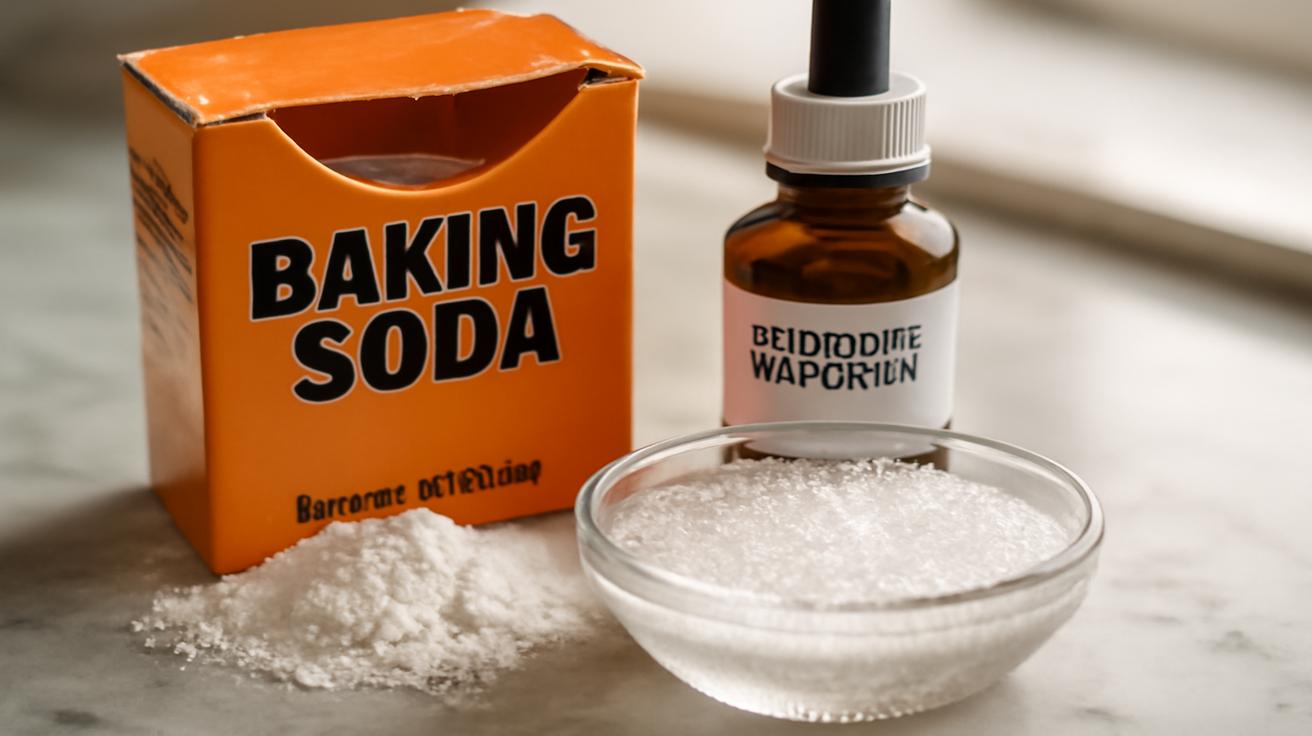
The fizz happens before you’re ready. You tip the box, shake a gentle drift of white powder into a chipped ceramic bowl, then slowly pour the clear liquid. For a heartbeat, nothing. Then the surface trembles, a hush of tiny bubbles rising like a whispered secret, the mixture blooming into soft foam that smells faintly sharp and clean. It looks almost alive—this simple combination of baking soda and hydrogen peroxide—quietly hissing on your countertop, ready to get to work.
The quiet comeback of a humble duo
Talk to a dentist, a dermatologist, a chemist, or even a gardener, and you’ll notice something curious: more and more of them are recommending the same thing—this old-fashioned, plain-packaged pair you can buy in any corner store. Baking soda and hydrogen peroxide. Together. Again and again.
It’s not new, of course. Old cleaning manuals mention it in passing, and some grandparents swear by a paste of the stuff to scrub stained sinks or rescue burned pans. But what’s changing now is how often experts are bringing it up—and how research is starting to catch up with what many people have quietly known for decades: this combination is surprisingly powerful, and surprisingly versatile.
In a world crowded with neon-colored sprays, mystery “oxy” powders, and scented gels that promise miracles, the baking soda–peroxide duo feels different. Sparse labels. No high-gloss marketing. Just chemistry, plain and simple. And behind that gentle fizz is a wide-ranging force experts are relying on from dental clinics to research labs, and from emergency rooms to kitchen counters.
A tiny chemistry lesson you can see and hear
Let’s slow down for a moment and listen to that fizz. What you’re hearing is a reaction between sodium bicarbonate (baking soda) and hydrogen peroxide (H₂O₂), two compounds that seem unremarkable on their own.
Hydrogen peroxide is essentially water with an extra oxygen atom attached. That lone oxygen is unstable; it wants to break away, which is why peroxide is such a powerful oxidizer. When it breaks down, it liberates oxygen, and that free oxygen is what helps lift stains, disrupt bacterial cell walls, and break apart smelly organic compounds.
Baking soda, on the other hand, is a mild alkaline powder—barely abrasive, with a high pH that lets it neutralize acids and loosen grime. It’s gentle enough to brush your teeth with, but gritty enough to help scrub away surface stains.
Combine them, and a few things happen at once. The mixture starts to decompose the hydrogen peroxide faster, releasing oxygen in the form of tiny bubbles. Those bubbles help lift dirt, debris, and microorganisms from surfaces, while the alkaline pH and mild abrasiveness of baking soda help break down and physically remove what’s left behind. It’s like a microscopic team effort: chemical lift, mechanical scrub.
The result? A paste or solution that’s both more effective and often safer than many harsh cleaners—if you use it wisely.
The science-backed sparkle of your smile
Ask any dentist about hydrogen peroxide, and they’ll nod. It’s one of the mainstays of professional tooth whitening. In the clinic, they often use much stronger concentrations, but the principle is the same: peroxide breaks apart the pigmented molecules that darken enamel. Baking soda has its own track record in oral care, with studies showing that toothpastes containing it can remove stains more effectively than those without, thanks to its gentle abrasive texture and alkaline nature.
When you mix them, you get a kind of at-home, low-intensity version of professional whitening—with a big asterisk: concentration and frequency matter. Dental researchers are careful to point out that while a mild paste of baking soda and low-strength hydrogen peroxide (the 3% bottle from the pharmacy) can brighten teeth, overdoing it can irritate gums and gradually wear down enamel.
A typical home mixture might look like this: a teaspoon of baking soda, a small splash of 3% hydrogen peroxide to form a thick paste, used no more than once or twice a week for a short brushing session. Most dentists today recommend limiting this use, treating it like a spot treatment rather than a daily routine.
What’s fascinating is how research keeps backing the basics. Studies comparing whitening toothpastes with and without baking soda show that the baking-soda formulas generally clean surface stains better. Hydrogen peroxide, even at low doses, visibly lightens discoloration over time. Together, they occupy a curious middle ground between “gentle natural remedy” and “chemistry lab in your mouth.”
Used carefully, they can help lift coffee, tea, and wine stains, freshen breath by disrupting odor-causing bacteria, and create that just-from-the-hygienist feeling. But the modern expert advice is clear: talk to your dentist, protect your enamel, and treat the fizzing paste like a weekly guest, not a permanent roommate.
The surprising reach into skin, wounds, and self care
From teeth, the duo wanders further across the body—onto skin, into scrapes, and even (though far more cautiously) into the realm of personal care recipes that DIY communities love to share.
Hydrogen peroxide has been used for decades as a topical antiseptic, its frothing action on cuts and scrapes almost theatrical, bubbling white as it reacts with catalase enzymes in blood and damaged tissue. But research has slowly reshaped how medical professionals use it. That exciting foam, it turns out, can also irritate healthy cells and delay wound healing if used repeatedly or on deeper injuries. Many emergency and wound-care specialists now recommend simple saline or clean water for routine cleaning, reserving peroxide for specific cases.
So where does baking soda come in? In skin care, it acts primarily as a mild exfoliant and pH adjuster. Mixed gently with hydrogen peroxide, it can form a paste some people use as a spot treatment on very stubborn skin issues, or to brighten areas like elbows and heels. But dermatologists sound a consistent note of caution: our skin barrier is delicate, and high-pH treatments can disrupt it, especially on the face.
Yet, in controlled, occasional use, the duo has earned a cautious nod from some experts. A thin, short-contact paste may help with rough patches, discolored nails, or callused heels. Nail technicians sometimes recommend a mixture to lift mild staining from nail polish or exposure to dyes. Again, the key is moderation—brief contact, thorough rinsing, and plenty of moisturizer afterward.
In the self-care world, this combination shows up in underarm brightening recipes, foot soaks, and even scalp cleanses. What modern dermatology adds to the conversation is nuance: the chemistry can work, but your skin’s long-term health matters more than a quick brightening effect. If your skin stings, reddens, or feels tight afterward, that’s your barrier whispering that the mixture is too strong, too frequent, or not for you.
Deep cleaning the places you’d rather not think about
Beyond the body, the baking soda–peroxide pairing really begins to shine in the hidden corners of your home—the grout lines, the stained baking sheets, the mystery marks in the bathtub. This is where the fizz becomes a kind of quiet, everyday magic.
Researchers in environmental health have long worried about the buildup of harsh cleaning chemicals indoors—the sprays that sting your throat, the scented gels that leave behind volatile organic compounds. In that context, simpler, low-toxicity combinations begin to look deeply appealing. Baking soda and hydrogen peroxide sit squarely in this camp, offering effective cleaning with far fewer lingering fumes.
Here are some of the ways this duo is increasingly recommended by cleaning experts and environmentally minded home economists:
- Grout and tile rescue: A paste of baking soda and hydrogen peroxide, spread along discolored grout and left for 10–15 minutes, can lift embedded grime impressively. The bubbles do the loosening; a brush finishes the job.
- Burnt-on pan revival: A sprinkling of baking soda on the burned area, followed by a thin layer of hydrogen peroxide, left to sit, can soften stubborn char. A second dusting of baking soda on top often ramps up the effect.
- Cutting board deodorizing: After washing, a quick scrub with baking soda and a splash of peroxide can neutralize stubborn food odors and help reduce microbial load.
- Bathroom stain removal: Rust rings, soap scum, and yellowish mineral stains often yield to a paste that clings and fizzes where sprays simply drip away.
What’s striking, according to cleaning researchers, is how often this simple combo can replace a shelf full of specialized products. And though it’s not a perfect fit for everything (you don’t want to use it on delicate stone, unsealed wood, or certain dyes), its range is broader than its humble ingredients suggest.
From laundry rooms to gardens: the wider world of uses
Step into a laundry room, and the same bottle of hydrogen peroxide that once attended your childhood scrapes may now sit near the detergent. Textile scientists and practical cleaners alike have noticed how effective peroxide can be at brightening whites and lifting organic stains—blood, sweat, wine—when used correctly.
Combine it with baking soda, and you get a mild yet robust pre-treatment paste that can transform dingy cuffs or grimy socks. The baking soda helps buffer pH and adds mild abrasion, while the peroxide attacks the stain molecules. Researchers studying fabric care often highlight hydrogen peroxide as a gentler alternative to chlorine bleach: it decomposes into water and oxygen, leaving fewer troubling residues behind, though it can still fade some dyes if misused.
In small laundry rooms and shared spaces, the duo has become a quiet staple: a dab on underarm stains, a smear on mud-streaked sportswear, a soak for towels that have veered into “gym bag” territory. The growing body of research on indoor air quality only adds to its appeal: fewer harsh fumes, fewer unknown additives riding along on your freshly washed clothes.
And then there’s the garden—where things get even more interesting.
Hydrogen peroxide, diluted heavily, is sometimes used by gardeners to treat seeds or soil suspected of harboring fungi, mold, or algae. The extra oxygen it provides can briefly increase oxygen availability in waterlogged or compacted soil, though overuse can harm beneficial microbes. Baking soda, for its part, has a history as a mild fungicide on certain plants, helping to nudge leaf-surface pH away from the comfort zone of some fungal pathogens.
Put them together, and you get an experimental toolbox that some plant enthusiasts are exploring with cautious enthusiasm: seed-soak solutions, anti-mildew sprays for garden furniture or pots, and cleaning rinses for propagation equipment. Plant pathologists, however, tend to emphasize restraint: what’s gentle enough for your tile may be harsh for a young seedling. The duo is best aimed at tools, trays, and non-living surfaces in the garden rather than as a cure-all for plant disease.
When “safe and simple” still demands respect
Part of the modern fascination with baking soda and hydrogen peroxide comes from a kind of emotional relief. In an era of unreadable ingredient lists, these two feel almost quaint—familiar, pronounceable, cheap. They look like the friendly underdogs of the cleaning and personal-care world.
Experts, though, are quick to remind us: “simple” is not the same as “harmless in all situations.” Hydrogen peroxide is an oxidizer; higher concentrations can burn skin, bleach fabrics, and irritate eyes and lungs. Baking soda, overused on skin or swallowed in large amounts, can upset the body’s acid–base balance. Mixed recklessly or applied with a heavy hand, they can do more harm than good.
Medical and environmental health professionals consistently emphasize a few core guidelines:
- Stick to low concentrations. For homes and bodies, the standard 3% hydrogen peroxide is usually more than enough. Food-grade or industrial-strength versions demand expert handling.
- Avoid mixing with unknowns. Peroxide should never be mixed with vinegar in the same container (it can form peracetic acid), nor with strong cleaners like bleach or ammonia.
- Test before wide use. On fabric, grout, or skin, always test a small area first. Watch for lightening, damage, or irritation.
- Use occasionally, not constantly. This is especially true for teeth and skin. Think “treatment,” not “lifestyle.”
In research labs and clinical settings, baking soda and hydrogen peroxide are handled with the same blend of familiarity and respect: they are tools, not toys. At home, that same mindset serves you well. The fizz is friendly; the chemistry is serious.
How experts actually use this duo day to day
Spend time shadowing professionals who use this combination, and patterns emerge. A dental hygienist may keep a small cup of diluted hydrogen peroxide at the ready for certain deep-cleaning procedures, while recommending a mild baking-soda toothpaste for patients with heavy surface stains. A dermatologist might suggest an occasional, carefully timed paste for thickened skin on heels—but steer you away from daily use on the face.
Cleaning professionals often have a mental map of where the duo works best: grout, ceramic, enamel, stainless steel, certain plastics. They know where to avoid it: natural stone like marble, some hardwood finishes, delicate textiles, and anything that reacts badly to oxidation. Environmental scientists, for their part, point to the relatively benign breakdown products—water, carbon dioxide, and salts—as a big reason to consider this pair before more aggressive chemicals.
Even in hospitals, where disinfectants are chosen with surgical precision, hydrogen peroxide solutions are gaining ground as surface disinfectants, sometimes stabilized by other compounds. Baking soda, too, shows up in pharmacy stocks as a buffer, an antacid, and a utility powder that intersects with countless formulations.
All this quiet, professional use stands in contrast to the louder online DIY world, where recipes swirl around social media promising miracle cures and one-swipe transformations. The reality, according to experts, is simpler and more grounded: baking soda and hydrogen peroxide can do a lot, but they do it best when given realistic jobs, used in reasonable amounts, and backed by a basic understanding of how they work.
A small toolkit for everyday alchemy
If you want to invite this duo into your own life with a bit more intention, it helps to think in terms of a toolkit: a few simple ratios, a mental list of best uses, and a clear sense of your own boundaries. Here’s a compact reference many people find helpful:
| Use | Typical Mix | Notes |
|---|---|---|
| Teeth spot-whitening | 1 tsp baking soda + drops of 3% peroxide to make thick paste | Use 1–2 times/week max; brush gently, rinse well, consult dentist. |
| Grout & tile cleaning | 2 parts baking soda + 1 part 3% peroxide | Apply, let sit 10–15 minutes, scrub, rinse thoroughly. |
| Burnt pan rescue | Layer of baking soda + just enough 3% peroxide to moisten | Let stand 1–3 hours; add more baking soda, scrub. |
| Laundry stain pre-treat | 1 tbsp baking soda + 1–2 tbsp 3% peroxide | Test fabric first; apply briefly, then launder as usual. |
| Deodorizing cutting boards | Sprinkle baking soda, spritz 3% peroxide | Scrub, let sit a few minutes, rinse and dry completely. |
These are starting points, not rigid rules. Your grout, your water, your surfaces, and your skin are all their own ecosystems. Start milder, watch how they respond, and adjust slowly.
Listening to the fizz
In the end, the growing enthusiasm among experts for mixing baking soda with hydrogen peroxide is not a call to throw away every other bottle under your sink. It’s more like a reminder that some of the most versatile, research-backed helpers in our homes and clinics arrive without fanfare—no fragrance, no neon label, just quiet chemistry waiting in the cabinet.
There’s something grounding about that. In a culture of instant, scented, single-use solutions, this duo invites you to slow down, to mix, to watch, to listen to the bubbles. To notice the way oxygen lifts hidden grit, the way a gentle abrasive can erase yesterday’s stain without scouring away tomorrow’s surface.
As researchers continue to map out its strengths and limitations, one thing is already clear: the combination of baking soda and hydrogen peroxide is more than a thrift-store cleaning hack. It’s a small, potent reminder that understanding even a little chemistry can give us cleaner homes, brighter smiles, and a gentler footprint on the places we live.
So the next time you reach for that unassuming brown bottle and that familiar cardboard box, pause for a second. You’re not just improvising. You’re joining a quiet, science-backed tradition—one fizzing bowl at a time.
FAQ
Is it safe to mix baking soda and hydrogen peroxide?
Yes, in small household amounts and with 3% hydrogen peroxide, it is generally safe. The reaction releases oxygen and forms a mild cleaning paste. Avoid closed containers, very high peroxide concentrations, and mixing with other chemicals like bleach, ammonia, or vinegar.
Can I use baking soda and hydrogen peroxide on my teeth every day?
Dentists usually advise against daily use. Occasional use (about once or twice a week) with a gentle paste can help with surface stains, but overuse may irritate gums and wear enamel. Always check with your dentist before making it part of your routine.
Will this mixture disinfect surfaces as well as commercial cleaners?
Hydrogen peroxide has strong antimicrobial properties, and baking soda helps with physical cleaning, but effectiveness depends on contact time and conditions. For everyday household cleaning, it works very well; for medical-grade disinfection, specialized products are still preferred.
Can I use baking soda and hydrogen peroxide on my skin?
Only with caution and usually not on the face. Short-contact use on thickened skin (like heels) or stained nails may help, but it can disrupt the skin barrier and cause irritation. If you have sensitive or damaged skin, or any skin condition, talk to a dermatologist first.
Is it safe for colored fabrics and carpets?
Hydrogen peroxide can sometimes lighten dyes. Always patch-test on a small, hidden area first. If no fading occurs after it dries, you can cautiously use it more widely. Never assume it’s safe on all colors.
Can I store a premixed solution of baking soda and hydrogen peroxide?
It’s best to mix fresh each time. The reaction starts breaking down hydrogen peroxide immediately, and a closed container can build pressure. Store them separately and combine only what you need in the moment.
Does food-grade hydrogen peroxide work better than the 3% pharmacy kind?
Food-grade hydrogen peroxide is simply a purer, more concentrated form and must be diluted carefully; it is not automatically “better” for general home use. For most household and personal applications, the standard 3% solution is effective and much safer to handle.