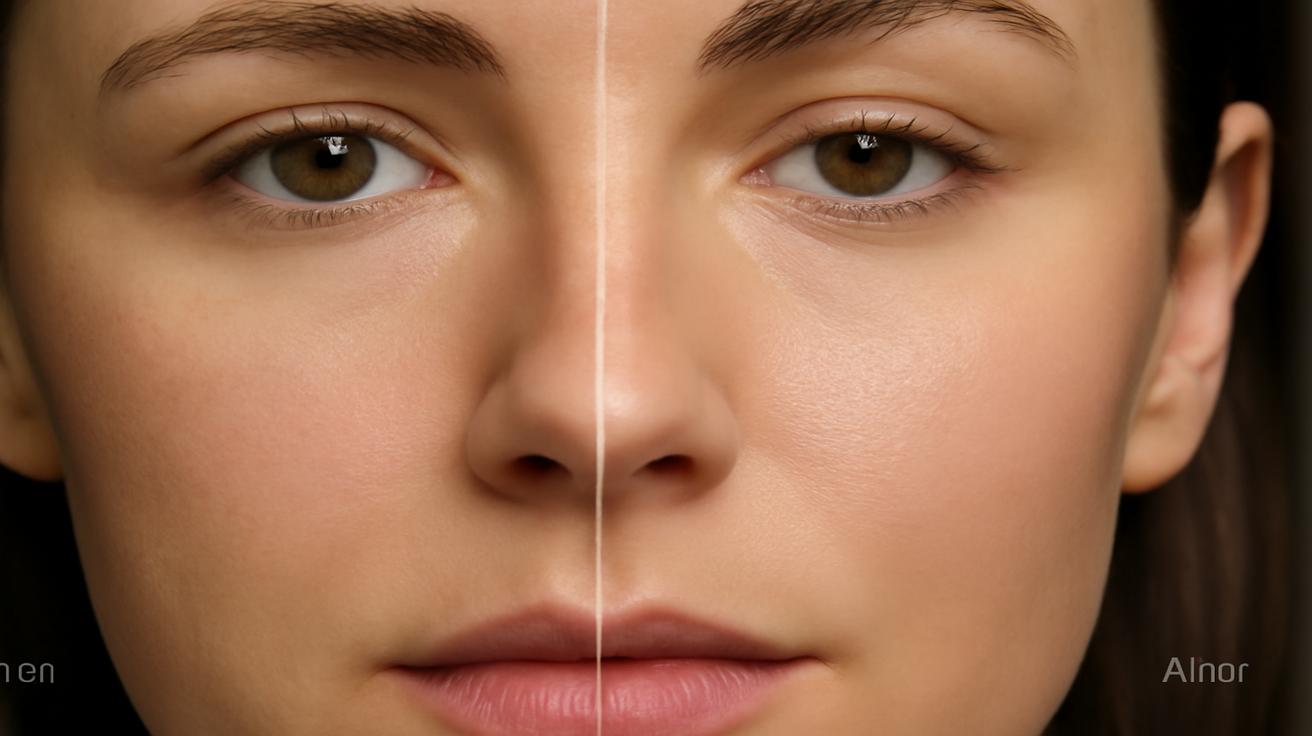
On the third night, as I stared at my reflection in the bathroom mirror, I realized I had officially become the kind of person who does weird experiments on their own face. In one hand: the familiar blue tin of Nivea Creme, cool and weighty, smelling faintly of soap and grandmother hugs. In the other: absolutely nothing. One side of my face would get the legendary “blue cream” treatment for seven nights. The other side? Just my usual, lightweight moisturizer. No fancy actives. No retinol. No serums with names that sound like space missions. Just a clean split: Nivea versus Normal.
The Plan: One Face, Two Stories
This whole thing started with a question I couldn’t shake: Is Nivea’s iconic blue cream really as magical as some people say? You’ve probably heard the whispers—“It’s a dupe for expensive crème,” “My grandma swore by it,” “I use it every night and I don’t age.” Part nostalgia, part myth, part petroleum-based mystery. So instead of just reading more reviews, I decided my skin would tell me the truth.
The plan was simple:
- Use my regular gentle cleanser on my whole face.
- On the right side: apply a pea-sized amount of Nivea Creme from the blue tin.
- On the left side: apply my usual light gel-cream moisturizer.
- Do this every night for one full week.
- Resist, at all costs, the temptation to “even things out.”
I chose my right side for the experiment because that’s the side I absentmindedly sleep on, squash into pillows, rub when I’m thinking. If the blue cream could handle that, it could handle anything.
How the Blue Cream Actually Feels on Skin
If you’ve never dipped your fingers into a tin of classic Nivea, imagine this: the cream is dense, almost stubborn. Not one of those moussey, cloud-like textures that vanish the second they touch air. No, this stuff has body. It clings. It resists.
The first night, I scooped out what I thought was a tiny amount, dotted it onto my right cheek, jawline, and temple—and instantly realized it was too much. As I spread it in, the cream formed a thick, glossy layer across half my face, like I’d just buffed that side with satin. The left side with my usual moisturizer absorbed quickly, turning matte and calm within seconds. The right side? Still shining, still a little tacky, like it had opinions about my impatience.
It smelled exactly like I remembered from childhood bathrooms and travel pouches: a soft, clean, almost powdery scent that somehow makes you feel like you’ve done something wholesome and responsible, even if you’re just standing under an overlit mirror at 11:47 p.m. wondering if you’ve lost your mind.
Night One: The Shine and the Pillowcase
When I finally turned off the lights and slid into bed, I became abruptly aware of my pillowcase situation. The Nivea side of my face felt… present. That’s the best word for it. There was a subtle weight, a cushion of product between my skin and the fabric. It didn’t feel suffocating exactly, more like I was wearing a very small, very rich sleeping mask—on only half my face.
As I settled into my usual right-side sleeping position, there was a flicker of worry: was all this going to just transfer to the pillow? Would I wake up with one greasy half and one normal half, or worse, clogged pores and regrets? I forced myself not to overthink it and fell asleep with the faint Nivea scent curling around my nose.
In the morning, the first thing I did—before checking my phone, before even fully opening both eyes—was shuffle to the mirror. The left side looked… like my usual morning face: a little puffy under the eye, fine lines visible, skin a bit dull in the way all skin is before coffee and a splash of water. The right side, the Nivea side, looked slightly smoother. Not brighter, not transformed, but there was a subtle plumpness, like that half of my face had slept just a bit better than the other.
By Day Three: The Texture Talk
By the third night, the experiment had settled into a rhythm. I’d learned to use a genuinely tiny amount of Nivea—smaller than a pea, really. I warmed it between my fingertips until it softened, then pressed it gently into my right cheek, along the jaw, up toward the temple. The pressure, the ritual, the deliberate act of treating one half of my face differently felt strangely intimate, almost meditative.
And that was when I began to notice two things: texture and timing.
On the Nivea side:
- My skin felt velvety when I woke up, like it had been wrapped in a softness all night.
- The small, faint texture bumps along my cheekbone—those little uneven bits only you ever notice about yourself—seemed less obvious.
- The area around the corner of my mouth looked a touch less crinkly when I smiled.
On the non-Nivea side:
- My skin still felt fine, but more “bare,” like there was nothing between it and the air.
- The texture was slightly rougher if I ran fingers along the cheek.
- The fine lines under my left eye seemed just a little more etched in the morning light.
But there was another side to this softness. Around day three, I noticed a different kind of texture: a hint of heaviness at the end of the day. That right side, once all the Nivea had worn off and regular daily life had done its thing, sometimes felt a bit clogged, like my pores were mildly annoyed but too polite to complain loudly.
The Table: What Changed and What Didn’t
To keep my late-night bathroom impressions from turning into pure imagination, I started jotting down little notes. By the end of the week, it looked something like this:
| Day | Nivea Side (Right) | Non-Nivea Side (Left) |
|---|---|---|
| 1 | Feels very moisturized, looks shiny at night, slightly plumper in the morning. | Normal, light hydration, no visible change. |
| 3 | Texture feels smoother, fine smile lines softer, slight heaviness by evening. | Texture unchanged, fine lines more visible on waking. |
| 5 | Noticeably more supple, one small clogged pore near nose beginning to appear. | Less supple, but clearer around the nose area. |
| 7 | Soft, cushioned feel to the skin, subtle glow, a bit too rich for daytime but lovely overnight. | Balanced but slightly duller; fine lines more pronounced in side-by-side comparison. |
Nothing dramatic. No miraculous erasure of lines, no overnight tightness, no wild breakouts. Instead, what emerged was a quiet, steady difference: one side that felt cared for in a deeper, heavier way, and one side that simply went about its usual business.
The Science Hiding in the Tin
Beneath the nostalgia and the scent, Nivea’s blue cream is old-school skincare. It’s not light, it’s not oil-free, and it’s not pretending to be a serum in disguise. It is, very frankly, a heavy occlusive moisturizer. That means its main job is to sit on top of your skin and stop water from leaving.
A few things working in that little tin:
- Occlusives: Ingredients like petrolatum and mineral oil form a comforting, protective layer that seals in moisture.
- Emollients: These smooth down the tiny cracks on the skin surface so everything feels softer and more even.
- Simple formula: No trendy actives, no exfoliating acids, no retinoids—just straightforward moisture barrier support.
But the same ingredients that make it feel like a nourishing blanket on dry or normal skin can be too much for oilier or clog-prone types. That slightly suffocated feeling I started noticing on day five? That was probably my combination skin politely hinting that this level of richness has limits.
Night Five: The Pore Protest
By night five, the experiment had become a mood. I’d wash my face, pat everything dry, and feel a little anticipatory thrill as I opened the blue tin. It was like turning a simple skincare routine into a story I was telling myself—about patience, about noticing small details, about listening to my own skin instead of the loud voices of marketing.
But skin always has opinions, even when it whispers them. One morning I leaned in closer to the mirror and spotted it: a tiny, raised bump near the right side of my nose, on the Nivea side. Not a full pimple, but a clogged pore staging an early protest.
It wasn’t dramatic. No angry redness, no painful swelling. Just a small reminder that “more moisture” is not always “better moisture,” especially on combo or oily zones like around the nose and chin. The rest of my right cheek and jawline still looked and felt good—better than the left side, actually. Cushioned. Comforted. But my T-zone was starting to request a lighter hand.
And that’s when the nuance of this cream really clicked. Nivea wasn’t a miraculous anti-aging potion—but it was definitely doing something. It just wasn’t subtle about its personality. It is rich. It wants you to know it’s there.
Day Seven: The Split-Face Reveal
On the seventh and final night, I went a little slower than usual. I smoothed my regular light moisturizer over the left side, then pressed the Nivea into the right, tracing the border down the bridge of my nose like some invisible fault line. I looked at both sides carefully in the mirror under the harsh bathroom light, turning my head, squinting a little the way we all do when we’re trying to decide if something is actually different or if we just want it to be.
Here’s what I saw, as honestly as I can describe it:
- The Nivea side looked plumper around the cheek area, with that slight “cushion” effect you get after a hydrating sheet mask.
- Fine smile lines on that side were still there (of course—they’re part of my actual face) but a bit softened, less sharply etched.
- The skin surface looked smoother, especially under angled light, like the cream had been quietly sanding down those tiny dry patches I usually ignore.
- Around the nose, though, pores looked a bit more congested, that same theme of “this might be too much here.”
- The non-Nivea side looked normal, familiar, unremarkable—but also slightly flatter. Less glow, less bounce.
It wasn’t a transformation. No one on the street would stop me and say, “Excuse me, is only half your face five years younger?” But I could see it. Tiny, real differences that only emerge when you pay absurd attention to your own skin for a week.
What the Week Taught Me (Beyond Moisturizer)
Somewhere between the awkward first night and the thoughtful last, this little experiment became less about whether Nivea could “fix” anything and more about how we notice change—the kind that happens slowly and quietly, without a big reveal.
There was something grounding about showing up for my skin intentionally every night, even if it was just half my face. I found myself touching my cheek more gently, scanning for nuance instead of drama. Asking small, practical questions instead of big, desperate ones:
- Does my skin feel stronger with more protection?
- Where do I actually need richness—and where is it overkill?
- What feels good now, and what might cause trouble in a week?
After seven nights, here’s where I landed on Nivea’s blue tin:
- It is deeply comforting for dry to normal areas of the face, especially cheeks and temples.
- It can soften the look of fine lines temporarily by cushioning the skin with moisture.
- It may not love congested T-zones or very oily skin—those areas might complain with small clogs or heaviness.
- It doesn’t replace targeted actives like retinoids or vitamin C, but it can be a nourishing, barrier-supporting partner to them—if your skin tolerates heavy textures.
On night eight, out of pure habit, I almost reached for the tin again. My hand hovered, then paused. I realized I didn’t want to keep using it on just one side anymore. The experiment was done, the story complete. But part of me wanted to adapt the lesson rather than abandon it.
So now, I use Nivea more like a spot-treatment for dryness: just on the high points of my cheeks when the weather is brutal, or as a kind of “slugging-lite” sealant on particularly parched nights. Never around the nose. Always with a little respect for its richness.
So, Should You Put Nivea on Only Half Your Face?
Do you need to run to your bathroom and start a one-side-only ritual tonight? Probably not. You can absolutely learn from my absurd curiosity without committing to an asymmetrical face for a week. But there’s something to be said for approaching an everyday product with that much attention.
If you’re curious about the blue tin—and if your skin isn’t very oily or acne-prone—this is what I’d suggest instead:
- Use it on your driest zones first: cheeks, jawline, maybe even neck, and skip the T-zone.
- Apply a tiny amount and really warm it between your fingers before pressing it in.
- Give it a week or two, watching not just for glow but also for any clogged pores or heaviness.
- Think of it less as a miracle cream and more as a cozy blanket for your moisture barrier.
In the end, my split-face week with Nivea didn’t give me a dramatic before-and-after photo. What it gave me was subtler: a clearer sense of what rich moisture actually looks and feels like on my own skin, and how tiny changes add up, line by line, pore by pore, night by night.
And maybe that’s the real magic in the blue tin—not that it turns back time, but that it invites you to slow down long enough to notice what your skin’s been trying to tell you all along.
FAQ
Is Nivea Creme good for the face?
It can be, depending on your skin type. Nivea Creme is very rich and occlusive, which can be excellent for dry or normal skin, especially on the cheeks and drier areas. However, it may feel too heavy or cause clogged pores on oily or acne-prone skin, particularly in the T-zone.
Can I use Nivea Creme every night?
Yes, many people do, but listen to your skin. If you notice increased congestion, breakouts, or a heavy, suffocated feeling, you might want to use it only a few nights a week or just on dry areas instead of your entire face.
Is Nivea Creme anti-aging?
It doesn’t contain classic anti-aging actives like retinoids or peptides. Its main “anti-aging” effect is indirect—by keeping the skin well-moisturized and supported, it can soften the appearance of fine lines temporarily and help maintain a healthier barrier over time.
Can I use Nivea Creme around my eyes?
Some people do, but the formula is heavy and not specifically designed for the delicate eye area. If you try it, use the tiniest amount and watch for milia (small white bumps) or irritation. Many prefer lighter creams formulated for the eye area.
Will Nivea Creme clog my pores?
It can for some skin types. If you’re oily, combination, or acne-prone, apply it sparingly and avoid areas where you tend to break out, like around the nose, chin, and forehead. Patch testing on a small area first is always a good idea.
Can I combine Nivea Creme with serums or actives?
Yes. In fact, it can act as a final moisturizing layer over hydrating serums like hyaluronic acid or soothing toners. If you use stronger actives like retinoids or acids, apply those first (as directed), let them absorb, and then use a small amount of Nivea Creme on top if your skin tolerates it.
Is the blue tin Nivea different from the lotion in bottles?
Yes. The blue tin Nivea Creme is thicker, richer, and more occlusive. The bottled Nivea lotions are usually lighter and designed more for the body. For the face, especially at night, the tin formula is the one most people refer to when they talk about the “blue cream” experiment.