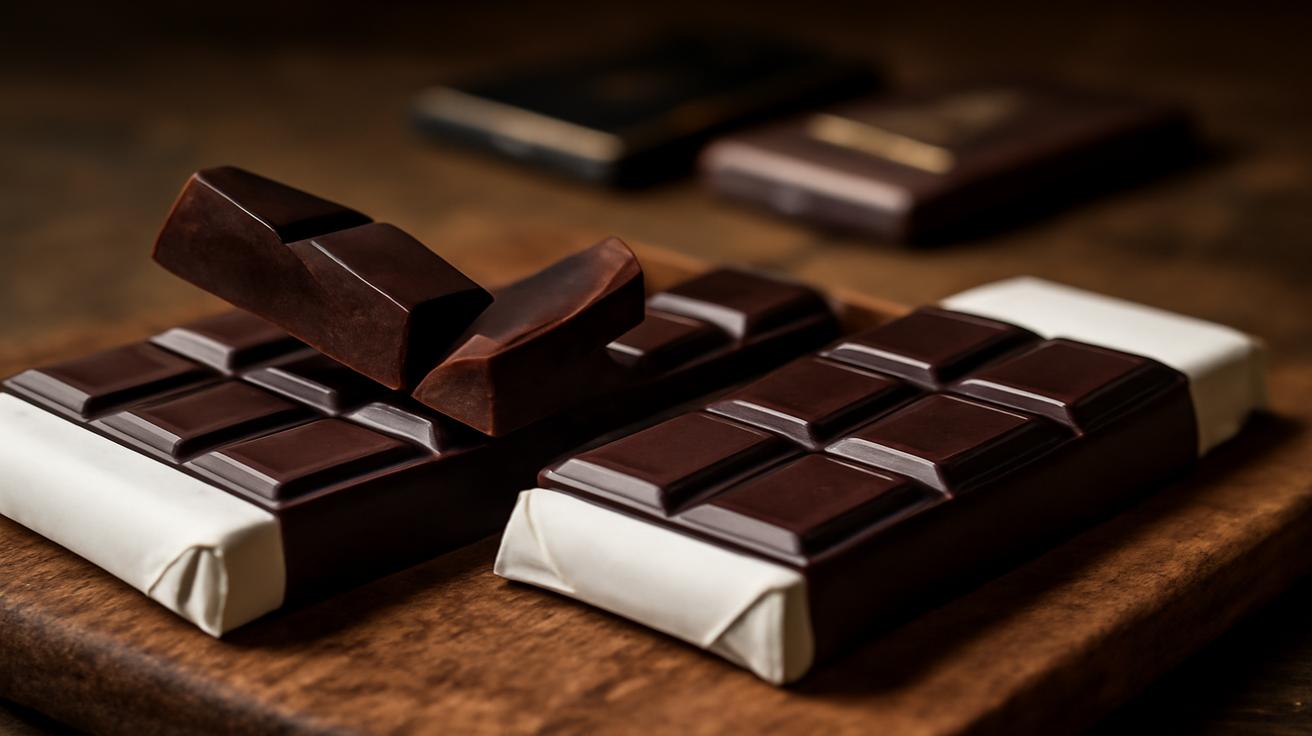
The first snap echoed in the quiet room—clean, bright, like a tiny branch breaking in a winter forest. A panel of tasters leaned in, eyes closed, letting the square of dark chocolate dissolve slowly on their tongues. Outside, the rain stitched against the windows. Inside, the air held the faint, earthy perfume of cocoa and coffee and roasted nuts. No one spoke for a long moment. When they finally did, the room hummed with surprise.
The Blind Taste Test That Nobody Expected
The experiment started simply: line up dozens of dark chocolates—famous premium bars with gold-foiled labels, boutique single-origin tablets from small-batch makers, and a quiet cohort of low-cost supermarket brands that most people toss into their cart without much thought. Strip away all the labels, hide the prices, break everything into anonymous squares, and ask one question: Which chocolate actually tastes the best?
The experts came from different corners of the food world: pastry chefs with stained aprons and exacting palates, sensory scientists who spend their days describing aromas in poetic, microscopic detail, and serious home bakers who can detect a burnt note from a room away. They gathered in a softly lit test kitchen that smelled faintly like vanilla and toasted sugar, the kind of place where stainless steel shines and time seems to slow down.
Each bar was coded with a simple number. No logos, no origins, no “Ecuador 70%” or “Artisan Craft” or “Single Estate” to influence expectation. The chocolates were tasted at room temperature—cool enough to have a crisp snap, warm enough for the cocoa butter to melt smoothly. Palate cleansers—plain water and unsalted crackers—waited between samples like commas in a long, decadent sentence.
And then something happened that nobody, not even the most cynical taster, saw coming. As the scores were tallied, three of the top spots didn’t belong to the high-end brands with their hand-lettered packaging and poetic tasting notes. Instead, they went to modest supermarket dark chocolates—bars that cost a fraction of the price, often stacked near the checkout or tossed on the bottom shelf.
The Moment of the Reveal
When the numbers were finally projected on a screen, the room went quieter than a forest after snowfall. Bar #14: high marks across the board. Bar #27: praised for balance and complexity. Bar #3: almost perfect texture and a finish that lingered like a good story. The tasters shuffled their notes, brows furrowed, tasting again to be sure.
Then the wrappers were brought out. No one gasped, exactly, but there was a ripple of disbelief. These weren’t the name-brand luxury bars that appear in glossy ads or behind glass counters. They were everyday supermarket chocolates—store brands and low-cost labels that, for most people, live somewhere between impulse purchase and afterthought.
Someone laughed, a quick, startled sound. A pastry chef shook his head slowly, still holding a small square of supermarket chocolate between his fingers like it might explain itself if he stared long enough. A sensory scientist whispered, “I did not see that coming.” The rain kept ticking at the windows, indifferent and steady, while the assumptions in the room quietly rearranged themselves.
What the Experts Were Actually Looking For
Before the test began, each taster had been given a simple framework: judge as if this were the only chocolate you had in your kitchen, and you needed it to do everything—be good enough to savor alone, strong enough to stand up in baking, and interesting enough that you’d want to come back for another piece.
The Anatomy of a Good Dark Chocolate
They rated each bar on several sensory pillars:
- Aroma: The first impression—was it floral, nutty, fruity, earthy, or flat? Did it bloom from the bar or lurk faintly at the edges?
- Snap: That decisive, clean break that signals proper tempering and good cocoa butter structure.
- Texture: Does it melt smoothly, like silk sliding through fingers, or does it feel waxy, grainy, or sandy?
- Flavor Balance: Bitterness, acidity, sweetness, and depth—how they collide, negotiate, and eventually harmonize.
- Finish: What’s left on the palate after the chocolate is gone—a shadow of roasted coffee, a whisper of red fruit, or nothing much at all.
Premium bars often build expectation by telling a story: cacao sourced from a particular valley, harvested by hand, roasted to reveal notes of orange blossom and toasted almond. The packaging suggests complexity, rarity, sophistication. But when the stories were stripped away, some of those much-lauded bars tasted oddly blunt—too sharp, too sweet, or too one-note. Meanwhile, a few unassuming supermarket bars glided quietly into center stage, their flavors layered and calm, like a conversation that gets more interesting the longer you listen.
The Surprising Supermarket Standouts
The three top-performing low-cost chocolates shared a kind of quiet confidence. None were intensely branded as gourmet. Their wrappers were simple, sometimes a little plain. But inside, the chocolate told a different story.
How They Won—Without the Luxury Price Tag
The first standout was a 70% supermarket dark with a reserved, almost shy aroma that opened slowly: roasted cocoa, a faint hum of dried plum, a touch of coffee grounds. On the tongue, it melted evenly, with no waxiness, no grainy sugar scraping the palate. It began bitter, then softened into a gentle dark caramel note, finishing with just the right hint of dryness. “I could bake with this,” one pastry chef murmured, “but I’d also just eat it straight from the bar.”
The second was slightly sweeter—around 60–65% cocoa—friendly and approachable without tipping into milk chocolate territory. Tasters picked up on red fruit notes, something close to cherry or raspberry, tucked inside the darker flavors of cocoa and roasted nuts. “It’s the kind of bar,” one home baker said, “that you’d crumble over vanilla ice cream and never think twice about—but if you paid more for it and someone told you it was single-origin, you’d believe them.”
The third supermarket winner surprised almost everyone. It had a reputation among a few shoppers as a “good-enough baking chocolate,” the bar you melt into brownies or chop into muffins. But here, tasted slowly and deliberately, its personality unfolded: a deep, almost fudgy core with subtle hints of tobacco and molasses, touched by a light, citrusy edge. It wasn’t flashy. It didn’t scream for attention. It simply…worked—through the first bite, the middle, and the long, comfortable finish.
When the prices were finally revealed, the gap was startling. Some of the top-rated low-cost bars were less than a third of the price per gram of their premium competitors. In one case, a supermarket chocolate that ranked in the overall top five cost less than a single glossy, high-end bar that barely made it to the middle of the list.
A Snapshot of the Results
The tasting panel compiled their notes into a simple comparison, grouping the average scores and approximate prices. Names aren’t included here—because the story isn’t about a single brand, but about the disconnect between perception and reality.
| Chocolate Type | Average Taste Score (out of 10) | Texture Rating | Approx. Price per 100g |
|---|---|---|---|
| Premium Artisan Bar A | 7.4 | Smooth, slightly waxy | High |
| Premium Single-Origin Bar B | 7.8 | Very smooth | Very High |
| Supermarket Dark Brand 1 | 8.3 | Silky, clean melt | Low |
| Supermarket Dark Brand 2 | 8.1 | Smooth, slight grain | Low |
| Supermarket Dark Brand 3 | 8.5 | Velvety, well-tempered | Low–Medium |
On a small phone screen, the pattern is easy to see: the top scores cluster around the supermarket entries, while some of the premium names loiter uncertainly in the middle of the pack.
Why Cheaper Dark Chocolate Can Taste Better
Price, as it turns out, doesn’t always follow flavor. A bar can be expensive for many reasons: branding, packaging, small production scale, fair wages in the supply chain, rare bean varieties, or an ambitious marketing story. None of those things guarantee that what reaches your tongue will be more pleasurable than something simpler and cheaper.
Hidden Advantages of Supermarket Bars
Many supermarket brands work with large, experienced manufacturers who have quietly perfected the mechanics of chocolate over decades. They know how to roast cocoa so it doesn’t tip into acrid. They understand how to conche—the long, slow mixing and aerating of chocolate—until the rough edges smooth out and the more unpleasant volatile compounds drift away. They have data, feedback loops, and consistency.
Meanwhile, some smaller or more premium brands may chase intensity or uniqueness at the expense of balance. They might highlight an origin with very bold flavors—high acidity, heavy tannins, almost wine-like sharpness. That can taste thrilling when framed by expert expectations, but to an ordinary, blindfolded palate, it may simply feel harsh or exhausting. When the storytelling disappears, what’s left is the raw experience of taste and texture—and that can be kinder coming from a well-crafted, no-drama supermarket bar.
There’s also the matter of added ingredients. Some premium chocolates insist on minimalism—just cocoa mass, cocoa butter, sugar. Supermarket bars may incorporate small amounts of vanilla, extra cocoa butter, or emulsifiers that don’t sound romantic but can improve texture and keep bitterness from dominating. In a blind test, the tongue usually doesn’t care whether the smoothness came from a traditional stone grinder or a modern industrial process. It just registers pleasure—or its absence.
How to Choose a Dark Chocolate That Actually Delivers
Walking down the chocolate aisle can feel like stepping into a gallery: shiny wrappers, elegant fonts, cacao percentages lined up like mysterious numbers on a museum label. But the dark truth of this taste test is comforting: you don’t need to buy the most expensive bar to get something genuinely good.
Reading the Wrapper Like a Taster
Next time you’re in a supermarket, consider this quiet checklist as your hand hovers over the shelves:
- Cocoa Percentage: A range between 60–75% is often the sweet spot for everyday eating—dark enough for depth, not so intense that it feels like a dare.
- Ingredients List: Short can be great, but don’t fear a bit of added cocoa butter or vanilla. Watch out for lots of extra oils or flavorings that drown cocoa rather than support it.
- Texture Clues: If you’ve tried a bar before and remember it melting poorly—waxy, crumbly—it probably won’t improve in your memory. Trust that experience.
- Brand Consistency: Some supermarket labels are known quietly by bakers and pastry chefs as reliable. If you find one you like, try their other cocoa percentages.
And once you’re home, try a tiny tasting ritual of your own. Snap a square in half. Listen to the break. Smell it. Let it sit on your tongue without biting for a few seconds. Notice how it moves and changes. You don’t have to talk about “stone fruit” or “forest floor” to enjoy chocolate deeply; it’s enough to notice whether it makes you want another piece.
What This Means for Everyday Chocolate Lovers
Somewhere in a drawer, you might have a treasured bar of premium chocolate you’re saving for a special moment. Beautifully wrapped, elegantly described, it feels too nice to eat on an ordinary afternoon. And somewhere else—in your pantry, at the back of a cupboard—you might have a cheap supermarket dark chocolate you grabbed in a rush and forgot about.
The blind taste test suggests something quietly liberating: that everyday bar might bring you just as much joy, maybe more, than the one in the fancy wrapper. The story you’ve been told about what “good chocolate” looks like and costs may not match what your senses actually prefer when the lights go down on the labels.
For bakers, this is even more practical. If a low-cost supermarket bar melts better, tastes balanced, and holds its character in cookies or cakes, there’s no reason not to make it your house chocolate. You can save the expensive single-origin pieces for when you want to sit in silence with a square and think about a distant hillside of cacao trees. Or you can decide, simply, that pleasure is pleasure, and it doesn’t have to be expensive to be real.
Back in that rain-touched test kitchen, when the tasting was over and the wrappers were all revealed, something subtle shifted in the experts’ approach. The pastry chefs pocketed a few supermarket bars to take home “for further testing.” The sensory scientists scribbled notes about expectation bias and brand influence. The home bakers swapped pieces of their new favorite low-cost chocolate like trading cards.
Outside, the clouds thinned and the light shifted. The room smelled like a memory of cocoa—soft, warm, slightly bittersweet. On a white plate, the remnants of the three winning supermarket bars sat in small, neat fragments. Nobody was guarding them now. People drifted past, broke off a square, and walked away, already imagining brownies, ganache, quiet late-night snacks.
In the end, the surprise wasn’t that cheap chocolate could taste this good. The surprise was how long it had been doing so, quietly, right there on the supermarket shelf, waiting for someone to listen with their tongue instead of their assumptions.
Frequently Asked Questions
Does more expensive dark chocolate always taste better?
No. Price reflects many things—branding, packaging, origin, scale of production—not just flavor. Blind taste tests often show that some low-cost supermarket bars can match or even outperform premium chocolates in taste and texture.
What cocoa percentage is best for everyday dark chocolate?
For most people, a range of 60–75% cocoa works well. It offers enough intensity and depth while still feeling approachable and enjoyable for daily snacking or baking.
How can I tell if a supermarket dark chocolate is good quality?
Look for a clean snap when you break it, a smooth melt (not waxy or grainy), and a balanced flavor that isn’t overwhelmingly bitter or overly sweet. A short ingredient list with cocoa mass, cocoa butter, sugar, and maybe vanilla is often a good sign.
Are supermarket dark chocolates good for baking?
Many are excellent for baking. If they melt smoothly and taste balanced on their own, they usually perform well in brownies, cakes, cookies, and ganache. It’s worth testing a small batch first and sticking with the ones you like best.
Is dark chocolate from the supermarket still “real” chocolate?
Yes, as long as it contains cocoa solids and cocoa butter, it’s real chocolate. Some may include emulsifiers or vanilla for texture and flavor, but that doesn’t disqualify them. Check the ingredients to be sure cocoa is at the top of the list.
Do single-origin or artisan chocolates have any advantages?
They can offer unique and complex flavor profiles and may support better practices in sourcing and production. However, unique doesn’t always equal more delicious for every palate. It’s worth exploring both artisan and supermarket chocolates to find what you genuinely enjoy.
How should I store dark chocolate to keep it tasting its best?
Store it in a cool, dry place away from direct sunlight and strong odors, ideally around 15–20°C (59–68°F). Keep it tightly wrapped. Avoid the refrigerator unless absolutely necessary, as moisture and temperature swings can affect texture and appearance.