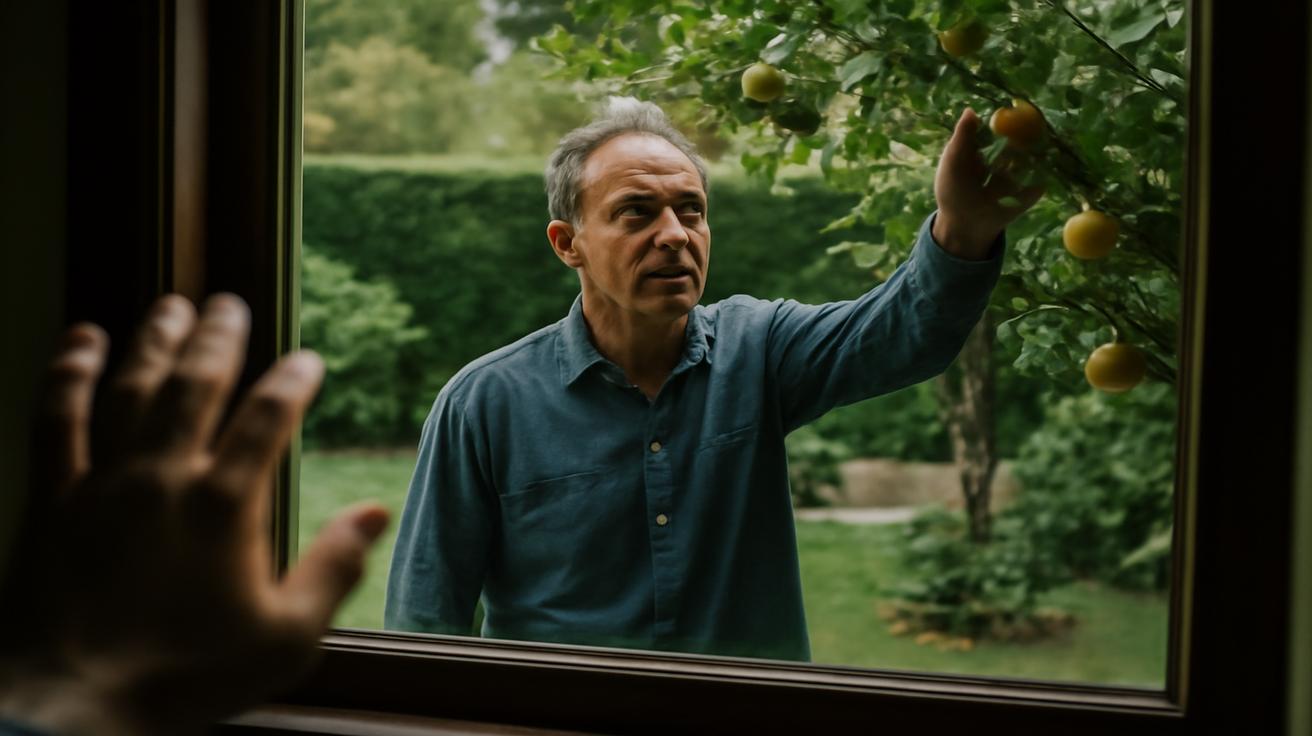
The first time you see your landlord standing in your garden, it’s usually not a slow, graceful realization. It’s a jolt. Maybe you glance up from your morning coffee to catch a shape moving among the branches, the quiet snap of twigs, the soft thump of a ladder settling into soil that you thought of as yours. And then you see them, arm stretched, plucking the reddest, ripest fruit from the tree you’ve been watching all summer. They might wave, even smile, as if they’ve just borrowed a cup of sugar. But the question blooming in your chest is louder than any greeting: Do they even have the right to be here?
Where the Garden Ends and the Law Begins
It’s easy to think of a garden as something simple and gentle—a patch of earth, some sunlight, seeds, and time. But the moment that garden sits on rented land, it becomes something else entirely: a meeting point of feelings and contracts, of roots and rights. You tend the soil, water the seedlings, prune the branches. Your landlord owns the ground beneath your feet. So who owns the fruit?
To get to the bottom of this, you have to peel back the layers. There’s the legal layer: what your tenancy agreement actually says. There’s the emotional layer: what it means to feel at home in a place that technically isn’t yours. And then there’s the quiet, unspoken layer of social expectations—how people think landlords and tenants should behave.
Imagine a plum tree planted decades ago by a stranger. It was already there when you signed your lease. You didn’t choose it, but you’ve come to love it. The blossoms in spring, the shade in summer, the sticky sweetness of juice on your hands in late August. It frames your morning view, dropping petals on your shoes like confetti. Over time, it starts to feel like part of your life, part of your story.
But on paper, that tree—and the earth it stands in—belong to your landlord. And that’s where we run into this sharp, slightly sour question: is your landlord simply taking their own fruit… or trespassing into your lived space?
The Quiet Power of “Exclusive Possession”
When you rent a home, you’re not just borrowing bricks and mortar. You’re granted what the law often calls “exclusive possession” of the property you’re renting. That usually includes the garden or yard listed in your tenancy agreement. In simple terms, exclusive possession means that while you’re the tenant, the space is yours to live in and enjoy without unnecessary interference—even from the person who owns it.
That doesn’t mean your landlord disappears into the mist the moment you move in. Most laws recognize that landlords can enter the property, but only for specific reasons: inspections, repairs, safety checks, or emergencies. And even then, they usually need to give you reasonable notice and arrive at a sensible time of day. A burst pipe at midnight? An emergency. Popping in on a sunny afternoon to help themselves to your fig harvest? Not quite.
In many rental setups, the garden is part of the demised premises—legal speak for “everything you’re renting, not just the indoors.” If your agreement says the garden is included, then your exclusive possession likely extends to that outdoor space too. That’s where boundaries—both literal and figurative—really start to matter.
So if your landlord strolls in through the side gate with a basket, no warning, and starts picking, you’re not overreacting if it feels like a violation. Even if they planted that tree with their own hands years ago, the law tends to care more about who controls access now than who planted the first seed.
Who Actually Owns the Fruit?
There’s a strangely poetic legal idea that once fruit is growing on a tree, it is part of the land—a “fixture,” attached to the property. On that basis, your landlord owns the tree, the roots, the trunk, the branches, and yes, the fruit. But here’s the twist: owning the fruit doesn’t mean they can just walk into your living space without permission to get it.
Think of it like this: a landlord might own the boiler, but that doesn’t mean they can march into your bathroom unannounced to “check on it” while you’re in the shower. Ownership and access are not the same thing. In your garden, the same principle quietly rustles in the leaves. As long as the fruit remains attached, it’s part of the property the landlord owns. Yet your right to quiet enjoyment and privacy can protect you from uninvited visits to pick it.
Once fruit drops to the ground and you gather it into a bowl, a basket, or a jar of jam cooling on your kitchen counter, it becomes more clearly yours. You’ve harvested something in your care, from land you have temporary dominion over. Many tenants, and quite a few legal minds, would say: if you’re the one tending the garden, you’re the one entitled to the harvest—unless your contract clearly says otherwise.
The Emotional Landscape of a Shared Tree
Before we go too far into clauses and codes, it’s worth pausing to notice how personal gardens are. They’re not just bits of yard. They’re memory-makers. That corner where you spread out your grandmother’s old picnic blanket. The raised beds where you coaxed tomatoes into being. The small ritual of stepping out barefoot in the morning to inspect what grew in the night.
So when someone steps over that invisible line—especially if they do it casually, as if it’s no big deal—it can feel like they’re trampling more than soil. They’re walking through your sense of safety, your version of home. A landlord who appears suddenly among your sunflowers might insist, “I’m just grabbing a few apples; I planted this tree!” But you’re the one who’s been watching that tree through the kitchen window, planning pies and chutneys and shared bowls with friends.
Sometimes, this tension becomes a silent tug-of-war. You rush to harvest the fruit before it’s “taken.” They point out that it’s “their” property. Conversations get clipped; messages start with “Just to remind you…” It’s astonishing how a handful of plums can carry so much unspoken weight.
Underneath it all sits that uncomfortable truth: legal rights and emotional rights don’t always line up neatly. A landlord might have a technical claim to the fruit. You might feel, deeply and legitimately, that what grows in your care belongs to your life. When the law is fuzzy or silent, what we’re left with is human behavior—kindness, respect, courtesy—or the lack of it.
What Your Tenancy Agreement Is Really Saying
To move from emotion to clarity, you have to look to your tenancy agreement, even if it’s the last thing you feel like reading on a sunny day. Somewhere in that dense block of text, there are clues:
- Does it say the garden is included in the property you’re renting?
- Does it mention who is responsible for garden maintenance—mowing the lawn, trimming hedges, pruning trees?
- Is there any specific mention of plants, fruit trees, or landscaping?
- Does it spell out when and why the landlord can enter the outside space?
If the agreement is silent on fruit or access to the garden, then the general principles of privacy and reasonable landlord access usually apply. That often means: no unannounced visits just to pick fruit. If the agreement clearly says the landlord retains the right to access certain parts of the garden—say, to maintain a shared border fence or communal tree—then that might give them more leeway. But “more leeway” is not the same as “no limits.”
Below is a simple way to think through your situation:
| Scenario | What It Often Means |
|---|---|
| Garden is clearly included in your rented premises | You generally have exclusive use; landlord access should be limited and with notice. |
| Garden is shared with other tenants | Landlord may access communal areas more freely, but unannounced fruit-picking can still be questionable. |
| Agreement mentions landlord’s right to maintain trees | They can enter to maintain or prune, usually with notice—not automatically to harvest for themselves. |
| No mention of garden or trees at all | General rules of privacy and reasonable access apply; you can usually challenge surprise visits. |
Reading the agreement might not feel romantic, but it arms you with something powerful: the ability to talk about your garden in more than just hopeful terms. You can say, “This is what we agreed to,” not just, “This doesn’t feel right.”
Conversations at the Fence Line
Still, paper only gets you so far. The real test happens in the space between two human beings. You, with your watering can and your dreams of homemade jam. Them, with the title deed and perhaps a long-standing habit of seeing the garden as theirs.
Imagine this: next time your landlord comes by for a scheduled visit—maybe to check the boiler or read the meters—you walk them out into the garden. The tree stands there between you, humming quietly with life. You point out the fruits, how close to ripe they are, how you’ve been watching them. And then you say calmly, “I want to talk about how we share this space.”
You don’t accuse. You describe. “Last week, I saw you out here picking fruit without letting me know first. It made me feel like my privacy wasn’t respected. I understand you own the property, but while I’m living here, I need this space to feel like my home. Could we agree that you’ll ask before coming into the garden?”
There are a few ways this can go:
- They apologize, a little embarrassed, and agree to text or call before entering.
- They insist they have the right because they planted the tree or own the house.
- They hadn’t realized you felt so strongly about it and suggest a compromise.
Maybe you propose sharing: “When the fruit is ripe, I’ll pick a basket for both of us,” or “Let’s agree on one harvest day where we do it together.” It might sound quaint, but these small, human agreements are often what keep landlord-tenant relationships from souring. A small ritual of shared fruit can be the difference between conflict and quiet coexistence.
And if the conversation doesn’t go well—if they shrug off your feelings, or keep arriving without warning—you’re not powerless. Document the incidents. Keep a simple log of dates and what happened. Store your communications in writing whenever you can. That way, if you ever need advice from a tenants’ group or legal professional, you’re not just waving your anger in the air; you’re holding a record of a pattern.
When the Garden Becomes a Boundary Line
Sometimes the garden is where a bigger story shows itself. A landlord who thinks nothing of helping themselves to fruit might also think little of your need for notice before inspections, or your right to quiet enjoyment overall. The garden incident becomes a symbol of something deeper: the struggle over who really gets to feel at home.
But the reverse is also true. A landlord who pauses, listens, and adjusts their behavior when you raise the issue is telling you something powerful: they understand that ownership carries responsibilities, not just privileges. They recognize that while the law may tilt in their favor in some ways, a livable, humane relationship matters more than a basket of pears.
In the end, gardens are about care. They’re about tending and time and paying attention. A landlord who lets you fully inhabit the garden—who respects your routines there, your right to harvest, your peaceful Saturdays pulling weeds—is offering you more than legal compliance. They’re offering you dignity, the right to feel that, for now, this is your place in the world.
Finding Your Own Line in the Soil
So, does your landlord have the right to enter your garden to pick fruit? Often, not without your permission or proper notice—especially if the garden is part of the property you rent and you have exclusive possession. They may own the tree and, in a technical sense, the fruit. But that technicality doesn’t automatically override your right to privacy, to quiet enjoyment, and to a home that feels uninvaded.
The answer lies in a tangle of factors: what your contract says, how local laws define landlord access, whether the space is shared or private, and how the two of you negotiate the messy, beautiful reality of living and letting live.
As you stand in your garden, perhaps the sun slanting low, the leaves glowing like stained glass, you are not just a renter. You are the current steward of this small piece of earth. The law may write your role in careful, measured terms, but your heart writes it more loudly: this is where you hang your washing, where you drink your tea, where you watch the seasons turn. Anyone who steps into that space should do so with care.
If you’re unsure, start by reading your agreement. Then, start a conversation. Lay out your boundaries as clearly as a well-dug garden bed. Protect your peace without losing your kindness. Because in the end, what grows in a garden is never just fruit. It’s trust, or it’s tension. And that part is something the two of you, landlord and tenant, are always quietly cultivating together.
FAQ: Landlords, Tenants, and Fruit in the Garden
Can my landlord come into my garden without telling me?
In many places, no. If the garden is part of the property you rent, you usually have the right to privacy and quiet enjoyment there. Landlords typically must give notice and have a valid reason—such as repairs or inspections—not simply a desire to pick fruit.
Does my landlord own the fruit on the trees?
Legally, the landlord generally owns the trees and the fruit as part of the property. But ownership of the fruit doesn’t give them a free pass to enter your private space without permission or notice. Access and ownership are separate issues.
If I planted the fruit tree, does that make the fruit mine?
Often, anything permanently planted in the ground becomes part of the property, which belongs to the landlord. However, if you planted the tree with their consent, it’s reasonable to expect that you’ll be the one enjoying most or all of the harvest. Clear written agreements help avoid disputes later.
What if my tenancy agreement doesn’t mention the garden?
If the garden is clearly part of your living space, general rules about tenant privacy usually apply. That means your landlord shouldn’t enter without notice or good reason. It’s wise to clarify garden use and access in writing to avoid misunderstandings.
How can I stop my landlord from picking fruit in my garden?
Start by talking to them calmly and explaining how it affects your sense of privacy and home. Refer to your right to quiet enjoyment and any relevant parts of your contract. If the behavior continues, keep a record of incidents and seek advice from a tenants’ organization or legal professional in your area.
Can I agree to share the harvest with my landlord?
Absolutely. Many tenants and landlords find a friendly compromise: you do the gardening and agree to set aside some of the fruit for them, or arrange one shared picking day. A simple written note or email confirming the arrangement can help keep everyone on the same page.
Is it trespassing if my landlord comes into the garden uninvited?
Depending on your local laws and the terms of your tenancy, repeated unannounced entry into your garden without a valid reason may be considered a breach of your right to quiet enjoyment, and in some cases may be treated similarly to trespass. For specific legal interpretation, you’d need advice based on your location.