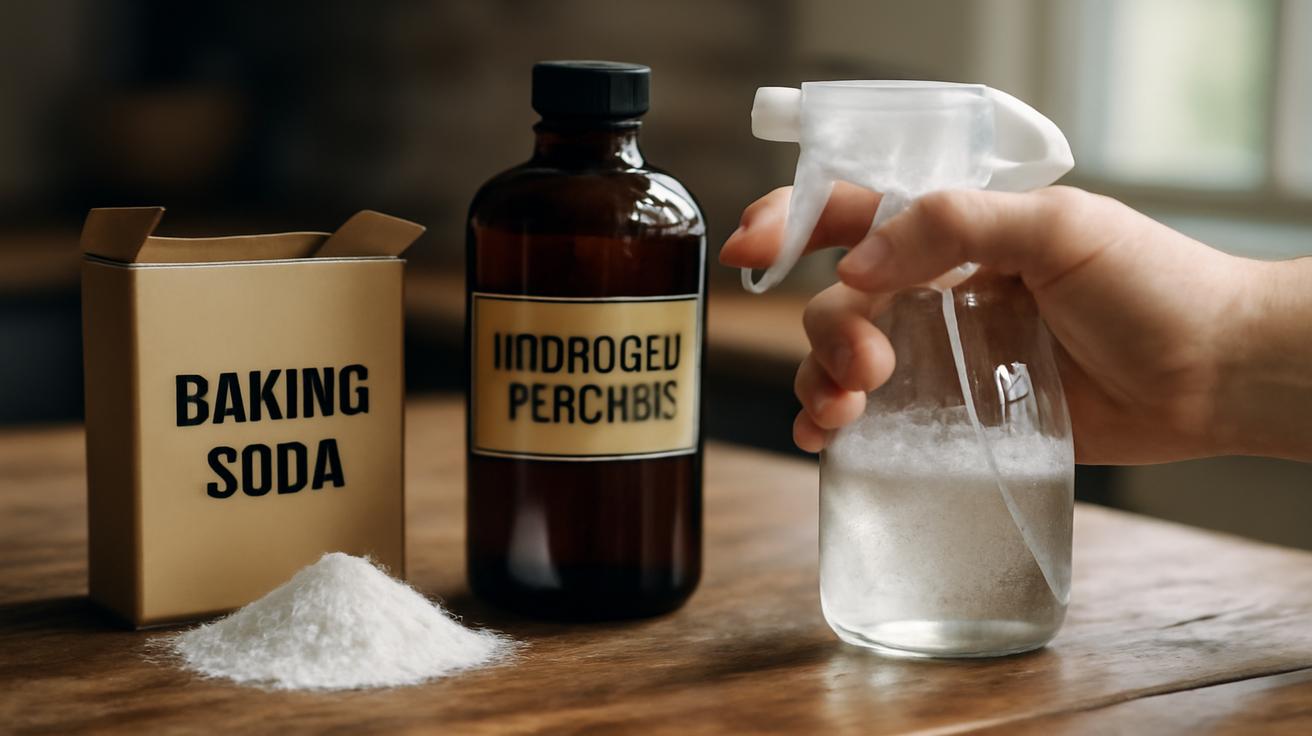
The first time I watched baking soda and hydrogen peroxide meet, I was ten years old and hovering over my grandmother’s porcelain sink. She poured a spoonful of white powder into a coffee cup, then dribbled in a clear liquid from a brown bottle. The mixture fizzed and foamed like some tiny arctic storm, climbing the sides of the mug. “Nature’s little science trick,” she said, swirling it with the handle of a spoon. A moment later she was lifting the cup to her mouth, swishing briskly. “For the teeth,” she mumbled, foam pressed against a smile. Back then, it felt like a curious kitchen ritual, half potion, half myth. Only years later would I realize that experts, dentists, gardeners, and even environmental scientists would increasingly point to this simple duo as one of the most quietly powerful combinations in the modern home.
The Quiet Science Behind the Fizz
Pull those two ingredients off a shelf—one from the cleaning aisle, one from the baking section—and they look almost disarmingly ordinary. A cardboard box of sodium bicarbonate. A brown bottle labeled hydrogen peroxide, often 3% concentration. The kind of products you might pass a hundred times and barely notice.
Yet the moment they touch, something subtle and remarkable happens. Hydrogen peroxide (H₂O₂) is already a bit unstable: two hydrogen atoms, two oxygen atoms, always on the verge of breaking apart into water (H₂O) and a free oxygen atom. Baking soda, or sodium bicarbonate (NaHCO₃), is a mild alkaline powder made of sodium, hydrogen, carbon, and oxygen. When the two combine, the mixture gently tips the balance. The solution becomes slightly more alkaline, and the hydrogen peroxide begins to break down faster, liberating that extra oxygen in a controlled, foaming burst.
To the eye, it just looks like fizz. To a stain, a colony of bacteria, or a patch of embedded odor, it looks more like an attack. That extra oxygen is a mini oxidizing force—enough to disrupt the cell walls of microbes, lift pigments trapped in porous surfaces, and nudge certain molecules to rearrange or break apart. The baking soda adds its own quiet superpowers: fine, soft abrasiveness; natural deodorizing; and buffering capacity to keep the mixture in a useful pH range.
Scientists call it a catalytic decomposition; homeowners just call it satisfying. And increasingly, experts across different fields—from dentistry to dermatology to sustainable living—are recommending this duo as a simple, low-cost, lower-toxicity alternative to many products that come wrapped in fragrance, fluorescent colors, and warning labels.
The Bathroom Laboratory: Teeth, Tiles, and Tiny Miracles
Walk into almost any modern bathroom, and you can see chemistry winking back at you from every shelf. Whitening strips, blue mouth rinses, foaming cleansers claiming to penetrate pores “at a molecular level.” Most of them are built around the same ideas: abrasion, oxidation, and surfactants. Baking soda and hydrogen peroxide quietly offer the first two in a more stripped-down, old-world way.
Whitening Teeth Without the Fireworks
Dentists have been talking about hydrogen peroxide for decades—it’s the backbone of most professional whitening treatments. Baking soda, too, has long been recommended in conservative doses as a gentle abrasive to polish away surface stains. When combined, they make what many dental researchers describe as a simple but effective at-home brightening mix.
Stir a pinch of baking soda into a shallow pool of hydrogen peroxide, and a soft, spreadable paste forms. Used no more than a few times a week as a brushing aid or pre-brush polish, this paste can help loosen and gently scrub away stains from coffee, tea, and wine. The peroxide gets into micro-crevices in enamel, oxidizing pigmented compounds, while the fine grains of baking soda help physically remove residue without gouging like harsh abrasives.
Dental experts are quick with caveats: too much peroxide too often, and you can irritate gums and soften enamel. Too aggressive with baking soda, and you might wear enamel if you scrub like you’re sanding a floor. But in measured, respectful use, studies find this combination can reduce plaque, brighten teeth, and cut down on the bacterial load that fuels gum inflammation and bad breath.
Skin, Scents, and the Slow Art of Gentle Cleaning
Not far from the toothbrush lies another frontier: the skin. Some dermatologists cautiously acknowledge that very diluted hydrogen peroxide, combined with baking soda, can help in specific situations—like softening calluses, deodorizing feet, or cleaning under fingernails stained by soil or plant tannins. That fizzing, foaming action you see on a scraped knee is peroxide breaking down in contact with organic material, lifting away debris. When cushioned by a small amount of baking soda, it can cling a little better to rough surfaces, working its way into tiny grooves.
The same pairing quietly excels at one chore many people dread: combating persistent odors. Sweat, smoke, and pet smells have a way of knitting themselves deep into fabric and grout. Hydrogen peroxide can oxidize many of the odor-causing molecules, while baking soda adsorbs volatile compounds and buffers the solution. Used on shower tiles, inside sneakers, or on washable fabric (after spot-testing), the combination doesn’t just mask smells; it alters or removes them.
Here, again, moderation is the difference between “nature-inspired” and “minor chemical mishap.” Concentrated peroxide on skin or colored fabrics can bleach; too much baking soda can leave a chalky film or irritate sensitive areas. But for people seeking simpler routines with fewer synthetic fragrances, this duo offers a pared-down chemistry set: no neon colors, no perfume, just bubbles and a faint mineral clean.
In the Kitchen: From Stained Mugs to Stressed Cutting Boards
If the bathroom is where baking soda and peroxide polish and deodorize, the kitchen is where they wrestle with the ghosts of meals past. Burnt-on oil, turmeric-stained cutting boards, coffee rings that have migrated from cup rims to countertops—these are all essentially chemical stories, too.
The Cook’s Secret Stain Fighter
Every cook has a piece of cookware they’re slightly ashamed of: the baking sheet warped and darkened, once-silver now permanently bronzed. While no amount of home chemistry will make old metal brand new, a paste of baking soda and hydrogen peroxide often feels like a minor redemption. Spread it over a stubborn stain, let it sit, and the mixture starts to loosen carbonized layers and oxidized oils. The foam creeps into the microscopic hills and valleys of the metal, while the soda’s grit waits patiently for you to arrive with a sponge.
On white ceramic mugs, the transformation can feel borderline magical. Coffee and tea stains are built of tannins and other pigments that cling tenaciously to porous surfaces. Peroxide’s oxygen helps break some of those pigment molecules apart; baking soda’s mild abrasiveness then lifts them away. The result, often, is the quiet satisfaction of seeing a cup return to something close to its original brightness, as if all those late nights of work and caffeine have been gently excused.
Deodorizing Without Perfume
Step near a cutting board that has known too many onions, and the air tells you a story before your eyes do. Those sulfur compounds responsible for onion aroma can linger through multiple washes. Here the duo operates more like a careful eraser. Baking soda neutralizes acids and absorbs volatiles, while hydrogen peroxide oxidizes some of the odor molecules, altering their structure so they no longer register as pungent.
It’s the same in the sink, where sponges, drains, and metal traps quietly collect the remnants of meals. Rather than layering citrus-scented dish soap over the problem, a short soak or targeted scrub with a baking soda–peroxide solution can actually reduce the load of odor-causing microbes, while breaking down slimy biofilms. The space smells less like “fresh lemon fragrance” and more like almost nothing at all—simple, neutral air, which might be the rarest scent in a modern kitchen.
Beyond the Back Door: Gardens, Gear, and Greener Habits
Step outside, and the story of this duo takes on a broader environmental dimension. Gardeners, hikers, and eco-conscious homeowners are increasingly drawn to simple ingredients that do their jobs without leaving a heavy footprint in soil or water.
In the Garden, On the Gear
Hydrogen peroxide has a curious place in gardening circles. In small, careful dilutions, it’s used to help sterilize tools, seed trays, and even sometimes to treat fungal issues on plant surfaces. When combined with baking soda, which is itself used as a mild fungicidal agent on certain plants, the mixture becomes part of a broader, low-impact toolkit for those who want to minimize synthetic fungicides and harsh disinfectants.
Experts caution that, just like on skin, plants can be burned or stressed by too strong a solution. Leaves have delicate cuticles; roots are even more sensitive. But for cleaning pots before replanting, disinfecting pruning shears, or scrubbing algae and grime from outdoor furniture, the baking soda–peroxide mix has a solid reputation. It lifts green films off plastic and wood, brightens discolored surfaces, and breaks down into water, oxygen, and simple salts, leaving minimal chemical legacy behind.
Campers and hikers have also adopted the duo as a multi-use cleaning tool: for deodorizing reusable bottles, refreshing stained enamelware, or gently sanitizing cutting surfaces at a campsite without carting a whole arsenal of specialized products. The same foaming reaction that once fascinated you over a bathroom sink becomes a tiny ritual under trees and sky, a reminder that not all effective chemistry has to come in a fluorescent bottle.
A Tiny Chemical Workhorse: Comparing Uses at a Glance
What makes this pairing especially compelling is its range. The same two ingredients show up in dental recommendations, laundry hacks, sustainable cleaning guides, and DIY first-aid advice. To see just how far its reach extends, it helps to view its everyday roles side by side.
| Use Case | How the Duo Helps | Key Precautions |
|---|---|---|
| Teeth & Oral Care | Brightens surface stains, reduces bacteria, freshens breath when used as an occasional paste or rinse. | Use low-strength peroxide (around 3%), short contact times, and limited frequency to protect enamel and gums. |
| Bathroom & Tile Cleaning | Foam lifts grime and soap scum; soda adds scrub and odor control on grout, tubs, and sinks. | Ventilate well; avoid mixing with other cleaners, especially products containing vinegar or bleach. |
| Kitchen Surfaces & Cookware | Loosens baked-on food, lightens stains on ceramic, reduces odors on cutting boards and in sinks. | Spot-test colored or delicate surfaces; rinse thoroughly after use on food-contact items. |
| Laundry & Fabrics | Pre-treats sweat and organic stains, neutralizes odors in fabrics and sports gear. | Test on a hidden area first; peroxide can lighten dark or unstable dyes. |
| Garden & Outdoor Gear | Cleans pots, tools, surfaces; helps remove algae and mildew films on non-porous materials. | Use dilute solutions; avoid direct application to plant roots or tender foliage without expert guidance. |
Why Experts Are Talking About It More Now
So why, in an age of complex formulations and hyper-targeted products, are experts increasingly circling back to a pair of ingredients your grandparents probably kept under the sink?
Part of the answer is concern. Health and environmental researchers are raising flags about the long-term impact of certain synthetic cleaners and personal care products—fragrances that linger in indoor air, antimicrobial agents that disrupt water ecosystems, microplastics that slip through wastewater treatment. Against that backdrop, the appeal of ingredients that break down into relatively simple, familiar components grows stronger.
Hydrogen peroxide decomposes into water and oxygen. Baking soda dissolves into ions already common in nature. When used responsibly, both have a relatively low environmental footprint compared with heavier industrial disinfectants and harsh bleaches. They’re also inexpensive and widely available, which means their advantages aren’t limited to those with access to niche eco-brands.
Another part of the answer is transparency. People increasingly want to understand what’s in their products and how those substances behave. With baking soda and hydrogen peroxide, the story is simple enough to explain at a kitchen table: one ingredient releases oxygen, the other stabilizes and enhances its gentle cleaning power. You can see and feel the reaction; it isn’t hidden behind marketing gloss.
Researchers have also been documenting what many households already know anecdotally: this duo, used correctly, can reduce bacterial counts on surfaces, brighten fabrics, and improve oral hygiene metrics. While it’s not a cure-all and not always as strong as more aggressive chemicals, its effectiveness relative to its simplicity is what stands out.
Respecting the Reaction: Safety, Limits, and Common Sense
To call this duo “natural” can be misleading. Hydrogen peroxide is a real oxidizing agent; baking soda, while gentle, can still irritate skin and eyes in concentrated or repeated exposures. Experts who champion their use usually do so alongside a chorus of caveats.
Hydrogen peroxide sold for household use is typically 3%, and that’s the concentration most home applications are built around. Higher concentrations, used for bleaching hair or in certain industrial settings, can cause burns. Even at 3%, prolonged direct contact with skin can whiten and irritate; splashes in the eyes require immediate rinsing and medical attention. Baking soda, for its part, is not a toy—it should not be inhaled as dust or consumed in large quantities without medical supervision, particularly for people with kidney or heart conditions.
When combining them, there’s another layer of caution: don’t mix the duo with other cleaners unless you truly understand the chemistry. Peroxide plus vinegar, for instance, can create peracetic acid, a powerful disinfectant but also a lung and skin irritant. Peroxide with bleach is even more dangerous, potentially releasing hazardous gases. The safest approach is to keep this pairing simple: baking soda, hydrogen peroxide, water, and perhaps a drop of mild, fragrance-free soap if needed.
Experts also emphasize that “less often” is often better. You don’t need to brush with baking soda–peroxide paste every day, or scrub every surface in your home with it. Enamel, grout, and some sealants all have limits. The goal is to replace harsher chemicals where this duo can do the job, not to swap one form of overuse for another.
A Return to Simple Curiosity
Underneath the research papers, practical guides, and eco-conscious tutorials, there’s something almost childlike about the fascination with this pairing. It’s the same feeling I had as a ten-year-old watching the coffee cup fizz on my grandmother’s kitchen counter: a sense that the world is quietly full of reactions we don’t have to fully master in order to respect and benefit from them.
There’s a special kind of satisfaction in tackling a stained mug or a grimy tile with ingredients whose names you recognize, whose behavior you can mostly predict, and whose footprints fade without fanfare. It invites you to slow down, to watch the foam rise and recede, to notice the way a smell that felt permanent simply drifts away.
In an era that loves complexity, baking soda and hydrogen peroxide remind us that sometimes the most potent tools are the least adorned. Two simple ingredients, one humble reaction, and a surprisingly wide range of uses—stretching from teeth to tiles to garden gates. The experts may speak in terms of oxidation potential and pH buffering, but in the end, what they’re pointing back to is something far quieter: the power of a small, well-understood change.
All it takes is a spoonful of powder and a trickle from a brown bottle. The fizzing does the rest.
Frequently Asked Questions
Is it safe to use baking soda and hydrogen peroxide on teeth?
In moderation, many dentists consider a low-strength peroxide (around 3%) with a small amount of baking soda safe for occasional use to help brighten teeth and reduce bacteria. It should not replace regular fluoride toothpaste, and overuse can irritate gums or wear enamel. Most experts suggest limiting use to a few times a week and avoiding aggressive scrubbing.
Can I use this mixture as an all-purpose cleaner?
The combination works well on many non-porous surfaces—sinks, tubs, tiles, some countertops, and certain cookware. However, it’s not ideal for every surface. Always spot-test on colored fabrics, natural stone, or delicate finishes. Also, mix only what you need for immediate use; don’t store the mixture, as hydrogen peroxide breaks down over time.
Will baking soda and hydrogen peroxide bleach fabrics?
Hydrogen peroxide can act as a mild bleach, especially on darker or unstable dyes. On whites and light colors, it can help remove stains and brighten fabric. On dark or vividly colored items, there’s a risk of lightening. Always test the solution on a hidden area before treating a visible stain.
Is it safe for pets and children?
Both ingredients are generally less toxic than many conventional cleaners, but they’re not harmless. Children and pets should not ingest the solutions, and contact with eyes or prolonged skin exposure should be avoided. Store the ingredients out of reach, use them with supervision, and rinse treated surfaces well before allowing small hands or paws to explore.
Can I mix baking soda, hydrogen peroxide, and vinegar together?
It’s best not to. Combining hydrogen peroxide and vinegar can form peracetic acid, which is a strong irritant to skin, eyes, and lungs. Mixing with bleach is even more hazardous. For safety, use baking soda and hydrogen peroxide on their own, and rinse surfaces between different cleaning routines if you use other products.
How should I dispose of leftover mixtures?
Small amounts of diluted baking soda and 3% hydrogen peroxide can usually be washed down the drain with plenty of water, as they break down into simple components. If you’ve used the mixture on heavily soiled or contaminated surfaces, follow your local guidelines for disposing of cleaning waste, and avoid pouring large quantities of concentrated peroxide into septic systems.
Does this duo kill all germs like strong disinfectants do?
Hydrogen peroxide has documented antimicrobial properties and can significantly reduce bacterial and viral loads on surfaces, especially when given adequate contact time. Baking soda supports the process but is not a registered disinfectant. For critical situations—such as sanitizing surfaces during illness—public health guidelines may recommend stronger or specifically approved disinfectants. The baking soda–peroxide mix is excellent for everyday cleaning and odor control, but it is not a universal replacement for all medical-grade disinfectants.