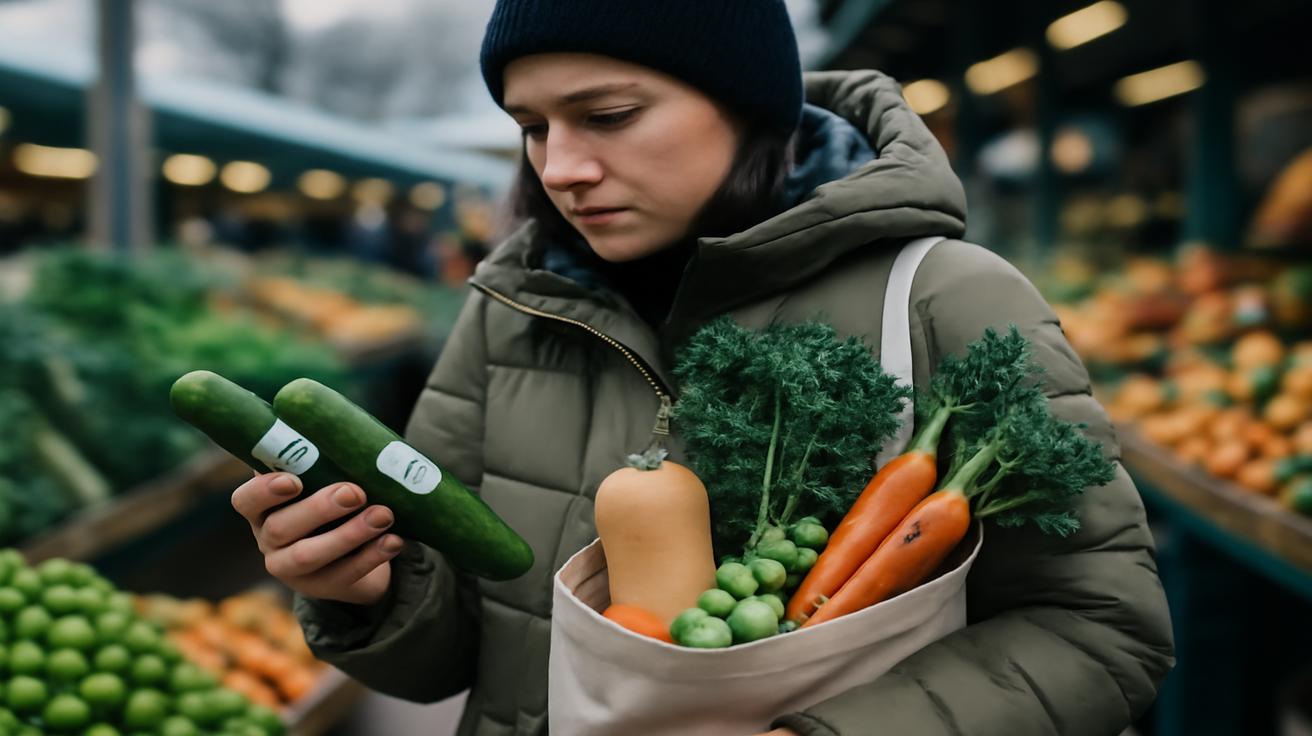
The first real cold snap of the season always seems to arrive overnight. One day you’re tossing ripe tomatoes into a salad; the next, you’re wrapping your fingers around a steaming mug, nose tingling from the brisk air sneaking in under the door. The farmers’ market looks different now—gone are the bursting berries and peaches, replaced by crates of potatoes, knobbly carrots still dusted with soil, and cabbages that feel heavy as bowling balls. This is the quiet season, the slow-cooking season, the time when your kitchen fills with the deep, earthy scents of winter. It’s also the time when choosing organic produce can feel tricky… and expensive.
You wander through the produce aisle or a winter market, eyeing those little organic labels. They promise cleaner food, fewer pesticides, better for the soil, better for you. But they also come with a higher price tag, and your winter grocery budget is already stretched by holiday plans and shorter work weeks. So how do you shop smarter this season—choosing organic when it really matters, building nourishing winter meals, and still saving money?
Let’s walk through the winter produce landscape together, like we’re pushing the same cart, wool hats on, breathing in that slightly sweet, earthy scent that only root vegetables seem to carry. Along the way, you might find that organic winter cooking is less about perfection and more about knowing where to spend, where to compromise, and how to let simple ingredients shine.
Know Your Winter All-Stars (and When Organic Matters Most)
Winter produce has a different kind of beauty than the bright parade of summer fruits. It’s subtle, sturdy, and built for storage: think roots, squashes, brassicas, and hardy greens. Many of these crops thrive in chilly air, and some actually taste sweeter after a frost. But when you’re trying to be selective about organic, it helps to understand how different vegetables are grown and how much pesticide residue they’re likely to carry.
Imagine your winter shopping list spread out on the kitchen table: apples, potatoes, onions, carrots, kale, cabbage, maybe a winter squash or two. You don’t have to buy everything organic to make a difference. Focus on the items that either get heavily sprayed, have edible skins, or are eaten often by you or your family.
In general, these winter items are smart organic priorities if your budget allows:
- Apples and pears – Their thin, edible skins can hold onto pesticide residues.
- Leafy greens like kale, chard, and spinach – Often more heavily treated and harder to wash completely.
- Potatoes – Frequently treated both in the field and during storage; you eat the whole thing, skin and all.
- Winter berries (if available frozen) – Organic frozen berries can be a good investment for smoothies and baking.
Meanwhile, there are resilient winter vegetables that are generally safer to buy conventional if you need to save:
- Onions and garlic – Strong natural defenses and papery layers mean lower residues.
- Cabbage – Tight leaves and cold-season growing conditions lower pest pressure.
- Winter squash (like butternut or acorn) – Thick skins shield the flesh you actually eat.
- Sweet potatoes – Often grown with fewer chemicals than their white cousins, though this can vary.
Think of it as a sliding scale, not a rulebook. When you can’t afford to go fully organic, choose organic for what you eat most often and what’s hardest to peel or wash clean. Let the sturdier, heavily shielded vegetables be your budget-friendly backbone.
Shop by Season, Not by Habit
Winter asks us to eat differently. The berries and stone fruits that once shouted from every shelf are either gone or imported from far away, their flavors muted and prices inflated. If you keep trying to eat like it’s July, your grocery bill will tell you very quickly that something’s off.
Instead, lean into what winter does best. Seasonal eating naturally nudges you toward more affordable choices, and that’s especially true with organic produce. When a crop is in season locally or regionally, it’s more abundant, cheaper, and often comes from smaller farms that prioritize soil health and fewer chemicals.
Picture yourself stepping into a winter market hall or the quieter, colder version of your local farmers’ market. You see:
- Heaps of root vegetables: carrots, parsnips, beets, rutabagas, turnips.
- Sturdy brassicas: cabbage, Brussels sprouts, broccoli, cauliflower.
- Hardy greens: kale, collards, spinach, Swiss chard.
- Winter squash: butternut, kabocha, acorn, spaghetti squash.
- Apples and pears that store well and keep their sweetness through the cold months.
These are your winter allies. Many of them are naturally budget-friendly, especially if you buy them loose rather than pre-packaged. When you’re choosing organic, seasonal produce is where you’ll often find the smallest price gap compared with conventional options. That’s where your dollar stretches the farthest.
Instead of building your meal plan around recipes first and ingredients second, try flipping it. Start with what’s in season, what’s on sale in the organic section, and what looks fresh—smooth-skinned squash, firm roots, crisp greens. Then let your meals emerge from that palette.
Build Your Winter “Go-To” Organic List
To make it easier, think about forming a personal, seasonal checklist. For winter, your “if I can, I buy it organic” list might look something like this:
- Apples for snacks and baking
- Leafy greens for soups, sautés, and smoothies
- Carrots for roasting and stews
- Potatoes for mashes, soups, and oven fries
Then, allow onions, garlic, cabbage, and squash to fill out your cart as lower-cost conventional items if needed. Over time, this becomes muscle memory—you’ll walk into the store knowing exactly where to focus your organic budget.
Stretch Every Organic Bite: Batch Cooking and Nose-to-Stem
The smell of roasting vegetables on a cold evening is one of winter’s quiet luxuries. Carrots caramelizing at the edges, onions turning sweet and golden, chunks of squash collapsing into soft, tender cubes. If you’re paying a little more for good organic produce, it makes sense to stretch those ingredients as far as they’ll go.
One of the simplest ways to save money while eating organic is to cook in batches. Rather than buying small amounts of many different vegetables, buy larger quantities of a few versatile organic staples—say, carrots, onions, potatoes, and kale—and let them carry you through several meals.
For example, buy a big bag of organic carrots and transform them over the week:
- Roast half the bag with olive oil, salt, and herbs for a side dish.
- Blend some of those roasted carrots into a silky soup with onions and stock.
- Slice raw carrots into sticks for snacks and lunchboxes.
- Grate a few into a winter salad with cabbage and an apple cider dressing.
Buying in bulk like this usually brings the per-pound cost down, and using the same vegetables in multiple forms taps into their full value. Each carrot, each potato, gets to tell more than one story.
Use the Whole Vegetable
Another little-known budget hero is nose-to-stem or root-to-leaf cooking. When you buy organic, throwing away edible parts is like composting your cash. Winter vegetables are full of hidden side dishes:
- Carrot tops can become a peppery pesto with garlic, oil, and nuts or seeds.
- Beet greens sauté beautifully with garlic and chili flakes, like a winter stand-in for spinach.
- Broccoli stems shaved thinly make a crunchy salad or slaw when tossed with lemon and oil.
- Leek greens add deep, oniony flavor to broths and stocks.
Saved trimmings—from organic onions, carrots, celery, and herbs—can be stored in a bag in the freezer. When the bag is full, simmer them into a fragrant stock that becomes the base for soups and stews. Suddenly, your spent ends and peels are giving you one more pot of warmth on a January night.
Farmers’ Markets, Co-ops, and Hidden Winter Deals
Winter markets feel different. The crowds thin, the air is sharper, and the produce stands shrink down to the hearty few who brave the wind with crates of roots and jars of preserved summer. It can be tempting to skip farmers’ markets entirely when the weather turns, but this is actually when organic bargains lurk in plain sight.
Local farms that grow organically or with low-spray methods still need to sell what the season gives them. Storage crops like potatoes, onions, carrots, and squash are often available in bulk at a lower price per pound than supermarket organics. If you have a cool pantry, basement, or even a chilly corner of your kitchen, you can store these for weeks or months.
Run your fingers along a crate of imperfect apples—some dented, some marked, all still crisp inside. Farmers may sell “seconds” or cosmetically flawed produce at a discount. For sauces, soups, and baking, these are gold. When you see a sign that says “soup mix” or “seconds,” you’ve found one of winter’s greatest shopping hacks.
If farmers’ markets aren’t nearby, look for:
- Food co-ops or community groceries that prioritize local, organic produce and often offer member discounts.
- CSA (Community Supported Agriculture) winter shares, where you pay upfront for a steady weekly box of produce.
- Store brands of organic produce in supermarkets; these are often cheaper than name-brand organics.
Ask questions, too. Farmers and staff often know which items are grown with fewer chemical inputs, even if they’re not fully certified organic. A cabbage grown without synthetic pesticides but not officially labeled may still be a step up from conventional, and often at a lower price.
Compare and Plan: A Simple Money-Saving Snapshot
It helps to see, at a glance, how shifting your choices can impact both cost and organic value. Here’s a simplified example you might encounter on a winter shopping trip:
| Item | Conventional Choice | Smarter Organic Swap | Budget Impact |
|---|---|---|---|
| Apples | Conventional apples | Organic apples | Spend a bit more where residues matter |
| Onions | Organic onions | Conventional onions | Save here; low-residue crop |
| Greens | Conventional kale | Organic kale | Worth the upgrade if you eat it often |
| Squash | Organic butternut squash | Conventional butternut squash | Thick skin = safer spot to save |
Small shifts—choosing organic where it matters most, conventional where it matters less—add up quietly, like snow on a windowsill, until you notice you’ve actually stayed within budget.
Frozen, Canned, and Stored: The Quiet Allies of Winter Organics
When you imagine organic produce, your mind might jump straight to just-picked, still-dewy vegetables in a wooden crate. But winter reminds us that fresh isn’t the only path to good, nutrient-rich food. Frozen, canned, and carefully stored produce can be both economical and deeply practical, especially when daylight is short and energy is low.
Frozen organic vegetables and fruits are often picked at peak ripeness, blanched, and frozen quickly. That means the bag of organic peas or spinach in your freezer may be just as nutritious—sometimes more so—than the tired-looking bunch on the shelf that’s traveled many miles.
Look for:
- Organic frozen spinach, kale, or mixed vegetables for soups, stews, and sautés.
- Organic frozen berries for oatmeal, yogurt, crumbles, or winter smoothies.
- Organic frozen broccoli or cauliflower for roasting or quick stir-fries.
Because frozen produce keeps for months, you can stock up when it’s on sale, smoothing out your costs over the entire season. A few bags in the freezer transform into countless winter meals.
Canned organic tomatoes—whole, diced, crushed, or in sauce form—are another winter hero. Summer’s sunshine is preserved in those jars and cans, ready to become the base of soups, pasta sauces, braises, and stews. Often, the cost per serving is lower than trying to buy fresh, out-of-season organic tomatoes in winter.
And then there’s storage: if you can stock up in late autumn on organic potatoes, onions, garlic, apples, and squash when prices are lower, you create your own little pantry reserve. Line them up somewhere dark and cool, and they’ll wait patiently, week after week, while you eat through your winter meal plans.
Simple Winter Meal Ideas That Respect Your Budget
Once your pantry and freezer are stocked smartly, winter meals almost write themselves. Here are a few flexible, budget-conscious ideas that pair beautifully with strategic organic choices:
- Roasted Root Trays: Toss organic carrots and potatoes with conventional onions and squash, roast until browned, and serve with a drizzle of yogurt or tahini.
- Big Pot of Winter Soup: Use organic greens, carrots, and canned tomatoes with lentils or beans. Freeze extra portions for future lunches.
- Cabbage and Apple Skillet: Sauté conventional cabbage with organic apples, onions, and a splash of vinegar for a tangy, sweet side.
- Warm Grain Bowls: Layer cooked grains with roasted organic vegetables, a handful of frozen organic greens, and a simple lemon-garlic sauce.
Each of these ideas bends to what you find on sale or already have at home. They’re less about recipes and more about a relaxed, winter rhythm in the kitchen.
Trust Your Senses, Not Just the Label
As you get used to choosing organic when you can, winter also invites you to tune into something quieter than certifications: your own senses. Pick up that cabbage—does it feel heavy for its size? Do the outer leaves squeak slightly under your fingers, signaling freshness? Does the bunch of kale stand upright and crisp, or droop sadly in your hand?
Organic or not, produce that looks lively, firm, and brightly colored is your friend. Bruised, limp, or dull vegetables won’t reward you at the table, and they certainly won’t help you stretch your grocery budget if you end up composting half of what you buy. Choosing fewer, better pieces of produce—those that you’re sure you’ll cook and enjoy—can save more money than simply chasing the lowest price per pound.
And when in doubt, keep it simple. A pot of organic potatoes simmered until tender and mashed with butter and salt. A tray of carrots and onions roasted until sweet. A handful of crisp apples sliced into thick wedges. Winter cooking doesn’t need to be complicated to feel abundant.
In the end, choosing organic produce for your winter meals isn’t about perfection or purity. It’s about gentle priorities: leaning into the season, focusing your organic dollars where they matter most, and transforming humble ingredients into bowls and plates of real comfort. As the wind rattles the windows and the early dark folds around your house, you might find that the quiet satisfaction of cooking this way—thoughtful, resourceful, rooted in the season—feels like its own kind of warmth.
Frequently Asked Questions
Is it really worth buying organic in winter when produce is limited?
It can be. Winter is actually a great time to be selective and strategic with organic choices. Because the variety is smaller, you can focus your budget on a few key items—like apples, potatoes, and leafy greens—where organic tends to make the most difference, and buy sturdier items like onions, cabbage, and winter squash conventional if needed.
What winter vegetables should I prioritize buying organic?
Good priorities include apples, pears, leafy greens (kale, spinach, chard), potatoes, and frequently eaten root vegetables like carrots. These are either more likely to have pesticide residues or are foods you might eat regularly, so the benefits of going organic can add up over time.
Can I still eat well on a tight budget if I buy some organic produce?
Yes. Build meals around affordable staples like beans, lentils, grains, and seasonal vegetables. Then, layer in a few carefully chosen organic items. Buying in bulk, using frozen organics, and cooking big batches all help you enjoy organic produce without overspending.
Are frozen organic vegetables as healthy as fresh?
Often they are just as healthy, and sometimes more so. Frozen organic vegetables are usually picked at peak ripeness and quickly frozen, which helps lock in nutrients. In winter, when “fresh” produce may have traveled long distances, frozen organics can be a very smart and economical choice.
How can I keep winter produce from going bad before I use it?
Store each item properly: keep potatoes, onions, and squash in a cool, dark, dry place; refrigerate leafy greens in breathable bags or containers with a towel to absorb moisture; and don’t wash vegetables until you’re ready to use them. Plan meals around what spoils fastest—greens first, storage crops later—so you waste less and save more.