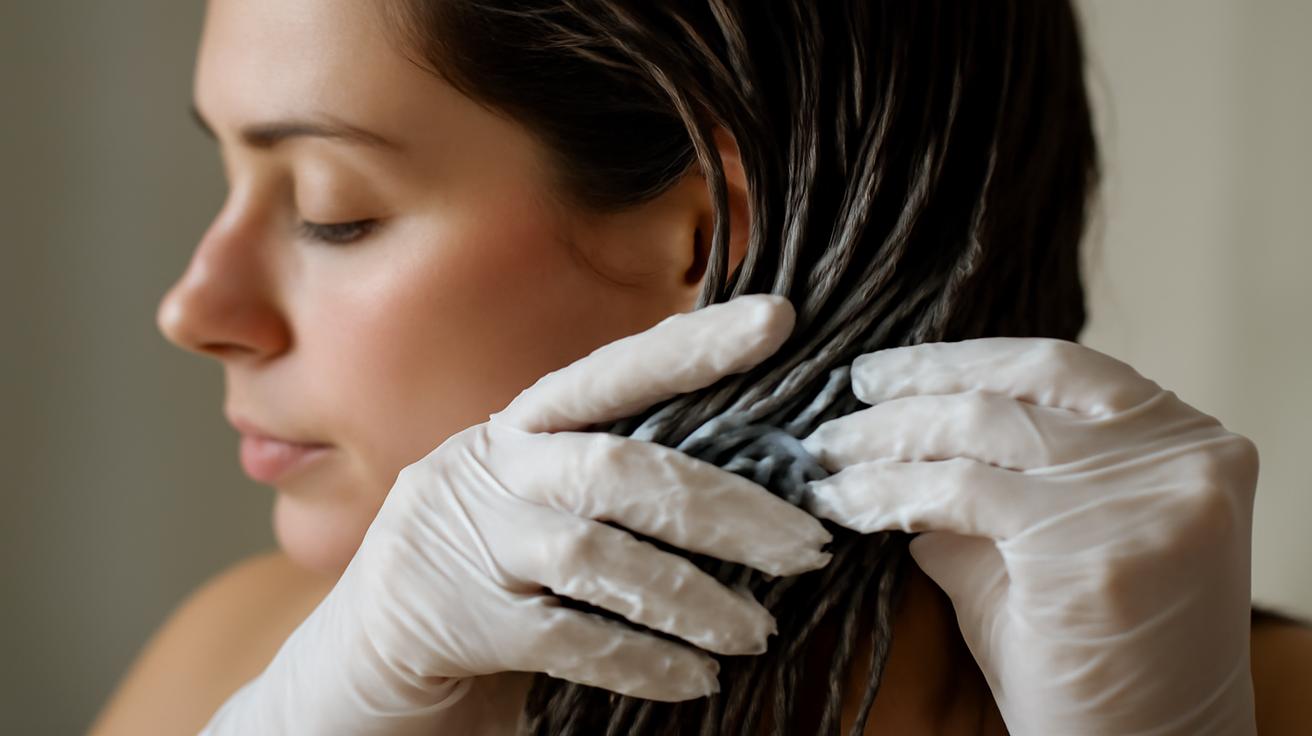
The first time I tried the rice mask, it was a rainy Sunday, the kind that makes the whole world smell like wet soil and second chances. My hair, on the other hand, smelled like product build-up and disappointment. It hung around my shoulders in limp, dull strands—more like a tired curtain than anything that wanted to move, shine, or catch the light. I’d tried the fancy bottles, the salon splurges, the “miracle” serums with names I couldn’t pronounce. My wallet felt lighter every month. My hair did not. Then I remembered a story my grandmother used to tell about village women rinsing their hair in milky rice water, their braids so glossy they looked painted on. It sounded like a myth—until the day I decided to turn a cup of leftover rice into a small experiment in my kitchen… and everything changed.
The Quiet Magic Hiding in Your Pantry
There’s something almost rebellious about turning to your pantry instead of the beauty aisle. While advertisements shout about patented complexes and salon technology, a humble bowl of rice sits silently in your cupboard, holding centuries of tradition and a surprising amount of science.
Rice—particularly when soaked or gently boiled—releases a cloudy, starchy liquid rich in amino acids, antioxidants, vitamins B and E, and a compound you might have heard about: inositol. Inositol is known for its ability to help strengthen hair, reduce friction, and even help protect it from future damage. If you’ve ever run your fingers through your hair and felt it snag, tangle, or roughen at the ends, you’re feeling the absence of that smooth, protective slip that healthy hair usually has.
Rice water—and even more, a slightly thicker rice mask—acts like a soft-focus filter for your strands. It doesn’t coat your hair in heavy silicone or artificial shine. Instead, it fills in the tiny cracks along the hair shaft, making each strand lie flatter, smoother, and more reflective. Whether you have curls that have lost their bounce, straight hair that looks dusty and tired, or waves that feel like frizz in disguise, this simple kitchen ritual can offer a gentle reset.
What makes it especially appealing is its price tag: you’re not paying for a brand name, a box, or an ad campaign—just the same rice you might eat for dinner. Somehow, that makes every spoonful feel even more luxurious, as if you’re borrowing a beauty secret from the past and slipping it quietly into your modern life.
The Kitchen Ritual: Crafting Your Miracle Rice Mask
There’s a special kind of calm that comes from turning a beauty routine into a ritual. The sound of water running from the tap. The clink of a spoon against a glass bowl. The gentle steam curling up as rice softens and releases its milky essence. Making a rice hair mask is not only simple—it’s oddly satisfying.
Step-by-Step: From Rice to Radiance
Here’s a straightforward way to create your own rice mask at home. No complicated measurements, no lab equipment, just you, your kitchen, and a little patience.
You’ll need:
- 1/2 cup uncooked white rice (jasmine, basmati, or plain long-grain all work)
- 1–1.5 cups water
- A small pot
- A strainer
- A bowl
- Optional: 1–2 tablespoons aloe gel or plain yogurt, and a few drops of a light oil (like argan, grapeseed, or jojoba)
How to make it:
- Rinse the rice once under cold water to remove excess dust and starch. You don’t need it super clean; a little cloudiness is what we want.
- Add the rice and water to a small pot. Bring it to a very gentle simmer over low heat. You’re not cooking it for dinner—you’re coaxing out its goodness.
- Stir occasionally. After about 10–15 minutes, the water should turn cloudy and slightly thick, like thin cream. The rice itself will soften.
- Strain the rice, catching the milky water in a bowl. Don’t pour it down the sink—that’s your liquid gold.
- For a more mask-like texture, you can:
- Mash a few spoonfuls of the softened rice into a smooth paste and mix it back into the liquid, or
- Let the rice water cool, then stir in aloe or yogurt and a few drops of oil until it feels like a light, silky lotion.
What you end up with is a velvety, pale mask that feels cool and quietly luxurious between your fingers. It doesn’t smell like perfume from a bottle—more like warm grain and clean laundry, with a subtle, earthy comfort.
How to Use It on Your Hair
Using the mask is as soothing as making it:
- Wash your hair as usual with a mild shampoo. Gently squeeze out excess water—your hair should be damp, not dripping.
- Starting from your mid-lengths and ends, smooth the rice mask through your hair. If your scalp gets oily quickly, keep it mostly on the lengths. If your scalp feels dry or fragile, you can massage a small amount there too.
- Comb through with your fingers or a wide-tooth comb to distribute it evenly.
- Clip your hair up and let the mask sit for 10–20 minutes. Use this time to make tea, read a page or two of a book, or just listen to the water whispering in your pipes.
- Rinse thoroughly with lukewarm water. You can follow with a light conditioner if your hair tends to be dry, or skip it and see how your hair feels first.
As your hair dries, you might notice something subtle at first: less roughness under your fingers, less snagging when you run a comb through, a softer fall over your shoulders. Then, when you catch your reflection in good light, the shine shows up—quiet, honest, and surprisingly bright.
Shine on a Shoestring: Cost vs. Salon Treatments
Beauty marketing often whispers (or shouts) the same message: better hair costs big money. Salon gloss treatments, keratin sessions, high-end masks with shimmering packaging—it all adds up. But how does our bowl-of-rice miracle actually stack up in terms of cost and practicality?
| Option | Approx. Cost per Use | Main Benefits | Drawbacks |
|---|---|---|---|
| Homemade Rice Mask | Very low (a fraction of a bag of rice) | Boosts shine, smooths texture, gentle, customizable | Takes a little time to prepare, short shelf life |
| Salon Gloss Treatment | High (varies, but often significant) | Instant high-impact shine, professional application | Costly, may use stronger chemicals, results fade |
| Store-Bought Hair Mask | Low to medium | Convenient, no prep, consistent formula | Often contains silicones and fragrances, can build up over time |
When you break it down like this, the rice mask feels less like a compromise and more like a quiet victory. It won’t replace every product on your bathroom shelf, but it can easily become one of your most reliable, low-cost allies. Instead of saving up for shine, you’re scooping it out of a bowl you made yourself, in a kitchen that already smells like home.
Tailoring the Mask to Your Hair Type
One of the secret strengths of a homemade treatment is that it’s infinitely adjustable. Your hair isn’t generic, so your mask doesn’t have to be either. The same base—rice and water—can be tuned to suit different textures, needs, and moods.
If Your Hair Is Dry or Coarse
Dry or coarse hair usually craves richness and slip. For this type, you can make your rice mask creamier and more nurturing:
- Add 1–2 tablespoons of plain yogurt for extra moisture and softness.
- Stir in a teaspoon of a nourishing oil like coconut, olive, or sweet almond (if your hair loves heavier oils).
- Leave the mask on the longer side of the spectrum—around 20 minutes—before rinsing thoroughly.
The result? Hair that feels less like straw and more like fabric—smooth, pliable, and easier to brush without that dreaded snapping sound.
If Your Hair Is Fine or Gets Oily Fast
If your hair flattens at the slightest hint of product, you’ll want to keep things lighter:
- Use mostly rice water with just a small amount of mashed rice for texture.
- Skip heavy oils; if you must add some, choose just a few drops of a very light oil like grapeseed or argan.
- Focus the mask on your mid-lengths and ends, avoiding the scalp if it’s prone to oiliness.
- Limit the leave-on time to 10–15 minutes.
You’ll still get the shine and smoothness, but without that weighed-down, second-day look that fine hair fears.
If Your Hair Is Curly, Wavy, or Coily
Curls and coils are naturally porous—they drink in moisture but can also lose it quickly. Rice masks can help create a smoother surface, making curls clump more neatly and shine more evenly:
- Make a medium-thick mask: rice water plus some mashed rice for body.
- Consider adding aloe gel for slip and definition.
- Apply in sections, gently scrunching the mask into your curls.
- Rinse carefully, then follow with your usual leave-in conditioner or curl cream if needed.
The goal isn’t to “tame” your curls but to let them express themselves with less frizz and more glow—like the same song, but in clearer sound.
Building a Simple, Shine-Friendly Routine
Even the best mask can only do so much if the rest of your routine is working against it. Think of the rice mask as a spotlight: it shows off what’s there. Pairing it with a few gentle habits can turn your occasional miracle treatment into part of a longer, kinder conversation with your hair.
Small Habits, Big Difference
- Ease up on heat: Try to reduce how often you use straighteners or curling irons. When you do, use a heat protectant and the lowest effective setting.
- Switch to gentle washing: If your shampoo leaves your hair squeaky and your scalp tight, it may be too harsh. Look for gentler formulas or wash slightly less frequently if your lifestyle allows.
- Mind the towel: Instead of rough rubbing, blot and squeeze with a soft cotton T-shirt or microfiber towel. Your cuticles will thank you.
- Regular trimming: You don’t need a drastic cut, but a tiny trim every couple of months keeps split ends from dulling your overall look.
Use the rice mask once a week to start, then adjust. If your hair is very damaged, it may love weekly treatments. If it’s fairly healthy but a little lackluster, once every two weeks might be enough to keep that quiet, glassy shine alive.
When the Shine Sneaks Up on You
There’s a particular kind of joy that comes from catching your reflection unexpectedly and liking what you see—when you’re not dressed up, not trying, not thinking about it. Maybe it happens in the dark screen of your laptop, the window of a café, or a bathroom mirror at work. Your hair tilts toward the light and, just for a second, you see it: a clearer, softer gleam where dullness used to live.
It’s tempting to give all the credit to the mask, to that steaming bowl in your kitchen and the inositol quietly weaving strength into your strands. And yes, the mask helps. But there’s another change happening, just as real: you’re deciding that care doesn’t have to come in expensive packaging. You’re learning to believe that your hair—exactly as it grows from your head—is worthy of time, gentleness, and attention.
On another rainy Sunday, perhaps a few weeks from now, you might find yourself standing over the stove again, stirring rice, watching the water cloud and thicken. The kitchen will fill with that soft, starchy scent. Your hands will remember the motions. You’ll carry the bowl to the bathroom, spread the cool mask through your hair, and feel the simple luxury of doing something kind for yourself that doesn’t ask your bank account for permission.
And when your hair dries this time, swinging with a little extra light as you move, you’ll know: the miracle wasn’t just in the rice. It was in choosing a gentler, simpler kind of magic—and realizing it was within reach all along.
Frequently Asked Questions
How often should I use a rice hair mask?
Most people do well using a rice mask once a week. If your hair is very damaged or dry, you can try once every 5–7 days. If it starts to feel stiff or overloaded, cut back to once every two weeks.
Can I store leftover rice mask for later?
You can store leftover rice water or mask in an airtight container in the refrigerator for up to 3–4 days. Always smell and check the texture before using; if it smells sour or looks unusual, discard it and make a fresh batch.
Will rice masks work on colored or chemically treated hair?
Rice masks are usually gentle and can be helpful for colored or chemically treated hair, which often needs extra strengthening and smoothing. Always do a small patch test first, and avoid very long soaking times if your hair feels fragile.
Can rice water or rice masks cause protein overload?
Rice contains amino acids, which can have a strengthening effect, but it’s not as intense as pure protein treatments. Still, if your hair starts to feel stiff, straw-like, or brittle, reduce how often you use the mask and balance it with more moisturizing treatments.
Do I have to rinse the rice mask out completely?
Yes, rice masks should be rinsed out thoroughly. Leaving them in can lead to stiffness or build-up over time. Rinse with lukewarm water until your hair feels clean and smooth, not slippery or coated.
Is there a best type of rice to use?
Plain white rice (like jasmine, basmati, or long-grain) works well and is easy to find. Some people like using brown rice or other varieties for extra nutrients, but the differences are subtle. Start with whatever you have at home.
Can I skip shampoo and use the rice mask alone?
For most hair types, it’s best to shampoo first. Clean hair allows the rice mask to work more effectively, and you avoid sealing in dirt, oil, or product build-up under the treatment.
How long until I see results?
Many people notice extra softness or shine after the first use. For deeper improvements—like smoother texture and less breakage—consistent use over several weeks makes the biggest difference.