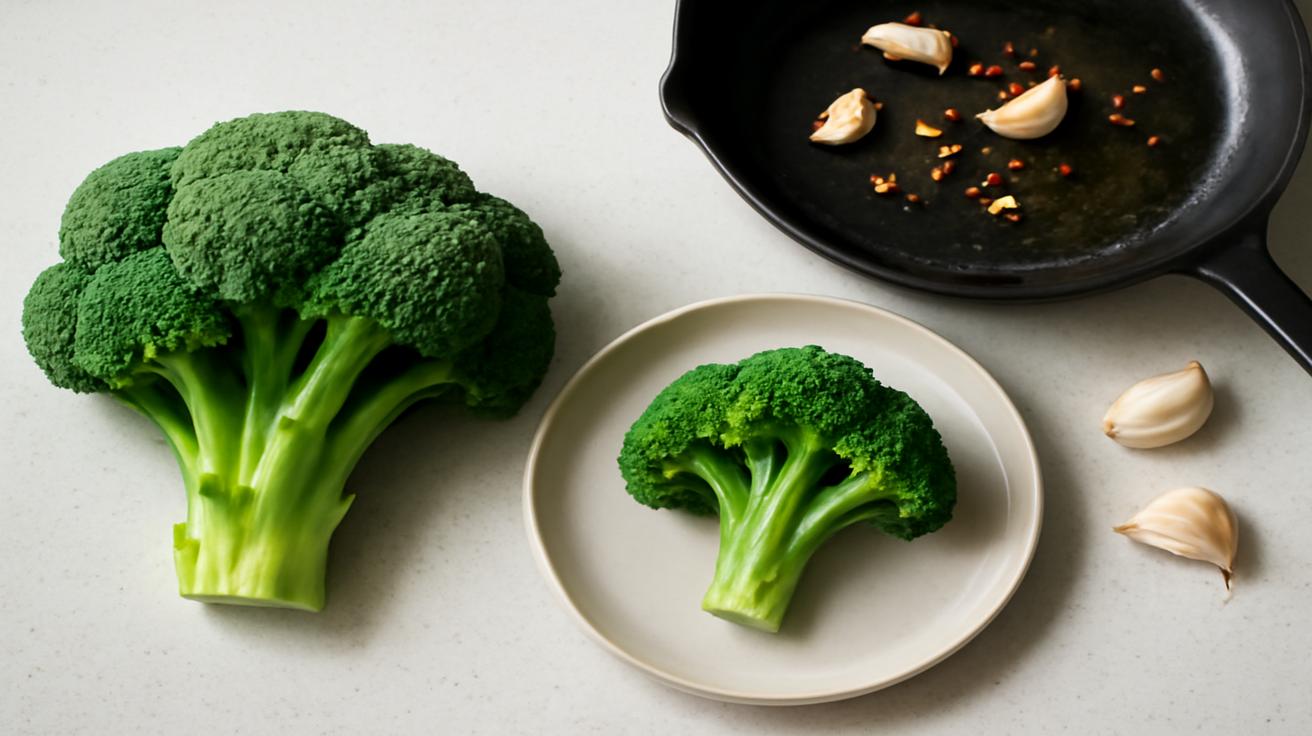
The broccoli arrived in a paper bag still cool from the morning air, beads of dew clinging to the florets like tiny crystals. I tore it open at the kitchen counter, breathing in that faintly sweet, green scent that always makes me think of wet fields and early light. For years I would have done what many of us do without thinking—set up the steamer basket, turned on the heat, and let the stalks soften into polite submission. But today, the steamer stayed in the cupboard. Because if there’s one thing modern nutrition science and a few simple kitchen experiments have made clear, it’s this: steaming, long considered the “healthy” way to cook vegetables, might not be the hero we thought it was—at least not for broccoli.
Why You Might Want to Break Up with Steaming
Steaming feels virtuous. No oil, gentle heat, bright color… what could be wrong with that? The trouble is, broccoli’s greatest gifts—its vitamins, minerals, and those powerful plant compounds that help protect our cells—are more fragile than they look.
Inside each miniature tree of broccoli are compounds called glucosinolates. When we chop or chew the florets, an enzyme named myrosinase helps transform these into sulforaphane and related molecules, famous for their anti-inflammatory and potentially anti-cancer properties. Vitamins like vitamin C and folate hide out in those same crisp stems and budded tops, ready to help your immune system, nerves, and energy metabolism.
High, sustained heat and lots of water can chip away at all of that goodness. Boiling is the worst offender, washing water-soluble nutrients right down the drain. Steaming is better, but long steaming times still let heat gradually dismantle delicate compounds. The longer broccoli sits there, trapped in hot vapor, the more its nutrients quietly leak away, and the more it slumps into that over-soft, army-green version of itself we’ve all pushed around a plate at some point.
Scientists have been quietly investigating this in labs while home cooks go on steaming. Repeated studies show that the way we cook broccoli can dramatically change what’s left inside by the time the fork reaches our mouths. So if we’re going to eat it—and might even be learning to love it—why not get the full benefit?
The Surprise Champion: Gentle Stir-Frying
When researchers compared different cooking methods—boiling, steaming, microwaving, stir-frying—one contender consistently came out on top for broccoli: quick, gentle stir-frying with a small amount of oil.
At first that sounds almost wrong. Isn’t oil supposed to be the enemy of “healthy” cooking? Not when you use it thoughtfully. A thin slick of oil in a hot pan can actually be broccoli’s best friend. You get three quiet wins at once:
- Shorter cooking time: High direct heat means the broccoli cooks fast, spending less time exposed to nutrient-damaging temperatures.
- Less water contact: Without a pot of boiling water or a steam bath, water-soluble vitamins are less likely to escape.
- Better absorption of fat-soluble nutrients: Broccoli carries vitamins K and small amounts of carotenoids, which your body absorbs more easily when you eat them with fat. That drizzle of olive or avocado oil becomes a vehicle, not a villain.
Done well, stir-fried broccoli isn’t soggy or greasy. It comes out tender at the stems, crisp at the tips, and flecked with little charred, nutty-tasting edges. Bite into it and there’s still some snap, a little squeak between your teeth, and that deep, grassy sweetness that only appears when the natural sugars caramelize just slightly.
How to Stir-Fry Broccoli for Maximum Nutrients
The method is simple, but there are a few quiet rules that make all the difference:
- Cut with purpose: Slice florets into bite-sized pieces and don’t toss the stems. Peel the tough outer layer of the stems and slice them into thin coins or matchsticks. Smaller pieces cook faster and more evenly.
- Blanch briefly (optional but powerful): For the very best texture and color, drop the cut broccoli into boiling water for 30–60 seconds, just until it turns a vivid, almost neon green. Scoop it straight into a bowl of ice water to stop the cooking. Drain very well. This step locks in color and softens the stems just enough without significant nutrient loss.
- Use high heat, short time: Heat a pan or wok until very hot, add 1–2 tablespoons of oil, then add the broccoli. Stir or toss constantly for 3–5 minutes, depending on how crisp you like it.
- Season at the end: Add garlic, lemon juice, soy sauce, or spices in the last minute of cooking so they stay bright and don’t burn.
What you’re aiming for is that magical middle ground: no raw crunch that fights your molars, no limp surrender either. Just a tender-crisp bite, bright color, and the feeling that you’re eating something alive, not exhausted.
Other Cooking Methods: How Do They Stack Up?
If stir-frying is the new star, where does that leave your other kitchen habits? Here’s a snapshot comparison so you can see how your go-to method measures up when it comes to nutrient retention, flavor, and texture.
| Method | Nutrient Retention | Texture & Flavor | Best Use |
|---|---|---|---|
| Boiling | Lowest (vitamins leach into water) | Soft, often mushy, milder taste | Soups where you use the cooking liquid |
| Long Steaming | Better than boiling but declines with time | Very soft, can turn dull green | Gentle cooking for very soft textures |
| Microwaving | Good if little water and short time | Can be tender-crisp if not overdone | Fast weekday meals, meal prep |
| Roasting | Good for many nutrients if not burned | Caramelized, nutty, crispy edges | Side dishes, sheet-pan dinners |
| Quick Stir-Frying | Among the best for vitamins & beneficial compounds | Tender-crisp, bright, lightly charred | Everyday cooking, nutrient-focused meals |
Think of it this way: water is both friend and thief. Whenever broccoli spends a long time in or above water, vitamins like C and B-group start slipping away. Dry or low-water methods—especially fast ones—give those nutrients a better chance of staying put.
A Simple Everyday Stir-Fried Broccoli You’ll Actually Crave
Picture a pan sputtering softly on the stove, garlic hitting the hot oil with a scent that instantly smells like home. You toss in vivid green broccoli, watch it flash from matte to glossy, listen as it snaps against the metal. In less than ten minutes, you’ve taken a bundle of raw stalks and turned them into something bright, deeply flavored, and good for your body in ways you can’t see but absolutely can feel over time.
Everyday Garlic-Lemon Stir-Fried Broccoli
Serves: 2–3 as a side
Ingredients:
- 1 large head of broccoli (or about 3 cups florets and sliced stems)
- 1–2 tablespoons extra-virgin olive oil or avocado oil
- 2 cloves garlic, thinly sliced
- Pinch of red pepper flakes (optional)
- Salt, to taste
- Freshly ground black pepper
- Juice of 1/2 lemon
- Optional: grated Parmesan or toasted nuts/seeds for topping
Method:
- Cut the florets into small, even pieces. Peel the thick stems and slice them into thin coins.
- (Optional) Bring a pot of water to a boil, drop in the broccoli for 45 seconds, then drain and rinse under cold water. Pat dry.
- Heat a large skillet or wok over medium-high heat until hot. Add the oil and swirl to coat.
- Add the broccoli stems first, stir-fry for about 1 minute, then add the florets. Cook, stirring often, for 3–4 minutes, until the stems are just tender and the florets bright and slightly charred in spots.
- Push the broccoli to one side, add the garlic (and red pepper flakes if using) to the empty space, and let it sizzle for 20–30 seconds until fragrant but not brown.
- Toss everything together, season with salt and pepper, and cook for another 30 seconds.
- Turn off the heat and squeeze lemon juice over the top. Taste and adjust seasoning. Add Parmesan or nuts if you like a little richness and crunch.
The result is a bowl of broccoli that tastes like it belongs at the center of the plate, not just as an obligatory green side. The lemon brightens, the garlic warms, and the oil carries flavor to every corner of each floret.
Beyond the Side Dish: Easy Broccoli Recipes to Put on Repeat
Once you’ve nailed the basic stir-fry, broccoli becomes a shape-shifter. It slides into bowls and wraps and pastas, gathering up other flavors without ever fading into the background. These recipes keep the same nutrient-preserving principles—short heat, minimal water—but give you new ways to invite broccoli into your week.
One-Pan Broccoli, Chickpea & Tahini Bowl
Serves: 2
Why it works: The broccoli is quickly pan-seared; chickpeas bring protein and fiber; tahini adds healthy fats that help your body absorb fat-soluble nutrients from the broccoli.
Ingredients:
- 1 head broccoli, cut into florets and sliced stems
- 2 tablespoons olive oil
- 1 teaspoon ground cumin
- Salt and pepper
- 2 tablespoons tahini
- Juice of 1 lemon
- 2–3 tablespoons water (for thinning sauce)
- Cooked quinoa, rice, or your favorite grain (for serving)
li>1 can chickpeas, drained and rinsed
Method:
- Heat 1 tablespoon oil in a large pan over medium-high heat. Add broccoli and cook for 4–5 minutes, stirring occasionally, until tender-crisp and slightly charred.
- Add the chickpeas, remaining oil, cumin, salt, and pepper. Cook for another 2–3 minutes, just to warm the chickpeas and coat everything in spices.
- In a small bowl, whisk tahini, lemon juice, and enough water to make a pourable sauce. Season with a pinch of salt.
- Serve the broccoli and chickpeas over warm grains, drizzle with tahini sauce, and eat while everything is still steaming gently in the bowl.
Quick Broccoli & Egg Skillet
Serves: 1–2
Why it works: This is breakfast, lunch, or dinner in one pan. The eggs add high-quality protein and fats; the broccoli brings fiber and micronutrients; the cooking is fast enough to keep nutrients intact.
Ingredients:
- 1 cup small broccoli florets (stems thinly sliced)
- 1 tablespoon oil or a mix of oil and butter
- 2–3 eggs
- Salt, pepper
- Pinch of chili flakes or herbs (like thyme or oregano), optional
Method:
- Heat the oil in a small skillet over medium-high heat.
- Add the broccoli and a pinch of salt, stir-fry for 3–4 minutes until bright green and just tender.
- Reduce heat to medium. Make small spaces between the broccoli and crack in the eggs.
- Cover with a lid and cook until the egg whites are set and the yolks are cooked to your liking, 3–5 minutes.
- Season with pepper and herbs or chili flakes. Eat straight from the pan with bread, or slide onto a plate.
Five-Minute Sesame Broccoli for Busy Nights
Serves: 2
Why it works: Minimal ingredients, almost no prep, and a salty-sweet glaze that clings to every branch of the florets.
Ingredients:
- 3 cups broccoli florets
- 1 tablespoon neutral oil (like grapeseed or sunflower)
- 1 tablespoon soy sauce or tamari
- 1 teaspoon honey or maple syrup
- 1 teaspoon toasted sesame oil
- 1 tablespoon sesame seeds
Method:
- Heat a large pan over high heat. Add neutral oil, then broccoli.
- Stir-fry for 3–4 minutes until crisp-tender.
- Stir together soy sauce and honey. Pour over the broccoli, toss for 30–60 seconds until glossy.
- Turn off the heat, drizzle with sesame oil, and sprinkle with sesame seeds before serving.
How to Store, Prep, and Pair Broccoli for the Most Benefit
The story of nutrient-rich broccoli doesn’t start at the stove. It begins in how you bring it home, how you store it, and even what you eat it with.
- Buy it fresh and firm: Look for tight, dark green florets and sturdy stems. Yellowing buds or floppy stems mean it’s past its nutrient prime.
- Store it dry: Moisture invites mold and degradation. Wrap broccoli loosely in a reusable produce bag or a perforated plastic bag in the fridge. Don’t wash until you’re ready to cook.
- Chop ahead, cook later: Interestingly, when you chop broccoli and let it sit for about 30–40 minutes before cooking, you give the myrosinase enzyme more time to form beneficial compounds like sulforaphane. So, pre-chopping in the morning for an evening stir-fry can be a quiet nutrition upgrade.
- Pair with the right foods: Foods with healthy fats (olive oil, avocado, nuts, seeds) and a bit of acidity (lemon juice, vinegar) help your body absorb and enjoy more of what broccoli offers. A sprinkle of mustard powder over cooked broccoli can even help restore some sulforaphane if cooking has inactivated the natural enzyme.
In the end, the goal isn’t to treat broccoli like fragile glass. It’s to understand its quirks well enough that, with a few smart moves, you coax more nutrition and more pleasure from every stalk.
Goodbye Steaming, Hello Flavor
None of this means you must ban steamers from your kitchen forever. If you love lightly steamed broccoli and you cook it for just a few minutes until it’s bright green and crisp-tender, you’re still doing quite well. But the unquestioned habit of long, soft steaming—the kind that turns broccoli into something kids instinctively distrust—deserves a gentle goodbye.
In its place, you get the hiss of a hot pan, the shimmer of a little oil, the quick alchemy of heat that transforms firm, pale stalks into something greater than the sum of its parts. You get broccoli that tastes like itself, only more so: greener, sweeter, more alive. And along with that, you keep closer hold of the vitamins, minerals, and plant compounds that drew you to it in the first place.
The next time you bring home a head of broccoli, try leaving the steamer on the shelf. Slice, sizzle, toss. Listen to the sound it makes in the pan, breathe in the scent of garlic and lemon riding the steam. Then sit down with your plate and feel, bite by bright, tender bite, that you’re not just eating your vegetables—you’re finally letting them be as good as they were meant to be.
Frequently Asked Questions
Is stir-frying always better than steaming for broccoli?
Not always, but often. Quick stir-frying with a small amount of oil and no added water tends to preserve more vitamins and beneficial plant compounds than long steaming. Very brief steaming (just a few minutes) can also be a good option, especially if you prefer a softer texture, but avoid overcooking.
Do I lose nutrients if I roast broccoli?
Roasting can preserve many nutrients while adding great flavor, especially if you keep the temperature moderate and avoid charring. Some heat-sensitive vitamins will diminish, but the shorter roasting times and lack of water loss mean you still get a lot of nutritional value, plus you eat more of it because it tastes so good.
Is microwaving broccoli healthy?
Yes, microwaving can be a surprisingly gentle method if you use minimal water and short cooking times. Over-microwaving with lots of water can cause similar nutrient losses as boiling, so aim for just-tender broccoli and drain off any excess liquid.
Should I eat broccoli raw instead?
Raw broccoli does preserve certain heat-sensitive compounds, including some vitamin C and myrosinase activity, but it can be harder to digest for some people. Light cooking, such as quick stir-frying or brief steaming, can make broccoli easier on the stomach while still retaining many nutrients. A mix of raw and lightly cooked broccoli in your diet is a good balance.
Does cutting broccoli in advance really help with nutrients?
Yes. Cutting broccoli and letting it rest for 30–40 minutes before cooking allows the myrosinase enzyme to convert more glucosinolates into beneficial compounds like sulforaphane. After this resting period, a quick cook method like stir-frying helps keep those compounds around.
How can I make broccoli taste good for picky eaters?
Focus on texture and flavor layering. Use quick stir-frying or roasting for crisp-tender bites, add familiar flavors like garlic, lemon, cheese, soy sauce, or a touch of honey, and don’t overcook. Serving broccoli in bowls, pastas, or egg dishes alongside favorite foods can make it less intimidating and more inviting.